
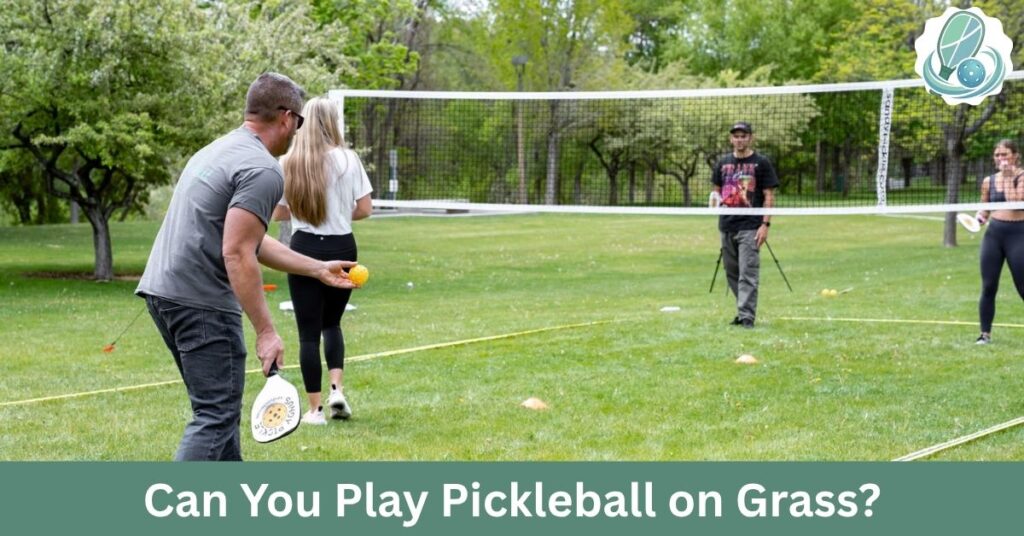
Pickleball has exploded in popularity over recent years, attracting players of all ages and skill levels. Its simple rules and smaller court size make it easy to start, and you don’t need a fancy facility to enjoy a good match. But what if you don’t have access to a proper court? Many people wonder: Can you play pickleball on grass? The answer is not as straightforward as you might think. Let’s explore what happens when you bring pickleball to your backyard lawn, the pros and cons, and what you should know before rallying on the green.
The Basics Of Pickleball
To understand if pickleball on grass is possible, it helps to know the basics of the game. Pickleball is played with a perforated plastic ball (similar to a wiffle ball) and paddles on a court that measures 20 feet wide by 44 feet long. The net is slightly lower than a tennis net, and the game can be played in singles or doubles.
Traditional courts are made of hard, flat surfaces—like concrete, asphalt, or gym floors. These surfaces allow for predictable ball bounce, which is essential for fair play and technique.
Why People Consider Playing Pickleball On Grass
Not everyone has a community center or sports club nearby. For many, the most convenient place is their backyard, especially if it’s spacious. Setting up a pickleball court on grass is a tempting idea if you want to enjoy the sport with friends and family at home.
Here are some common reasons people try pickleball on grass:
- Convenience: No need to drive to a sports complex.
- Cost: Grass is free and available for most homeowners.
- Fun: Casual games don’t always need strict rules or perfect courts.
- Family time: Backyard games are great for kids and beginners.
But as you’ll see, playing on grass is not as easy as simply setting up a net.
How Does Grass Affect The Game?
Grass is soft, uneven, and unpredictable. Unlike hard courts, grass can have bumps, dips, and patches that make the ball bounce differently every time. Here’s how it affects the game:
- Bounce: The pickleball often won’t bounce at all or will bounce very low, making rallies harder.
- Speed: The ball moves more slowly on grass and may stop quickly.
- Footing: Players might slip, especially if the grass is wet.
- Paddle Control: Because the bounce is low or unpredictable, you’ll have to adjust your swing constantly.
- Game Rules: Many official rules (like the double-bounce rule) don’t work the same way on grass.
In short, pickleball on grass feels very different from traditional play.
Is It Officially Allowed?
If you’re thinking about tournaments or league play, grass is not recognized as an official surface. The USA Pickleball Association only approves hard, flat surfaces for official matches. Playing on grass is considered casual or recreational.
However, nothing stops you from enjoying the game at home. Many people play “backyard pickleball” with family, using modified rules to make it fun and fair.

Credit: www.reddit.com
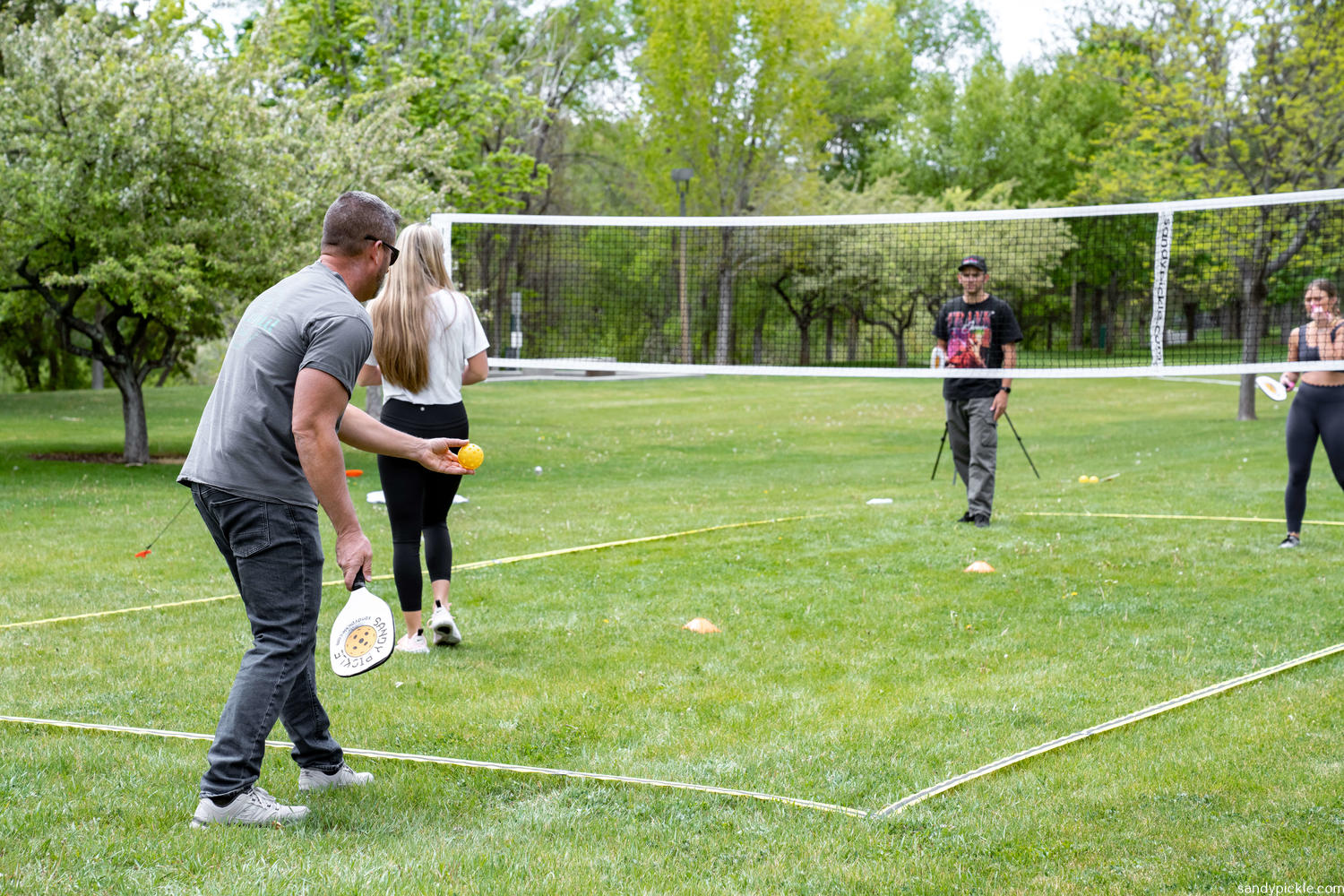
How To Set Up A Pickleball Court On Grass
If you want to try it, setting up a court is not hard. Here’s how you can get started:
- Find a Flat Area: Look for the flattest part of your lawn. Remove rocks, sticks, and anything that could trip players.
- Measure the Court: Use a tape measure to lay out a 20 x 44 foot rectangle.
- Mark the Lines: Use chalk, string, or temporary marking paint. You can also buy court marking kits.
- Set Up the Net: Portable pickleball nets are available online or in sporting goods stores. Standard net height is 36 inches at the sides and 34 inches at the center.
- Trim the Grass: Keep the grass as short as possible for better ball bounce.
- Test the Surface: Walk and run on the area to check for uneven spots or hazards.
A few backyard players even put down large mats or old carpets to make the surface harder.
What Equipment Works Best For Grass Pickleball?
Regular pickleball gear works, but you may want to make some adjustments for the best experience on grass.
- Paddles: Standard paddles are fine. Lightweight paddles might help with quick reactions.
- Balls: Use outdoor pickleballs—they are slightly heavier and have smaller holes than indoor balls, which helps with bounce. Some people experiment with slightly heavier balls for better play.
- Shoes: Wear tennis shoes or sneakers with good grip. Avoid sandals or shoes with no traction.
- Net: Portable nets are ideal for grass play. Make sure it’s stable and doesn’t tip easily.
For kids or casual games, you can even use a lighter ball, like a foam ball, which won’t roll as far in the grass.
Pros And Cons Of Playing Pickleball On Grass
Trying out pickleball on grass? Here’s a quick look at what you can expect:
| Pros | Cons |
|---|---|
| Accessible and affordable | Unpredictable ball bounce |
| Fun for all ages | Hard to follow official rules |
| Safe for falls | Slower game pace |
| No court rental fees | Grass stains and dirty gear |
| Good for casual play | Footing can be tricky |
As you can see, backyard pickleball is best for fun and exercise, not for serious practice.
Common Challenges And How To Solve Them
Playing pickleball on grass brings unique challenges. Here’s how to manage them:
1. Low Or No Bounce
This is the biggest issue. The ball often gets “stuck” in the grass.
- Tip: Mow the grass as short as possible before you play.
- Tip: Try using a heavier pickleball, or a slightly harder ball designed for outdoor play.
- Non-obvious insight: Experiment with a thin, artificial turf mat over the grass. Some people use old carpet pieces to create a mini “court” for better bounce.
2. Uneven Ground
Bumps and dips can cause tripping or odd bounces.
- Tip: Walk the court and fill in holes or dips with dirt.
- Tip: Avoid playing after rain or watering, as wet ground is slippery.
3. Marking Lines
It’s hard to see court lines on grass.
- Tip: Use bright chalk, colored tape, or even garden hose pieces to mark boundaries.
- Tip: Buy reusable court line markers online for quick setup.
4. Stability And Traction
Grass can be slippery, especially if there’s dew or after mowing.
- Tip: Wear shoes with good tread.
- Tip: Sweep away clippings before play.
5. Net Stability
Portable nets might tip or lean on soft ground.
- Tip: Anchor the net with stakes or sandbags.
- Tip: Check net height with a measuring tape before each session.
These small adjustments can make a big difference in your backyard pickleball experience.
Credit: www.sandypickle.com
How Does Pickleball On Grass Compare To Other Surfaces?
Wondering how grass stacks up against other surfaces? Here’s a comparison:
| Surface | Bounce Quality | Injury Risk | Official Use |
|---|---|---|---|
| Grass | Poor/Unpredictable | Low (soft falls) | No |
| Concrete/Asphalt | Excellent | Medium (hard falls) | Yes |
| Gym Floor/Wood | Very Good | Medium | Yes |
| Artificial Turf | Good (if short) | Low | Sometimes |
| Carpet | Fair | Low | No |
Non-obvious insight: Even short artificial turf is far better than real grass for pickleball. Some community centers have started using turf for multi-sport courts.
Modifying The Rules For Grass Play
Official rules don’t work well on grass, so it’s common to make your own “house rules.” Here are some ways to adapt the game:
- Allow double hits: If the ball bounces twice due to low bounce, let play continue.
- Shorten the court: Use a smaller court for kids or tight yards.
- Change serve rules: Allow underhand or “drop serves” to make it easier.
- Ignore faults for no-bounce: If the ball doesn’t bounce, try a “do-over.”
- Lower the net: Some lower the net slightly to help the ball clear.
The goal is fun, not perfection.

Credit: pickleballsuperstore.com
Is Grass A Good Way To Learn Pickleball?
If you’re brand new to the game, grass is a low-pressure way to start. You can practice basic swings, get used to the paddle and ball, and learn scoring with friends.
However, if you want to play in a club or tournament, you’ll need to transition to a hard court as soon as possible. The skills you develop on grass won’t always transfer perfectly—especially when it comes to anticipating bounce and speed.
Experience-based tip: Many beginners make the mistake of learning tricky shots or spin techniques on grass, only to find they behave very differently on real courts. Focus on the basics—grip, paddle position, and movement—before worrying about advanced skills.
Safety Considerations When Playing On Grass
Playing outside is fun, but safety matters.
- Check for hazards: Remove sticks, rocks, or animal holes before play.
- Avoid wet grass: Slipping is a real risk.
- Use sun protection: Hats, sunscreen, and sunglasses are smart.
- Stay hydrated: You might not notice how much you sweat outdoors.
- Supervise children: Grass is safer for falls, but kids can still trip.
Backyard pickleball is much less likely to cause scrapes or bruises compared to concrete courts.
Making The Most Of Backyard Pickleball
If you’re committed to playing on grass, here are practical ways to get the most out of your games:
- Organize family tournaments: Use fun prizes to keep things interesting.
- Try different balls: Some balls (like foam or “trainer” balls) work better on grass.
- Mix up the teams: Play doubles, singles, or even “king of the court” style to keep everyone involved.
- Set up lights: Evening games with string lights or portable lanterns can be a highlight.
- Rotate roles: Let kids serve as referees or scorekeepers.
- Invite neighbors: Backyard pickleball is a great way to socialize.
Non-obvious insight: If your lawn allows, create a semi-permanent court with removable stakes and reusable line markers. This makes setup and cleanup much easier, and you’ll play more often.
Alternatives To Grass: Other Diy Pickleball Surfaces
If grass isn’t working for you, there are other backyard options. Some are easier than you might think:
- Driveway or patio: Many people set up courts on their driveway. The hard surface is ideal for bounce.
- Portable court mats: You can buy interlocking sports mats that sit on top of grass or dirt.
- Garage: If space allows, a garage can become a mini court for practice.
- Community parks: Some parks allow you to set up a temporary court using tape and a portable net.
Each option has its own costs and benefits, but all are better for serious practice than grass.
What Do The Experts Say?
Most pickleball coaches and experienced players agree: grass is not ideal for real skill development. Still, they recognize that playing casually is better than not playing at all. If you’re focused on fun, social time, and exercise, go for it.
For those interested in improving their game, coaches recommend transitioning to a proper court as soon as you can. Ball bounce and speed are central to advanced play, and grass just can’t provide those.
If you want more details about official rules and surfaces, the USA Pickleball Association is a good resource.
Cost Of Setting Up A Backyard Pickleball Court
How much does it cost to set up a basic grass court? Here’s a quick breakdown:
| Item | Estimated Cost | Notes |
|---|---|---|
| Portable Net | $70 – $150 | Reusable |
| Pickleball Set | $30 – $80 | Includes paddles and balls |
| Line Markers | $20 – $50 | Or use chalk/tape |
| Artificial Turf Mat | $100 – $400 | Optional |
The most budget-friendly approach is just a net, chalk, and a basic paddle/ball set.
When Is Grass Pickleball The Best Choice?
Grass pickleball is ideal for:
- Casual family games
- Kids and beginners
- Picnics or parties
- Trying the sport before investing in gear
- Those without court access
It’s not the best for improving your skills or preparing for competitive play, but it’s a fantastic way to get moving and have fun outdoors.
Final Thoughts
So, can you play pickleball on grass? Absolutely, if you’re focused on fun and don’t mind bending the rules a little. Grass courts are not suitable for official matches or serious practice, but they’re perfect for backyards, family gatherings, and summer parties. Remember to keep expectations realistic—ball bounce and game speed will be different, and you’ll need to make small adjustments for safety and enjoyment.
For those who fall in love with the sport, consider moving to a hard court for the full experience. But until then, enjoy your backyard matches and focus on what makes pickleball truly special: friends, laughter, and the joy of play.
Frequently Asked Questions
What Type Of Ball Works Best For Pickleball On Grass?
Outdoor pickleballs (with smaller holes and heavier weight) work better on grass than indoor balls. However, even these may not bounce well. Some people try slightly heavier balls or even foam balls for more predictable play.
Can I Use A Tennis Net For Pickleball In My Backyard?
A tennis net is higher and wider than a pickleball net. If you don’t have a pickleball net, you can use a tennis net but lower it to 34 inches at the center. Some people use rope or string as a temporary net.
Is Playing Pickleball On Grass Safe For Kids?
Grass is one of the safest surfaces for falls, making it good for children. Always check for holes, rocks, or wet patches to avoid slips and trips.
Will Playing On Grass Help Me In Official Pickleball Matches?
Not much. The bounce, speed, and movement are very different from real courts. Grass is good for learning the basics, but you’ll need to practice on a hard surface to prepare for club or tournament play.
How Can I Make Grass Pickleball More Enjoyable?
Keep the grass short, mark your lines clearly, and use outdoor or heavier balls. Adjust rules as needed and focus on having fun, not strict competition. Add music, snacks, and play with friends for the best experience.