
Pickleball is one of the fastest-growing sports in the world. Its mix of tennis, badminton, and ping pong makes it fun and accessible for people of all ages. But as more people look for ways to play, one big question comes up: Can you play pickleball on concrete? If you have a driveway, a schoolyard, or a spare parking lot, you might be tempted to grab a net and start a match. But is concrete really a good idea? Let’s dive deep into the facts, safety, and experience of playing pickleball on concrete, so you can decide if it’s right for you.
Why People Consider Concrete For Pickleball
Concrete surfaces are everywhere. From old basketball courts to unused parking lots, they’re easy to find and often free. Many communities lack dedicated pickleball courts, so players search for alternatives. Concrete seems like a simple solution—just draw lines, set up a net, and play.
But before you turn your driveway into a pickleball court, it’s important to understand what playing on concrete really means.
People choose concrete because:
- It’s available and cheap. No need to build a special court.
- Durability. Concrete lasts for years and needs little maintenance.
- Multi-purpose use. The surface can double for basketball or other sports.
- Quick setup. A few lines and a portable net, and you’re ready to go.
But what are the trade-offs? Let’s explore the technical, safety, and game-quality factors in detail.
The Characteristics Of Concrete As A Playing Surface
Concrete is hard, flat, and doesn’t give under pressure. These qualities make it popular for sports like basketball, but pickleball has different demands. Let’s look at the main features of concrete:
- Firmness: There’s almost no bounce or cushion. The ball reacts sharply.
- Traction: Concrete can be slippery when wet or dusty, but it usually offers good grip.
- Consistency: The surface is usually even, but cracks and holes can be a problem.
- Noise: Concrete courts are louder than most alternatives.
Ball Bounce On Concrete
Pickleballs are made of plastic, and their bounce changes depending on the surface. On concrete, the bounce is high and fast. This can speed up the game, making rallies quicker and harder to control for beginners. Some players enjoy the fast pace, but others miss the softer feel of a dedicated court.
Wear And Tear On Equipment
Concrete is tough not just on players, but also on gear. Paddles and balls wear out faster on rough concrete. Balls may crack or go flat sooner than expected. Shoes also lose tread faster, which could mean buying replacements more often.
Safety Considerations: Risks And Tips
Safety is often overlooked when playing sports on hard surfaces. Concrete can be unforgiving. Here’s what you need to know:
Risk Of Injuries
- Joint Stress: Jumping, running, and stopping on concrete sends shock up your legs. Knees, ankles, and hips take the impact, especially for older players.
- Falls and Scrapes: Falling on concrete hurts much more than on softer surfaces. Cuts, bruises, and scraped skin are common.
- Slipping: Concrete can be slick if dusty, wet, or covered with debris.
How To Reduce Risks
- Wear proper shoes: Choose court shoes with good grip and some cushioning.
- Warm up: Stretch your muscles before playing to lower injury risk.
- Clean the court: Sweep away dirt, pebbles, and water before starting.
- Use softer balls: Some brands make balls designed for outdoor play on hard surfaces.
- Keep games friendly: Avoid aggressive dives or slides.
A non-obvious insight: Many joint injuries happen not from one bad fall, but from repeated stress. If you play often on concrete, pay attention to your body. Take breaks and don’t ignore aches.
Comparing Concrete To Other Pickleball Surfaces
Not all courts are created equal. Let’s see how concrete stacks up against other popular surfaces using some clear comparisons.
| Surface Type | Bounce Speed | Shock Absorption | Player Safety | Maintenance |
|---|---|---|---|---|
| Concrete | Very High | Very Low | Higher injury risk | Low |
| Asphalt | High | Low | Medium injury risk | Medium |
| Sport Court (Modular Tiles) | Medium | High | Lower injury risk | Low |
| Indoor Wood | Medium | Medium | Medium injury risk | Medium |
| Cushioned Acrylic | Medium | Very High | Lowest injury risk | Medium |
It’s clear that concrete offers durability and speed but falls short on comfort and safety.
Setting Up A Pickleball Court On Concrete
If you decide to play pickleball on concrete, proper setup makes a big difference. Here’s how you can make the most out of your space:
Measuring And Marking The Court
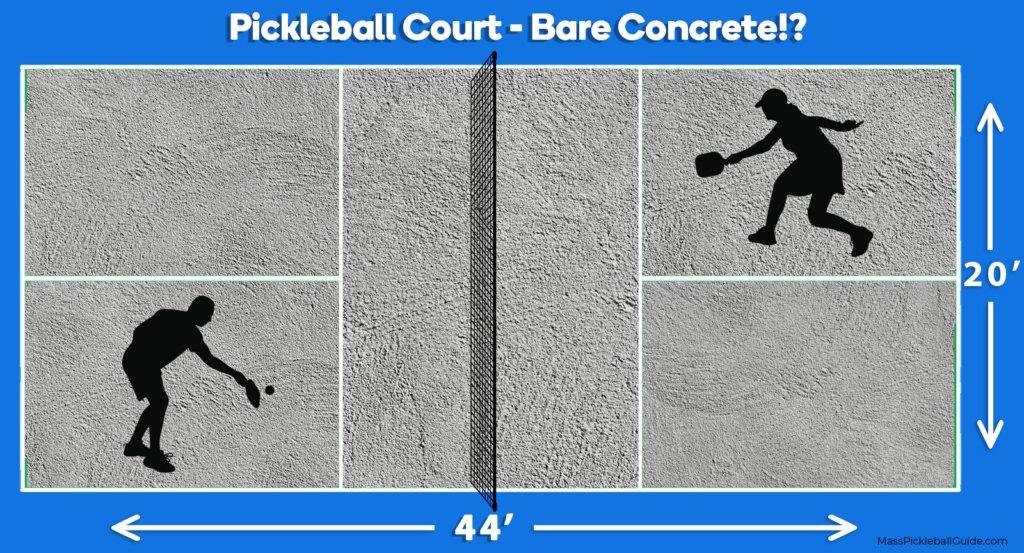
A standard pickleball court is 20 feet wide by 44 feet long. Make sure you have enough room for boundaries and safe movement. Use chalk, painter’s tape, or special court paint to mark lines. For semi-permanent courts, removable tape is a good choice.
- Baselines: 44 feet apart (back of the court)
- Sidelines: 20 feet apart (sides of the court)
- Non-volley zone (kitchen): 7 feet from the net on both sides
Installing A Net
Pickleball nets are 36 inches high at the sides and 34 inches in the center. You can use a portable pickleball net or adapt a tennis net if needed, but make sure to adjust the height.
Dealing With Surface Issues
Concrete often has cracks or uneven spots. Smooth out any major bumps or fill cracks if possible. Loose gravel or pebbles should always be swept away before playing.
Lighting And Fencing
If you plan to play in the evening, portable lights or floodlights are helpful. If the court is near a road or busy area, consider temporary fencing to keep balls from rolling away.
Advantages Of Playing Pickleball On Concrete
While concrete has its downsides, it also offers real benefits for certain players and situations.
Accessibility
Almost every neighborhood or community has access to a concrete surface. For schools or community centers, painting pickleball lines on an existing concrete court is a quick way to provide access to the sport.
Cost-effectiveness
Dedicated pickleball courts can be expensive to build and maintain. Using a concrete surface lets people try the sport without a big investment. This is why many beginners start on concrete before moving to other surfaces.
Durability
Concrete courts stand up to bad weather and heavy use better than many alternatives. Rain, sun, and even snow don’t damage concrete the same way they might harm asphalt or modular tiles.
Disadvantages And Hidden Drawbacks
Despite the positives, there are some key disadvantages to keep in mind.
Player Fatigue And Injury
The biggest concern is the impact on your body. The lack of shock absorption can lead to sore knees, ankles, and backs. Over time, this increases the risk of chronic pain or injuries.
Ball And Paddle Wear
Pickleballs and paddles wear out faster on concrete. Balls can crack after just a few games, and paddle surfaces may chip or lose grip.
Game Quality
The speed and bounce on concrete can change how the game feels. For serious players, the ball may move too fast, making rallies shorter and reducing the chance for strategic shots.
Weather Concerns
Concrete can become dangerously slick when wet. Unlike some other surfaces, it does not dry quickly, and water can pool in low spots.
Noise
Concrete courts are loud. The sound of the ball can echo in neighborhoods, which may annoy nearby residents.
A detail beginners often miss: Consistent play on concrete can change your style. You may learn to play faster, but switching to a softer court later can feel awkward.
Ideal Scenarios For Playing On Concrete
While concrete is not perfect, there are times when it’s the best or only option.
- Temporary courts: For community events or school PE classes, concrete is a quick setup.
- Beginners’ practice: New players can learn the basics without waiting for access to a “real” court.
- Urban play: In crowded cities, concrete playgrounds or rooftops may be the only open spaces.
If you plan to play several times a week or join tournaments, consider moving to a more forgiving surface as soon as possible.
How To Upgrade A Concrete Court For Better Pickleball
If you want to keep using a concrete court, you can make a few upgrades to improve the experience and safety.
Add A Surface Coating
Special court coatings (like acrylic) can be applied on top of concrete. These add color, improve traction, and add a small amount of cushioning. While not as soft as modular tiles, coatings help reduce slipping and improve ball visibility.
Use Modular Tiles
Snap-together plastic tiles can be placed over concrete. These tiles are common in professional pickleball venues and provide better shock absorption, water drainage, and grip.
Portable Cushioned Mats
Some companies sell roll-out mats designed for pickleball. These mats offer more comfort and can be stored away when not in use.
Regular Cleaning And Repairs
Sweep the court before every game. Fill cracks and patch holes as soon as they appear to avoid tripping or twisted ankles.
What Do The Official Rules Say About Concrete Courts?
The USA Pickleball Association (USAPA), the main governing body, has official guidelines for court surfaces. According to their rules, a “hard surface such as concrete or asphalt” is allowed for outdoor play. However, they recommend that the surface be “smooth, free of cracks, and in good condition” to ensure safety and fair play.
This means you can play official games on concrete as long as the surface meets basic standards. For tournaments, though, expect some surfaces to have extra coatings or upgrades for player comfort.
For more details, see the USAPA’s official site: USA Pickleball.

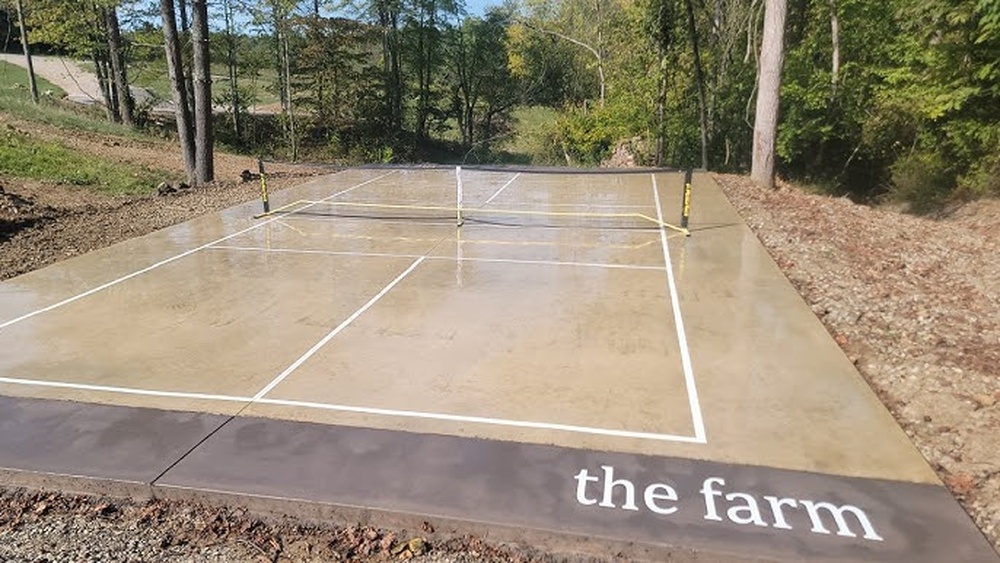
Credit: honeybuilthome.com
Real-world Examples: Communities That Play On Concrete
Many schools, parks, and community centers use concrete for pickleball. In urban areas, city programs often paint pickleball lines on public basketball courts to make the most of limited space. Some popular pickleball clubs started with nothing more than a parking lot and a few portable nets.
In Florida, several retirement communities converted old tennis courts into pickleball courts simply by repainting lines. Players enjoyed quick access, but many later upgraded to cushioned coatings after complaints of sore joints.
Key Tips For Playing Pickleball On Concrete
If you want to get the best experience and reduce risk, follow these tips:
- Invest in good shoes: Look for court shoes with extra padding and strong grip.
- Use outdoor balls: Outdoor pickleballs are harder and last longer on rough surfaces.
- Take breaks: Don’t play too long without resting, especially if you feel joint pain.
- Play doubles: Doubles matches involve less running and reduce impact on your legs.
- Protect your skin: Wear long sleeves or knee pads if you’re worried about scrapes.
- Stay hydrated: Concrete heats up quickly, so bring water and take shade breaks when needed.
A common mistake is ignoring minor pain or soreness. Address discomfort early to prevent bigger problems.
Cost Comparison: Playing On Concrete Vs. Dedicated Courts
It’s important to consider the cost of playing on different surfaces, especially if you plan to set up your own court.
| Surface Type | Initial Setup Cost | Annual Maintenance | Expected Court Life |
|---|---|---|---|
| Concrete | $0–$2,000 (lines/net only) | Very Low | 20+ years |
| Sport Court Tiles | $5,000–$15,000 | Low | 10–15 years |
| Cushioned Acrylic | $8,000–$20,000 | Medium | 10–20 years |
| Asphalt | $3,000–$10,000 | Low | 10–20 years |
As the table shows, concrete is the cheapest option for casual play or community courts. However, the extra comfort and safety of other surfaces may be worth the investment, especially for frequent players.
The Player Experience: What To Expect
Playing pickleball on concrete feels different. Expect a faster game, with balls bouncing higher and moving quicker. Beginners may find it challenging to control shots at first. Wear and tear is noticeable—balls crack sooner, and shoes wear out faster.
Some players enjoy the fast pace and tough challenge. Others prefer the slower, softer feel of a cushioned court. If you’re teaching new players or hosting family games, start slow and focus on safety.
When To Avoid Playing On Concrete
There are times when concrete is best avoided:
- If you have joint problems or a history of injury
- After rain or when the surface is wet
- During extreme heat (concrete absorbs and radiates heat, increasing risk of heat exhaustion)
- If the surface has major cracks or holes
If you notice sharp pains, swelling, or discomfort during or after playing, switch to a softer surface as soon as possible.
Alternatives To Concrete For Pickleball
If you want to invest in a better playing experience, consider these options:
- Modular sports tiles: Quick to install on top of concrete, offer better grip and safety.
- Cushioned acrylic coatings: Add comfort, reduce injury risk.
- Indoor gym floors: Wooden or synthetic, softer underfoot.
- Outdoor asphalt: Slightly softer than concrete, but still hard.
Each alternative has its own costs and maintenance needs, but all are easier on your body than bare concrete.
Credit: masspickleballguide.com
Final Thoughts
So, can you play pickleball on concrete? Absolutely. It’s a practical, affordable way to get started or to enjoy the game in many communities. But it comes with real drawbacks—especially for your joints and equipment. If you play often or want the best possible experience, consider upgrades or alternative surfaces.
Listen to your body, invest in good gear, and always put safety first. For casual or occasional games, concrete can serve you well, just be aware of its limitations and plan accordingly.
Frequently Asked Questions
Is It Safe To Play Pickleball On Concrete?
Concrete is safe for occasional play if the surface is clean and in good condition. However, the risk of joint strain and injury is higher than on softer surfaces. Always wear good shoes and avoid aggressive movements.
Will Playing On Concrete Wear Out My Equipment Faster?
Yes. Balls and paddles tend to wear out more quickly on concrete. You may need to replace balls after a few games and paddles may show scratches or chips sooner.
Can I Set Up A Permanent Pickleball Court On My Concrete Driveway?
Yes, you can paint permanent lines and use a portable net. Just ensure you have enough space (at least 20×44 feet) and that the surface is level and free of hazards.
How Do I Make A Concrete Court Better For Pickleball?
Apply an acrylic court coating for better grip and color, or use modular tiles for extra comfort. Regular cleaning and quick repairs of cracks also improve safety and play.
Are There Official Pickleball Tournaments On Concrete Courts?
Yes, some local and community tournaments are played on concrete, as allowed by official rules. However, larger events often use courts with special coatings or tiles for player comfort.
For more details on official court standards, visit the USA Pickleball Association website.
Credit: www.pickleballlane.com