
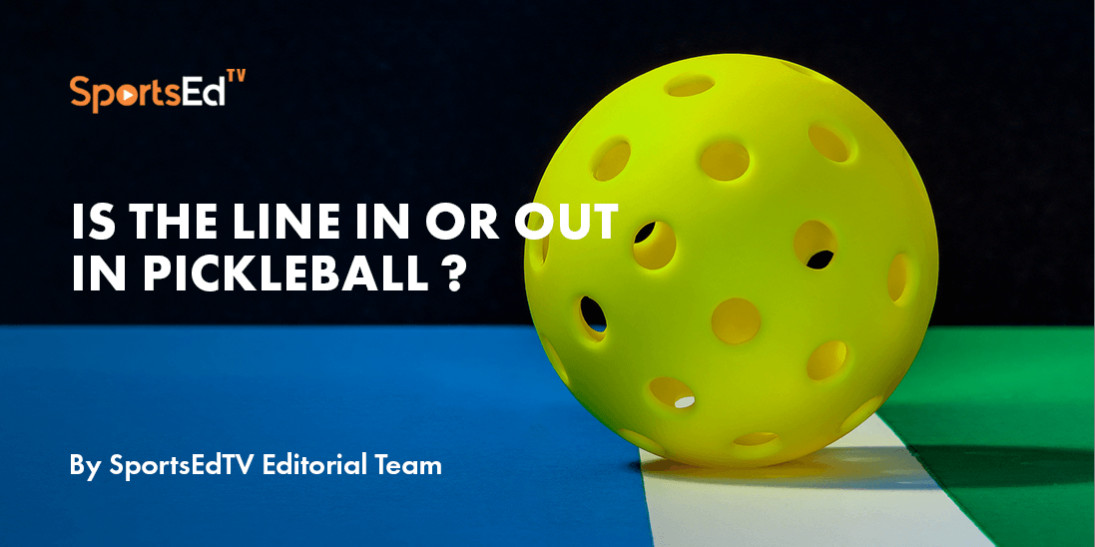
Have you ever found yourself wondering whether the ball landing on the line counts in pickleball? That small detail can change the outcome of your game and your score.
Knowing if lines are considered in or out gives you the confidence to play smarter and avoid unnecessary arguments. You’ll get clear answers to this common question and learn how it affects your play. Keep reading to master the rules and take your pickleball skills to the next level!
Credit: sportsedtv.com
Pickleball Court Basics
Understanding the basics of a pickleball court is essential for players. Knowing the court layout helps in deciding if a ball is in or out. The court has specific lines and dimensions that define the play area. Each line has a purpose and rules about how the ball interacts with it.
Learning these basics makes the game fair and enjoyable. Players can focus on their skills without confusion. Let’s explore the key parts of a pickleball court.
Court Dimensions
A pickleball court measures 20 feet wide and 44 feet long. This size is the same for both singles and doubles matches. The court is divided by a net that stands 36 inches high at the sidelines. At the center, the net height drops slightly to 34 inches.
The compact size keeps the game fast and fun. Players stay close, which makes quick moves and reactions important. Knowing the court size helps players position themselves well.
Key Boundary Lines
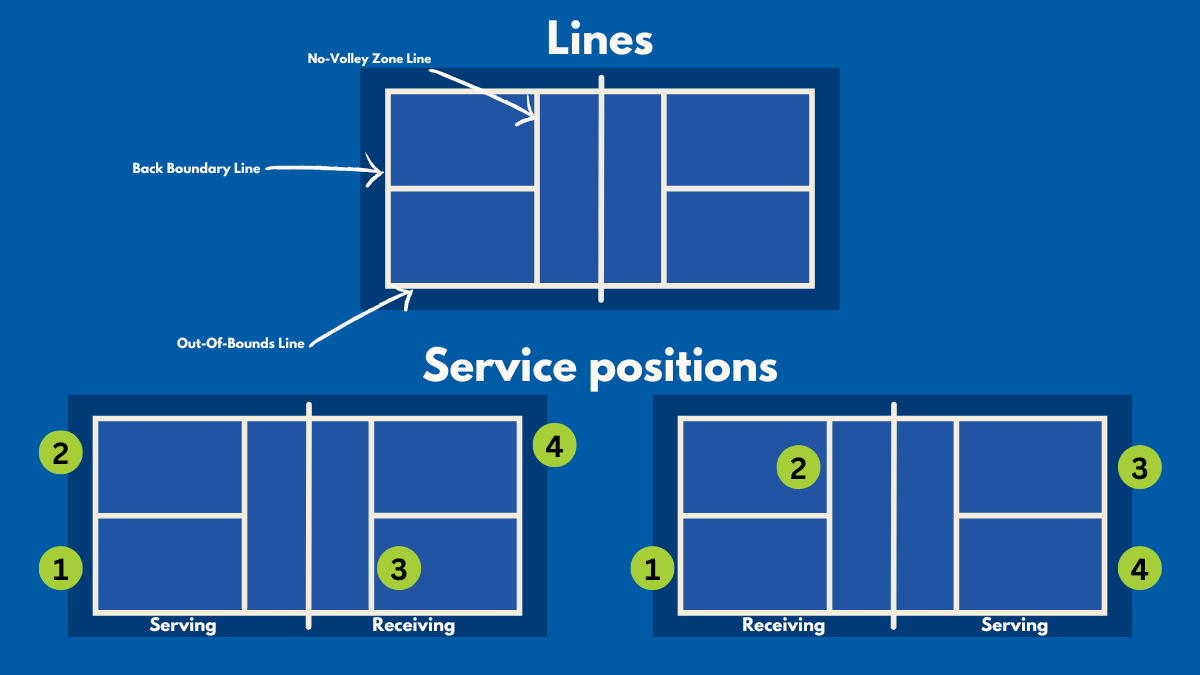
The court has several important lines that mark the playing zones. The baseline runs across the back of the court. The sidelines run along the sides. These lines show the outer limits where the ball must land.
The non-volley zone line, often called the kitchen line, is 7 feet from the net on each side. Players cannot hit the ball in the air while standing inside this zone. This rule adds strategy to the game.
All boundary lines are part of the court. If the ball touches any line, it is considered in. This rule helps avoid arguments and keeps the game moving smoothly.
Rules For Lines In Pickleball
Understanding the rules about lines in pickleball is key to playing correctly. Lines on the court show where the ball lands. They help players decide if a shot is good or not. Knowing the rules for lines helps avoid arguments and keeps the game fair.
When Lines Count As In
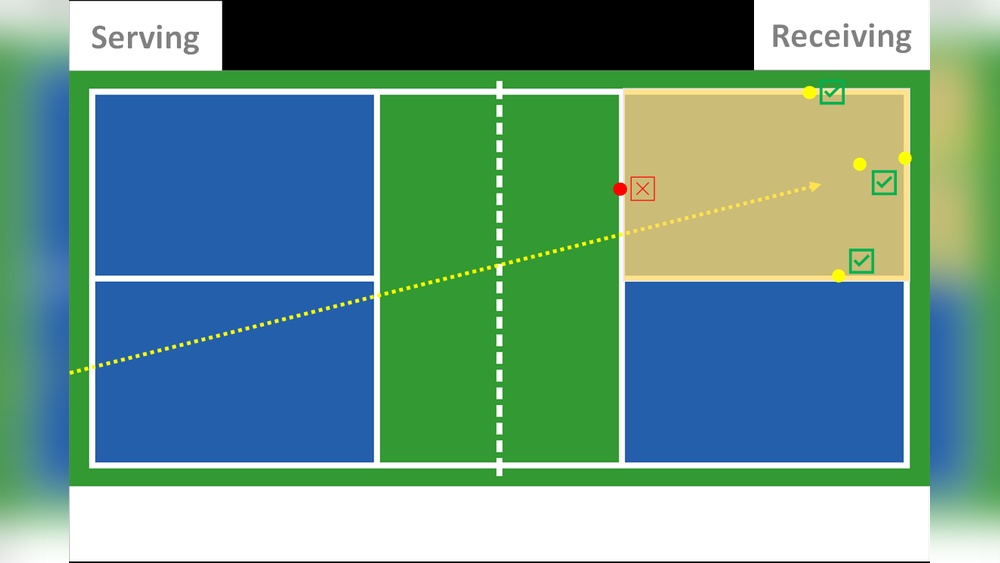
In pickleball, the ball touching any part of the line is considered in. This means the ball is still in play. Even a small touch on the line counts. The lines include the baseline, sideline, and non-volley zone line. The only exception is the centerline on the serve, which has special rules.
Scoring Implications
Lines affect the score in every rally. A ball landing on the line can win a point. If the ball lands outside the lines, the other team scores. Referees and players must watch closely. The line rules keep the scoring clear and fair. This helps the game move smoothly and quickly.
Situations When Lines Are Out
In pickleball, knowing when the ball is out is crucial for fair play. The lines on the court define the valid playing area. Sometimes, players get confused about whether the ball touches the line or goes out. Understanding the situations when lines are out helps avoid disputes and keeps the game smooth.
Faults Related To Lines
A ball is out if it lands completely outside the boundary lines. Even a small part of the ball outside means it is out. If the ball hits the line, it is considered in. Players must watch closely to call faults correctly. Serving faults happen when the ball lands out of the service area. Faults also occur if a player steps on or over the baseline while serving. Line faults can lead to loss of point or serve.
Common Mistakes
Many players wrongly call balls out that just touch the line. This mistake can change the point unfairly. Another common error is not watching the ball’s bounce carefully. Sometimes, players move too soon and miss the exact spot. Calling a ball out without clear view causes confusion. Practicing line awareness improves judgment and reduces mistakes. Good communication between players helps solve line disputes quickly.
Line Calling Tips
Knowing if a ball is in or out is very important in pickleball. Good line calling helps keep the game fair and fun. Here are some tips to help you make better line calls during play.
How To Judge Lines Accurately
Watch the ball closely as it hits the ground. Focus on where the ball touches the court. The ball is in if any part touches the line. If it lands outside, call it out. Stay steady and avoid quick guesses. Move your eyes with the ball’s path. Practice helps improve your judgment over time.
Using Technology For Calls
Some places use cameras or sensors to check line calls. These tools show slow-motion replays. They help players see exactly where the ball landed. Using technology reduces arguments and confusion. Not all courts have this, but it is growing. Try to learn how these tools work for better play.
Impact Of Lines On Gameplay
Lines in pickleball define the playing area and affect many decisions during the match. Knowing if the ball is in or out changes how players react and plan their next move. The presence of lines adds a clear boundary that players must respect to score points or avoid losing them.
Lines also influence how players think about their shots. They can use the lines to aim better and challenge their opponents. This changes the flow and tactics of the game, making it more exciting and competitive.
Strategy Adjustments
Players adjust their strategies based on line rules. Shots near the lines can pressure opponents to make mistakes. Some players aim just inside the line to keep the ball in play. Others try to hit the ball out to win points. Understanding line rules helps players choose smart shots.
Deciding to target the sidelines can force opponents to move quickly. This can create openings for easier returns. Players also change their serve placement depending on line positions. These small changes can make a big difference in the match.
Player Positioning
Lines affect where players stand on the court. Players must stay inside the boundaries during play. Standing too close to the lines risks stepping out and losing points. Good positioning helps players reach the ball faster.
Players position themselves to cover the lines well. They watch the ball and the lines to judge if a shot is safe. Being aware of the lines helps players avoid errors and stay competitive. Positioning also helps in planning the next shot effectively.

Credit: www.networldsports.co.uk
Training Drills For Line Precision
Hitting the ball near the lines in pickleball demands focus and skill. Practicing specific drills can improve your ability to aim and control shots. These exercises help you place the ball close to the boundary without going out.
Precision is key to winning points. Training drills sharpen your footwork and shot placement. With regular practice, you build confidence to play close to the lines safely.
Footwork Exercises
Good footwork positions you for accurate shots. Start with side-to-side shuffles along the baseline. Move quickly and stay low to the ground. This helps you reach the ball near the lines faster.
Practice quick steps forward and backward. It improves your balance and control. Use cones to mark spots near the sidelines. Step to each cone and return to the center swiftly.
Footwork drills train your body to react well. This makes it easier to aim at the lines during matches.
Shot Placement Drills
Focus on hitting target zones close to the court lines. Use tape or markers to create small boxes near the sidelines and baseline.
Practice serving and returning the ball into these boxes. Start slow and increase your speed over time. Try different shot types like dinks, drives, and lobs.
Track your success rate to see improvement. These drills develop muscle memory for line accuracy. Consistent practice leads to better control in real games.
Credit: scl.cornell.edu
Frequently Asked Questions
Are Lines Considered In Or Out In Pickleball?
In pickleball, if the ball touches any part of the line, it is considered in. Lines act as boundaries, and balls landing on them are valid plays.
How Do Line Calls Affect Pickleball Gameplay?
Line calls determine whether a shot is valid or out. Accurate calls ensure fair play and avoid disputes during the game.
Can Players Challenge Line Calls In Pickleball?
Unlike some sports, pickleball does not have official line judges. Players rely on mutual honesty and clear communication to resolve line call disputes.
What Lines Are Most Important In Pickleball?
The baseline, sidelines, and non-volley zone lines are crucial. Knowing their boundaries helps players make accurate shots and avoid faults.
Conclusion
Lines matter a lot in pickleball. They tell you if the ball is good or not. Knowing the rules helps you play fair and enjoy more. Watch the lines closely during every serve and rally. Practice will make you better at judging the ball.
Stay focused and trust your eyes on the court. Playing with confidence makes the game more fun for everyone. Remember, the lines keep the game clear and fair. Keep these tips in mind for your next match.