
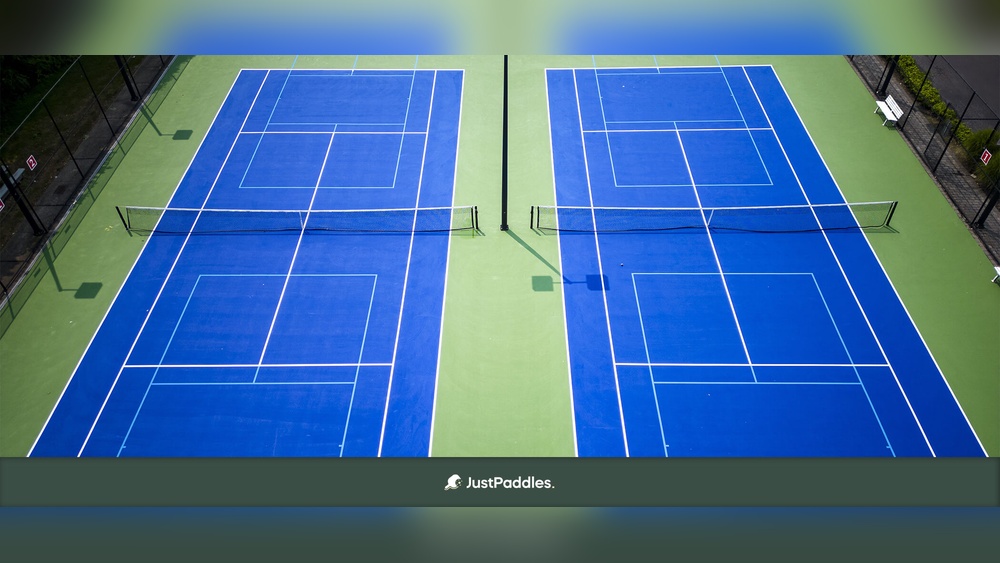
Have you ever wondered if you can play pickleball on a tennis court? If you’re looking for a way to enjoy this fast-growing sport without finding a special court, this question is probably on your mind.
The good news is, tennis courts might be the perfect spot for your next pickleball game. But there are a few things you need to know before you step on the court. Keep reading to discover how you can make the most of a tennis court for pickleball and get your game going right away.
Pickleball Basics
Pickleball is a fun and fast-growing sport. It combines elements of tennis, badminton, and ping-pong. The game is simple to learn and great for players of all ages. Understanding the basics helps you enjoy the game more.
Game Rules
Pickleball is played with two or four players. The goal is to hit the ball over the net without letting it bounce twice on your side. You serve underhand from behind the baseline. Points score only on your serve. Games usually go to 11 points, and you must win by 2 points.
Court Dimensions
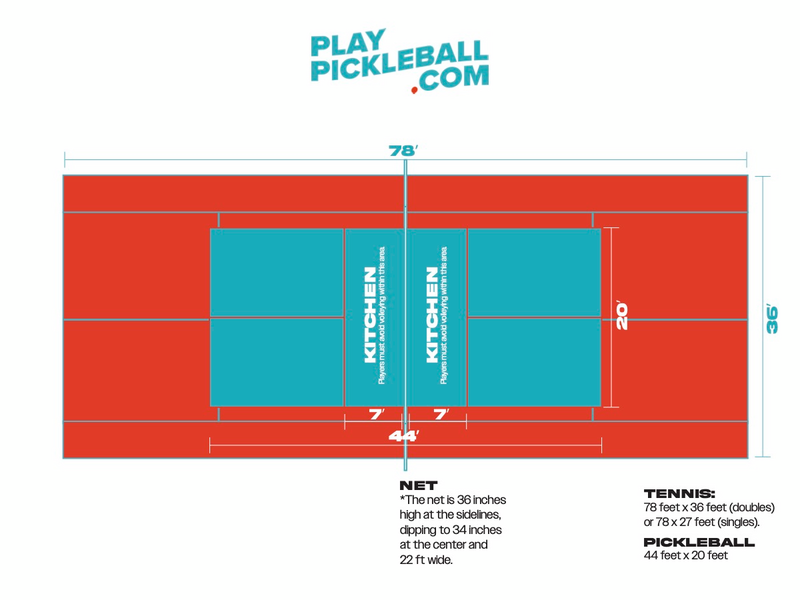
A pickleball court is 20 feet wide and 44 feet long. It has a 7-foot non-volley zone near the net called the kitchen. The net height is 34 inches at the center. Tennis courts are bigger, but you can mark pickleball lines on them for play.
Equipment Needed
Pickleball requires a paddle, a plastic ball with holes, and a net. Paddles are smaller than tennis racquets. The ball is lighter and slower than a tennis ball. You can use a tennis net but must lower it to pickleball height.
Credit: www.teampickleball.com
Tennis Court Dimensions
Tennis courts have specific dimensions designed for the sport. Understanding these sizes helps to see if pickleball fits on the same space. The court size affects how the games are played and how players move.
Standard Size
A tennis court measures 78 feet long and 36 feet wide for doubles matches. The singles court is narrower, at 27 feet wide. The net stands 3 feet high at the center. These measurements give plenty of space for running and hitting powerful shots.
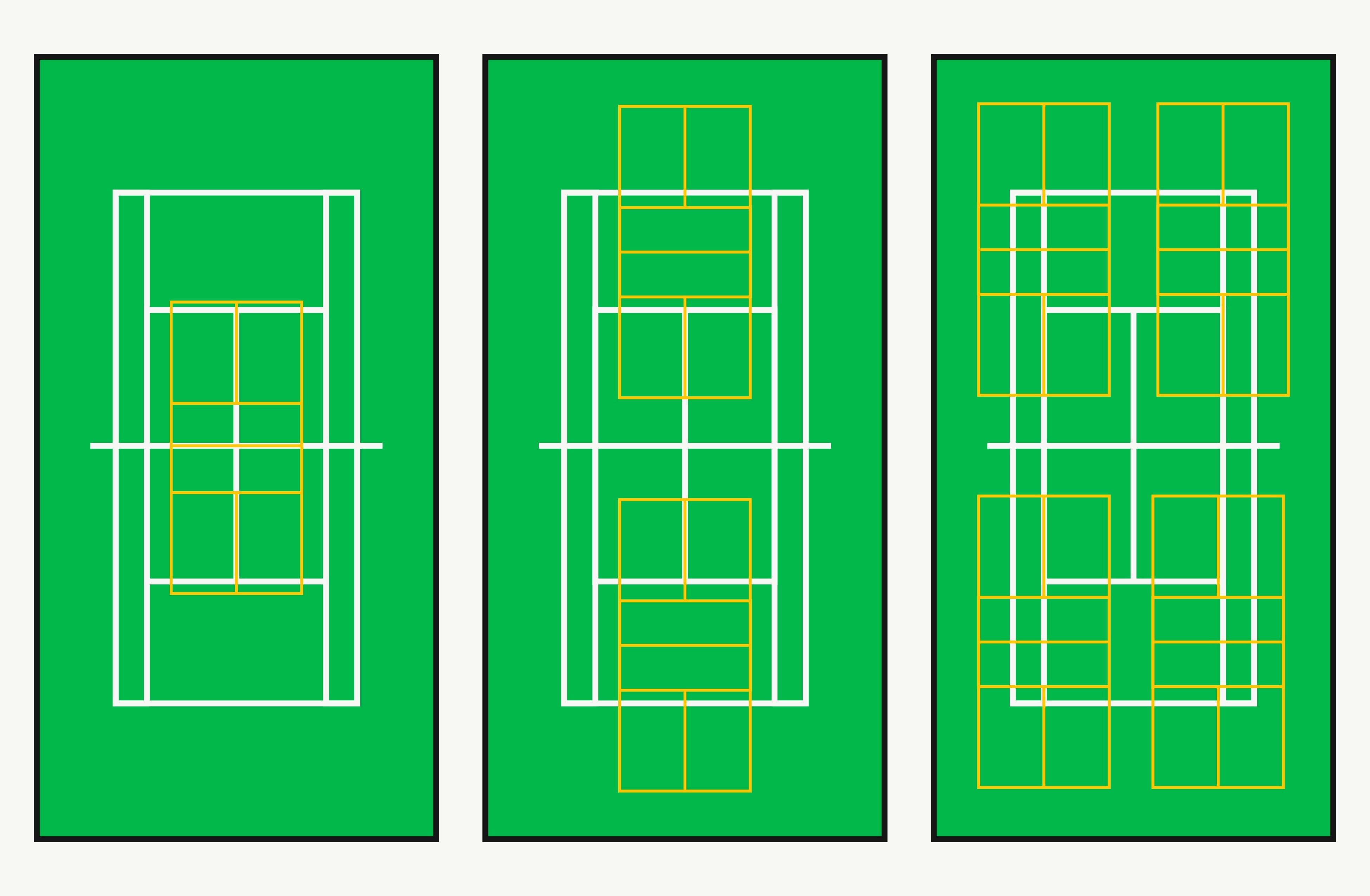
Pickleball courts are smaller, measuring 44 feet long and 20 feet wide. This means a pickleball court fits comfortably inside a tennis court. Players can use the existing tennis court lines or add new ones for pickleball.
Surface Types
Tennis courts come in different surface types. The most common are hard courts, clay courts, and grass courts. Hard courts are made of asphalt or concrete, providing a fast and consistent bounce. Clay courts slow down the ball and allow more sliding. Grass courts offer a softer surface with unpredictable ball movement.
Pickleball works best on hard courts. The smooth surface helps the pickleball bounce correctly and players move easily. Clay or grass courts may not suit pickleball well due to uneven bounces and slower play.
Adapting Tennis Courts For Pickleball
Adapting tennis courts for pickleball is a popular choice for many communities. Tennis courts offer a large, flat surface that can serve pickleball players well. Small changes make the court ready for pickleball matches. These changes help players enjoy the sport safely and fairly.
Court Marking Adjustments
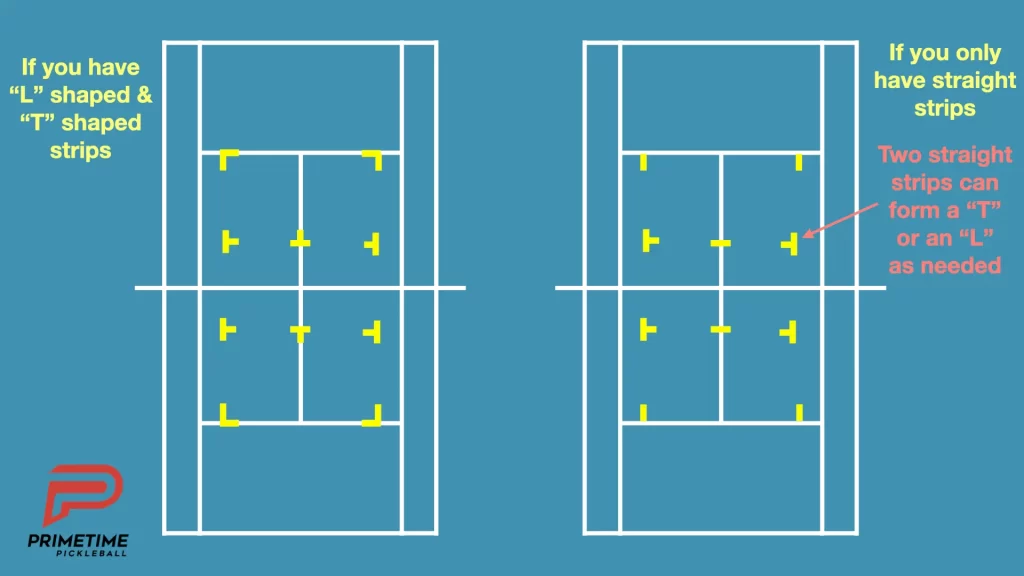
Pickleball courts are smaller than tennis courts. You need to add new lines on the tennis court surface. Use tape or paint to mark the pickleball boundaries. The pickleball court is 20 feet wide and 44 feet long. Mark the non-volley zone, called the kitchen, which is 7 feet from the net on each side. Clear lines keep the game fair and easy to follow.
Net Height Differences
The pickleball net is lower than a tennis net. Tennis nets stand at 36 inches at the center. Pickleball nets are 34 inches high at the center. You may need to lower the net or use a portable pickleball net on the tennis court. This change helps players hit the ball correctly and enjoy the game.
Space Considerations
Tennis courts provide plenty of space for pickleball. Extra room around the court helps players move safely. Make sure there is enough clearance behind the baseline and on the sides. This space avoids collisions with fences or walls. Also, check the surface for any cracks or bumps that could cause falls. A smooth, clear area improves the play experience.
Setting Up Pickleball On Tennis Courts
Setting up pickleball on a tennis court can be simple and fun. The tennis court is larger than a pickleball court, so adjustments are needed. You can turn the tennis court into a pickleball court with a few easy steps. These steps ensure a good play area without permanent changes.
Players can enjoy pickleball on tennis courts by marking lines, adjusting the net, and placing equipment correctly. Each part helps keep the game fair and safe. Here is how to set up your pickleball court on a tennis court.
Temporary Court Lines
Use tape or chalk to mark the pickleball court lines. These lines show the boundaries and service zones clearly. The pickleball court is smaller, so mark it inside the tennis court. Choose bright colors for better visibility. Make sure the lines are straight and measured properly. Temporary lines help protect the tennis court surface.
Net Modifications
The pickleball net is lower than a tennis net. Use a net that measures 36 inches high at the sides and 34 inches in the center. You can lower the tennis net with adjustable straps or weights. Portable pickleball nets also work well on tennis courts. Proper net height keeps the game fair and enjoyable.
Equipment Placement
Place paddles, balls, and other gear near the court for easy access. Use baskets or small containers to keep balls organized. Keep equipment off the playing area to avoid accidents. Players need space to move freely without obstacles. Well-placed equipment makes the game smoother and safer.
Advantages Of Using Tennis Courts
Tennis courts offer many benefits for playing pickleball. They provide a ready-made space that suits the needs of pickleball players. Using tennis courts can make the game more accessible and enjoyable for everyone.
These courts also have quality surfaces and enough space to play comfortably. Many communities already have tennis courts, making it easier to find a place to play pickleball.
Accessibility
Tennis courts are common in parks and schools. Most people know where to find them. This makes starting pickleball easy without searching for special courts. Players can join games quickly and often.
Surface Quality
Tennis courts have smooth, hard surfaces. These surfaces help the pickleball bounce well. Good bounce means better play and fewer mistakes. The surface also reduces player injuries by being even and clean.
Space Availability
Tennis courts offer plenty of space for pickleball lines. They fit multiple pickleball courts side by side. This allows more players to play at the same time. The extra room makes the game safer and more fun.
Credit: primetimepickleball.com
Challenges And Limitations
Playing pickleball on a tennis court brings several challenges and limits. These issues affect how well the game is played and the overall experience for players.
Size Constraints
Pickleball courts are smaller than tennis courts. Marking pickleball lines on a tennis court can cause confusion. Players may find it hard to adjust to the extra space. The different court sizes can affect game speed and strategy.
Scheduling Conflicts
Both sports often share the same courts. Tennis players need the space for their matches. Pickleball players want to use the courts too. This overlap creates scheduling problems. Conflicts can lead to frustration for both groups.
Surface Suitability
Tennis courts have surfaces made for tennis shoes and play. Pickleball needs a surface that suits its slower ball speed. Some tennis court surfaces are too hard or slippery. This can increase the risk of injury for pickleball players. The surface may also affect ball bounce and control.
Tips For Playing Pickleball On Tennis Courts
Playing pickleball on a tennis court can be fun and practical. You must prepare the court and adjust your play style. Safety is important too. These tips will help you enjoy pickleball on a tennis court.
Court Setup Tips
Pickleball courts are smaller than tennis courts. Use tape or chalk to mark the pickleball lines inside the tennis court. Focus on the non-volley zone, also called the kitchen. Make sure the net height matches pickleball rules. Use a portable net if possible. Keep the court clean and clear of debris.
Gameplay Adjustments
Tennis courts are larger, so expect more running. Play with slower shots to keep the ball in play. Use smaller paddles for better control. Adjust your serve to fit the smaller service area. Communicate often with your partner to cover the court well.
Safety Precautions
Check the surface for cracks or wet spots before playing. Wear proper shoes with good grip to avoid slipping. Keep water nearby to stay hydrated. Warm up well to prevent injuries. Watch your step to avoid tripping on court markings or net posts.
Alternative Court Options
Pickleball is a fun sport that many enjoy playing. Finding the right court can be a challenge. While tennis courts are common, there are other court options to consider. These options offer different benefits and settings for playing pickleball.
Dedicated Pickleball Courts
Dedicated pickleball courts are built specifically for the game. They have the right dimensions and markings. These courts provide the best playing experience. The surface is designed for fast and safe play. Many communities are adding these courts due to growing interest.
Multi-purpose Courts
Multi-purpose courts serve more than one sport. They can be used for basketball, tennis, and pickleball. Lines are painted in different colors to mark each game. These courts save space and money. They allow players to enjoy pickleball without needing a separate court.
Indoor Venues
Indoor venues offer protection from weather. These places are perfect for year-round play. Gyms and recreation centers often have indoor pickleball courts. The lighting and surface are controlled for comfort. Indoor venues also help avoid cancellations due to rain or wind.
Credit: www.playpickleball.com
Frequently Asked Questions
Can Pickleball Be Played On A Tennis Court?
Yes, pickleball can be played on a tennis court. The court dimensions are smaller, so temporary lines are added. Nets are lowered to 34 inches at the center. This setup allows players to enjoy pickleball without needing a dedicated court.
What Adjustments Are Needed On A Tennis Court For Pickleball?
To play pickleball on a tennis court, add temporary lines for smaller dimensions. Lower the net to 34 inches at the center. Use portable pickleball nets if possible. These adjustments create a suitable playing area and maintain proper game rules.
Is The Tennis Court Surface Suitable For Pickleball?
Yes, tennis court surfaces like hard courts work well for pickleball. The smooth surface ensures good ball bounce and player movement. However, some prefer specialized pickleball courts for enhanced grip and reduced injury risk. Overall, tennis courts are a practical option.
How Many Pickleball Courts Fit On One Tennis Court?
Typically, two pickleball courts fit side-by-side on one tennis court. This maximizes space and allows multiple games simultaneously. Proper line marking and net placement are essential to avoid interference. This setup is common in community centers and recreational areas.
Conclusion
Pickleball can easily be played on a tennis court with some changes. The court size and net height differ, but both sports share similar space. Players just need to mark pickleball lines or use tape for boundaries. This makes tennis courts a practical spot for pickleball fun.
Many communities use tennis courts this way to enjoy both games. So, if a tennis court is available, pickleball is a great choice to try out. Simple adjustments help players enjoy pickleball anytime, anywhere.