
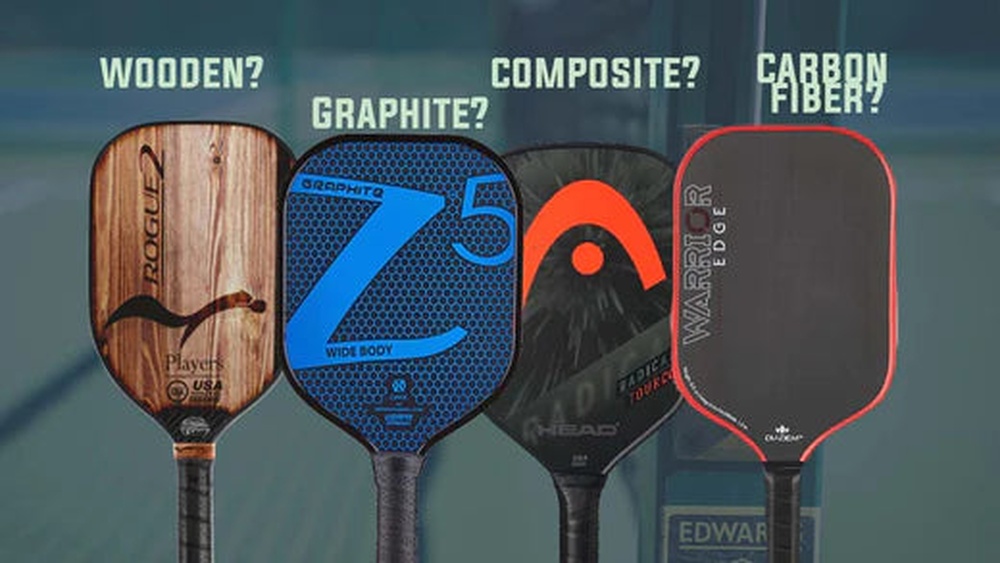
Are you trying to find the perfect pickleball paddle that fits your style and boosts your game? Choosing between graphite and wood pickleball paddles can feel tricky, especially when both have strong fans.
Your paddle affects every swing, every serve, and every point you play. Knowing the real differences can give you an edge on the court. Keep reading, and you’ll discover which paddle matches your needs and helps you play smarter, not harder.
Credit: www.pickleball-paddles.com
Material Composition
The material used in pickleball paddles affects their weight, feel, and durability. Understanding the material composition helps players pick the right paddle. Graphite and wood are common choices, each with unique features. Exploring these features reveals how each material impacts performance and comfort.
Graphite Paddle Features
Graphite paddles have a lightweight frame. They feel smooth and fast during play. The surface is firm and offers good control over the ball. Graphite absorbs less vibration, reducing hand fatigue. These paddles often have a core made from polymer or foam. This core adds bounce and power to shots. Graphite paddles usually cost more but last longer. They suit players who want speed and precision.
Wood Paddle Characteristics
Wood paddles are heavier and feel solid in the hand. They have a thick wooden face and core. This makes them sturdy but slower to swing. Wood paddles provide strong hits but less control. They create more vibration, which can tire the arm quicker. These paddles are affordable and good for beginners. Wood paddles offer a classic feel and simple design. Their weight helps in power but reduces maneuverability.
Weight And Maneuverability
Weight and maneuverability are key factors in choosing a pickleball paddle. These traits affect how fast and easy it is to swing the paddle. The paddle’s weight changes how you play and control the ball. Lighter paddles allow quicker moves, while heavier paddles offer more power but less speed.
Lightweight Benefits Of Graphite
Graphite paddles are known for their light weight. They let players react faster and change directions quickly. This helps in fast rallies and quick shots. The lightness reduces arm fatigue during long matches. Players find it easier to control the paddle’s position. Graphite paddles also feel balanced, making wrist movements smooth.
Heavier Feel Of Wood
Wood paddles are usually heavier than graphite ones. The extra weight can add strength to each hit. This means more power in your shots. But heavier paddles can slow down your reaction time. They require more effort to swing and move around. For beginners, this might cause tiredness faster. Wood paddles may not be as easy to control quickly.
Power And Control
Power and control are two key factors in choosing a pickleball paddle. Players want a paddle that delivers strong hits but also offers precise handling. The material of the paddle greatly affects these qualities. Graphite and wood paddles perform differently in power and control. Understanding these differences helps players pick the right paddle for their style.
Power Output With Graphite
Graphite paddles provide high power output. They are light and stiff, which helps hit the ball harder. The surface of graphite paddles is smooth and firm. This design transfers energy efficiently from the paddle to the ball. Players can achieve faster shots with less effort. Graphite paddles suit aggressive players who want strong hits.
Control Advantages Of Wood
Wood paddles offer better control over the ball. They are heavier and absorb some impact, making shots feel softer. The weight helps stabilize the paddle during swings. This stability allows for more accurate placement of shots. Wood paddles are good for beginners and players who prefer a steady, controlled game. They help improve touch and precision.
Durability And Maintenance
Durability and maintenance play a big role in choosing a pickleball paddle. The material affects how long the paddle lasts and how easy it is to care for. Graphite and wood paddles have different strengths in these areas.
Graphite Paddle Longevity
Graphite paddles last longer than wood paddles. The graphite surface resists dents and cracks. It holds up well against regular hits and rough courts. The core inside is usually made from strong materials like polymer. This helps keep the paddle sturdy over time. Graphite paddles do not absorb moisture, reducing the risk of warping or damage. They keep their shape and feel after many games.
Care Tips For Wood Paddles
Wood paddles need more care to stay in good shape. Avoid leaving them in wet or hot places. Water can make wood swell and crack. Heat may cause the wood to warp or weaken. Clean wood paddles gently with a damp cloth. Do not use harsh chemicals or soak them. Store paddles in a dry, cool area. Use a protective cover to prevent scratches. Regular care helps wood paddles last longer and play better.
Cost Comparison
Choosing between graphite and wood pickleball paddles often comes down to cost. Understanding the price differences helps players pick the right paddle for their budget. Here is a clear look at the costs of each type.
Price Range Of Graphite Paddles
Graphite paddles usually cost more than wood paddles. Their prices start around $50 and can go up to $150 or more. The higher price reflects the light weight and strong material. Pro players often choose graphite for better control and power. Many brands offer different models, so prices vary a lot.
Affordability Of Wood Paddles
Wood paddles are the cheapest option. Most wood paddles cost between $15 and $40. They are heavier but very durable. Beginners and casual players often prefer wood paddles. The low cost makes it easy to buy a paddle without spending much money. Wood paddles are a good choice for those new to the game.
Player Preferences
Player preferences play a big role in choosing between graphite and wood pickleball paddles. Each type offers unique features that attract different players. Understanding these choices helps pick the right paddle for your style and needs.
Who Prefers Graphite?
Players who like fast play often choose graphite paddles. These paddles are light and easy to swing. The smooth surface helps with control and power. Beginners who want to improve quickly may prefer graphite for its responsiveness. Competitive players enjoy the speed and precision graphite offers during matches.
Who Chooses Wood?
Wood paddles attract players who value durability and budget-friendly options. They are heavier, giving a solid feel when hitting the ball. Many casual players like wood paddles for their classic look and simple design. Some players prefer wood for practice, as it helps build strength and control. Wood paddles suit those who play for fun without needing high-tech features.
Performance In Different Play Styles
Performance in pickleball depends a lot on your style of play. Your paddle choice can make a big difference. Graphite and wood paddles offer different strengths. Each suits a specific way of playing. Understanding these differences helps you play better and enjoy the game more.
Graphite For Aggressive Play
Graphite paddles are light and fast. They allow quick swings and strong shots. Players who like to attack the net prefer graphite. The surface is smooth and stiff. This helps create power and speed in every hit. Graphite paddles give better control for sharp angles. They suit players who want to dominate the game with fast moves.
Wood For Defensive Play
Wood paddles are heavier and slower. They provide a solid feel and good balance. Defensive players use wood paddles to block and control shots. The weight helps absorb the ball’s impact. This makes it easier to return fast hits. Wood paddles give more stability for careful, strategic play. They work well for those who focus on defense and placement.
Environmental Impact
The environmental impact of pickleball paddles matters to many players today. Choosing a paddle affects nature and resources. Materials used in paddles differ in how they affect the earth. Understanding these differences helps players make better choices. Let’s explore how graphite and wood paddles compare in their impact on the environment.
Sustainability Of Graphite
Graphite paddles often use synthetic materials and energy-heavy production. Mining graphite can harm land and water sources. Manufacturing these paddles needs chemicals and high temperatures. This process uses a lot of electricity, often from non-renewable sources.
Graphite paddles last long, which means fewer replacements. Longer use reduces waste over time. Recycling options for graphite are limited, though. Most graphite paddles end in landfills after use.
Eco-friendliness Of Wood
Wood paddles come from natural, renewable materials. Trees absorb carbon dioxide, which helps fight climate change. Using wood from well-managed forests supports sustainability.
Wood paddles require less energy to make than graphite ones. They often break down more easily after disposal. This lowers their lasting impact on landfills and nature.
Wood paddles may wear out faster, leading to more replacements. Still, their natural origin and easier disposal balance this effect.
Choosing The Right Paddle
Choosing the right pickleball paddle can shape your playing experience. The choice between graphite and wood paddles depends on your style and needs. Each type offers unique benefits. Understanding these helps you pick a paddle that fits your skill and play style perfectly.
Matching Paddle To Skill Level
Beginners often prefer wood paddles. They are heavier and offer more control. This helps new players build solid hitting skills. Intermediate and advanced players usually choose graphite paddles. These are lighter and allow faster swings. They also provide better power and touch on the ball. Choose a paddle that suits your current skill level to improve steadily.
Assessing Personal Play Needs
Consider what you want from your paddle. Do you need more power or better control? Graphite paddles give extra power and quick response. Wood paddles offer durability and a traditional feel. Think about your playing style. Aggressive players may like graphite for speed. Players who focus on placement might prefer wood for control. Pick a paddle that matches your personal style and comfort.

Credit: bepickleballer.com

Credit: www.paddletek.com
Frequently Asked Questions
What Are The Main Differences Between Graphite And Wood Paddles?
Graphite paddles are lighter, more durable, and offer better control. Wood paddles are heavier, less expensive, and provide more power but less precision.
Which Paddle Type Is Better For Beginners?
Wood paddles are ideal for beginners due to their affordability and solid feel. Graphite paddles suit intermediate to advanced players seeking better performance.
How Does Paddle Weight Affect Gameplay?
Lighter graphite paddles allow faster swings and quick reactions. Heavier wood paddles generate more power but can cause faster arm fatigue.
Are Graphite Paddles More Expensive Than Wood Ones?
Yes, graphite paddles typically cost more because of their advanced materials and technology. Wood paddles are budget-friendly and widely available.
Conclusion
Choosing between graphite and wood pickleball paddles depends on your style. Graphite paddles offer light weight and quick hits. Wood paddles feel heavier but provide more control. Think about your strength and play speed. Beginners may find wood paddles easier to handle.
Experienced players might prefer graphite for fast action. Both types have clear benefits. Test both if possible before buying. Your choice shapes your play experience. Pick the paddle that feels right in your hand. Enjoy the game and keep practicing often.