
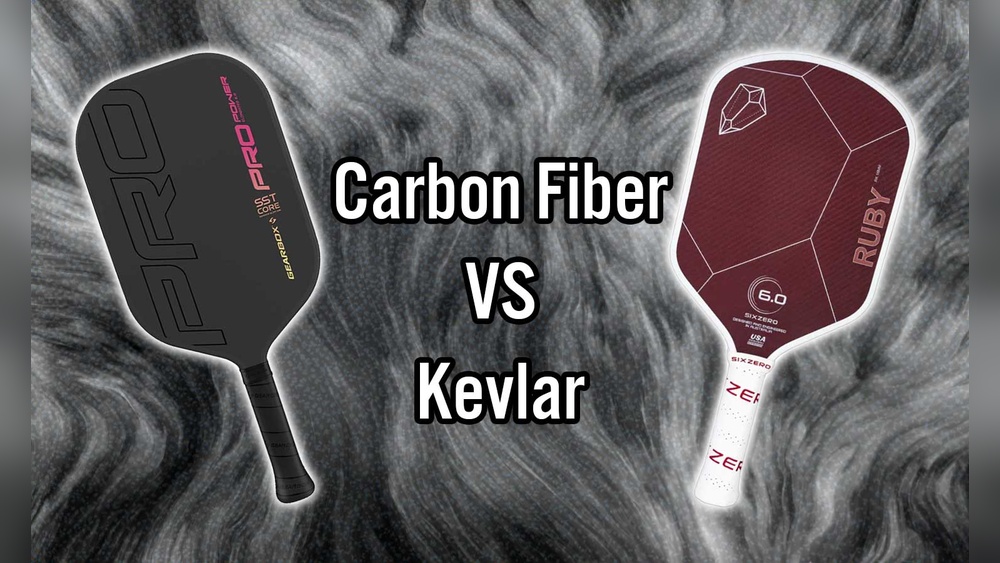
Pickleball has exploded in popularity, and with it, the technology behind pickleball paddles has evolved rapidly. Today, players face a choice that can shape their game: Kevlar or carbon fiber paddles. Both materials offer unique advantages, but the right one depends on your playing style, needs, and preferences. Picking the wrong paddle can hold you back, make your shots less effective, or even lead to arm fatigue. Let’s dive deep into the key differences, how they impact your game, and what you need to know before making your next paddle purchase.
Understanding Kevlar And Carbon Fiber
To make a smart choice, it’s essential to know what these materials are and why they’re used in pickleball paddles.
What Is Kevlar?
Kevlar is a synthetic fiber known for its high strength and toughness. Originally developed for body armor, Kevlar is five times stronger than steel by weight. In pickleball paddles, Kevlar is woven into layers and bonded with resins to form a rigid, impact-resistant surface. It’s valued for its ability to absorb shock and withstand aggressive play.
What Is Carbon Fiber?
Carbon fiber is another advanced material, created by weaving thin strands of carbon together and hardening them with resin. The result is a light, stiff, and strong sheet. Carbon fiber is common in aerospace, racing cars, and now, in premium pickleball paddles. It’s prized for its stiffness, lightweight feel, and high energy return—qualities that translate into power and precision on the court.
How Paddle Materials Affect Performance
Choosing between Kevlar and carbon fiber isn’t just about what’s inside the paddle. The material directly shapes your playing experience.
Power And Control
Carbon fiber paddles are generally stiffer, which means they flex less on impact. This stiffness gives you a crisp feel and allows for fast energy transfer—so your shots can be more powerful and precise. However, the sweet spot on carbon fiber paddles can be smaller, making off-center hits less forgiving.
Kevlar paddles, on the other hand, have a slight flex. This flex absorbs some of the ball’s energy, giving you more control and a softer touch. The sweet spot is often larger, so your shots remain consistent even if you don’t hit dead center.
But this softness may reduce the maximum power you can generate.
Durability And Longevity
Kevlar is famous for its toughness. It resists dents, scratches, and cracks better than almost any other paddle material. If you’re hard on your gear or play outdoors a lot, Kevlar can last for years without losing performance.
Carbon fiber is strong but not as impact-resistant as Kevlar. It can develop surface chips or cracks if hit against the ground or other paddles. However, it resists warping and stays flat, so it’s a solid choice for players who treat their gear with care.
Weight And Maneuverability
Carbon fiber is extremely light, which means paddles made from it are easy to swing and maneuver. This can help you react faster at the net or switch grip positions quickly. Kevlar paddles tend to be slightly heavier, which can offer more stability and less vibration, but may feel slow in fast exchanges.
Vibration And Comfort
Kevlar’s shock-absorbing quality reduces vibration. If you have sensitive wrists or elbows, a Kevlar paddle can make long matches more comfortable and reduce the risk of injuries like tennis elbow.
Carbon fiber, being stiff, can transmit more vibration to your hand. Some high-end models add foam or gel layers inside to dampen these shocks, but the base material itself is less forgiving.
Detailed Comparison: Kevlar Vs Carbon Fiber
Let’s break down the main differences in a side-by-side format for clarity.
| Feature | Kevlar Paddle | Carbon Fiber Paddle |
|---|---|---|
| Touch/Feel | Softer, more forgiving | Crisp, responsive |
| Power Potential | Moderate, requires more effort | High, easy power generation |
| Sweet Spot | Larger, more consistent | Smaller, but precise |
| Durability | Excellent, resists damage | Very good, but can chip |
| Weight | Slightly heavier | Lighter |
| Price | Usually less expensive | Often premium priced |
Who Should Choose Kevlar Paddles?
Kevlar paddles are not for everyone, but they shine in specific situations. Here’s who benefits most:
- Control-Oriented Players: If you value precise placement and soft touches over sheer power, Kevlar’s forgiving surface can help you execute drop shots and dinks with more accuracy.
- Defensive Play: Players who rely on blocking, resetting, or defending against hard shots will appreciate Kevlar’s shock absorption and larger sweet spot.
- Injury-Prone Players: If you have tennis elbow or often feel vibrations in your arm, Kevlar can reduce discomfort.
- Outdoor Players: Kevlar’s resistance to scratches and dents makes it ideal for rough surfaces and frequent play.
Non-obvious Insight 1
Kevlar paddles often excel in windy conditions. Their slightly heavier weight helps stabilize shots when the ball’s movement is unpredictable—a small but valuable advantage for outdoor play.

Credit: heliospickleball.com
Who Should Choose Carbon Fiber Paddles?
Carbon fiber paddles cater to a different style and group of players:
- Aggressive, Power-Oriented Players: If you like to drive the ball hard, carbon fiber’s stiffness will help you generate maximum speed with less effort.
- Players Who Like Spin: The textured surface of carbon fiber grabs the ball better, making it easier to add spin to serves and groundstrokes.
- Quick Reflex Players: The light weight makes it easier to react at the net and switch between forehand and backhand quickly.
- Advanced/Competitive Players: If you have good technique and rarely miss the sweet spot, you’ll benefit most from carbon fiber’s precision and pop.
Non-obvious Insight 2
Carbon fiber paddles heat up less in direct sunlight compared to Kevlar. The material reflects more heat, so your paddle is less likely to become uncomfortably hot on a summer day.
Real-world Examples And Brands
Some paddle makers are known for their use of either Kevlar or carbon fiber. For example, Selkirk and Paddletek offer high-end carbon fiber paddles, often seen in pro tournaments. Onix has Kevlar models that are popular with club players who want more comfort and durability.
Hybrid paddles are also available, combining both materials to balance power and control. These can be a great middle-ground for players who want the best of both worlds.
Cost Differences: Is One More Expensive?
Generally, carbon fiber paddles cost more. The manufacturing process is complex, and carbon fiber is a premium material. High-end models can run from $150 to $250 or more. Kevlar paddles are usually less expensive, ranging from $80 to $180, but prices vary by brand, design, and features.
| Paddle Type | Average Price Range (USD) | Longevity (years) |
|---|---|---|
| Kevlar | $80–$180 | 2–4 (with heavy use) |
| Carbon Fiber | $150–$250+ | 1.5–3 (with heavy use) |
Price isn’t the only factor. Consider how often you play and whether you’re buying for long-term use or just starting out.
Spin And Surface Texture
Spin is a big part of advanced pickleball play. The surface texture—how rough or smooth the paddle is—can make a difference.
Carbon fiber paddles often have a naturally textured surface, which grips the ball and helps you create topspin or slice. Kevlar paddles tend to be smoother, so they generate less spin unless the manufacturer adds a special surface layer.
A few models mix carbon fiber faces with a gritty coating, maximizing spin potential. If spin is a key part of your game, carbon fiber generally has the edge.
Paddle Feel: Sound And Feedback
When you hit the ball, paddles “talk” to you. Kevlar paddles produce a lower, more muted sound on contact. Some players find this comforting and less distracting. Carbon fiber paddles make a sharper, higher-pitched pop. This can help you judge the quality of your shot, but might be annoying on echo-prone indoor courts.
Feedback—what you feel in your hand—also differs. Kevlar’s dampening means you feel less of the ball’s impact, which is great for comfort but can make it harder to sense mishits. Carbon fiber provides instant feedback, letting skilled players adjust their grip or swing quickly.
Durability In Real Play
Kevlar’s legendary toughness means it stands up to drops, scrapes, and heavy play. If you often hit the paddle edge on the ground or play in rough conditions, Kevlar will look better for longer.
Carbon fiber, while strong, is more about resisting bending than surface damage. Repeated edge hits can cause chips or cracks. Many players use edge guards (protective tape) to help their carbon paddles last longer.
Non-obvious Insight 3
Kevlar paddles sometimes get “fuzzy” over time as the fibers wear, but this rarely affects performance. Carbon fiber can develop “micro-cracks” that you may not see but can eventually weaken the paddle’s face.
Comfort And Arm Health
Many players worry about injuries like tennis elbow or wrist pain. The paddle’s material can make a real difference.
Kevlar’s vibration dampening helps reduce the risk of repetitive strain injuries. If you play several times a week or have a history of arm problems, Kevlar is the safer choice.
Carbon fiber’s stiffness means more vibration travels to your hand. Some carbon paddles add soft cores or special handle wraps to reduce shock, but for people with sensitive joints, Kevlar is less risky.
Weight, Balance, And Customization
Most paddles weigh between 7. 5 and 8. 5 ounces. Carbon fiber paddles often sit at the lighter end, making them popular for doubles play and quick volleys. Kevlar paddles are usually in the middle-to-heavy range, giving stability for blocking and resets.
Balance matters too. Head-heavy paddles generate more power but can tire your arm faster. Handle-heavy paddles are faster to swing but can lack punch. Many brands let you add lead tape or change grip size for a custom feel.
| Material | Average Weight (oz) | Typical Balance |
|---|---|---|
| Kevlar | 8.1 | Even to head-heavy |
| Carbon Fiber | 7.7 | Even to handle-heavy |
Some players add weight to their paddles for more power, but this can change the feel and balance. Always test adjustments before making them permanent.
A Closer Look: Hybrid Paddles
Not all paddles are purely Kevlar or carbon fiber. Many brands now offer hybrids, with a carbon fiber face for power and a Kevlar layer for comfort. This combination aims to give you the best of both worlds.
Hybrid paddles can suit intermediate players who want control without sacrificing too much power. However, they often cost as much as premium carbon fiber paddles, so weigh the benefits against your budget.
Common Mistakes When Choosing A Paddle
- Focusing Only on Material: The core (usually polymer or aluminum) is as important as the surface. It affects paddle weight, sound, and bounce.
- Ignoring Grip Size: A grip that’s too small or large can cause blisters or arm pain. Try different sizes before buying.
- Buying the Most Expensive Paddle: High price doesn’t always mean the best fit for your game. Test paddles if possible.
- Neglecting Warranty and Return Policy: Some brands offer 6 months to 1 year warranty. Always check before you buy.
- Overlooking Paddle Shape: Widebody, elongated, or traditional shapes impact reach and sweet spot. Make sure the shape fits your style.

Credit: heliospickleball.com
How To Test Before You Buy
If you can, demo paddles from a local club or retailer. Hit a range of shots—drives, dinks, volleys—to see which material feels better. Don’t just rely on stats or marketing claims. Even two paddles made from the same material can feel completely different.
If you have no access to demos, read online user reviews and watch video comparisons. Look for feedback from players at your skill level.
Which Material Do The Pros Use?
Top pickleball professionals often use carbon fiber paddles for power and precision. However, some defensive specialists prefer Kevlar or hybrid paddles for control and comfort. Don’t feel pressured to copy the pros—choose the paddle that matches your needs, not just what’s popular.
Credit: www.picklemadness.com
Environmental Impact
Both Kevlar and carbon fiber are synthetic materials and require energy to produce. Carbon fiber has a higher environmental impact because its manufacturing is more resource-intensive. Kevlar is less polluting, but neither material is biodegradable. If sustainability is important to you, look for brands that use recycled materials or offer paddle recycling programs.
Final Thoughts: Making Your Decision
Choosing between a Kevlar and a carbon fiber pickleball paddle isn’t just about following trends. It’s about matching the paddle’s features to your playing style and physical needs.
- Go with Kevlar if you want comfort, durability, and control.
- Choose carbon fiber if you crave power, speed, and spin.
If you’re still unsure, try a hybrid or demo both types. Remember, even the best paddle won’t fix poor technique—but the right one can make playing more enjoyable and help you reach your full potential.
For deeper insight into the science behind these materials, you can visit Wikipedia’s Pickleball page.
Frequently Asked Questions
What Is The Main Difference Between Kevlar And Carbon Fiber Paddles?
Kevlar paddles are softer and more forgiving, offering better shock absorption and control. Carbon fiber paddles are stiffer, providing more power and a crisper feel.
Do Kevlar Paddles Last Longer Than Carbon Fiber Paddles?
Kevlar paddles often last longer because they resist dents and cracks better, especially for players who play outdoors or are hard on their gear.
Which Paddle Material Is Better For Spin?
Carbon fiber paddles usually offer better spin due to their textured surface, which grips the ball more effectively than the smoother Kevlar surface.
Are Kevlar Paddles Heavier Than Carbon Fiber Paddles?
Yes, Kevlar paddles are usually a bit heavier, which can provide more stability but may slow down fast exchanges. Carbon fiber paddles tend to be lighter and easier to maneuver.
Is One Material Better For Players With Arm Or Wrist Pain?
Kevlar is better for players with arm or wrist pain because it absorbs more vibration, reducing the risk of injuries like tennis elbow.