
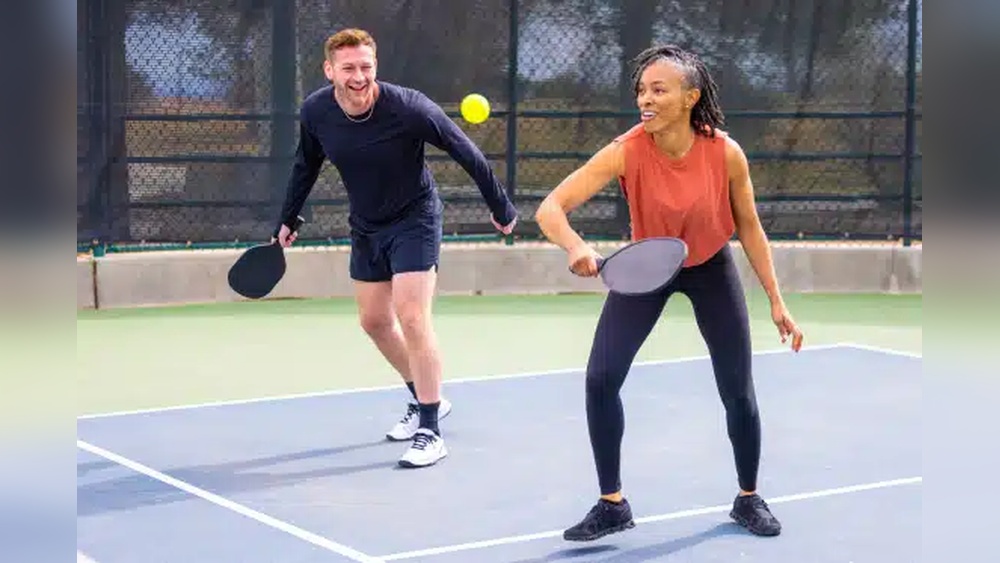
Is Pickleball Hard?
Pickleball is everywhere right now. You see people playing in parks, gyms, and even on TV. But if you’re new to the sport, one big question comes up: Is pickleball hard to learn or play? Many people wonder if it’s easy to get started or if it takes years of practice to enjoy a real game.
Pickleball looks simple from a distance. The court is small, the paddle is light, and the ball is slow compared to tennis. But once you step onto the court, you quickly realize there’s more to it. Some parts are easy, while others can be tricky.
People of all ages and abilities play pickleball, but what makes the game easy or hard depends on several factors.
Let’s take a deep, honest look at what makes pickleball simple for beginners, what challenges you might face, and how you can get better—no matter your starting point. Whether you’re thinking about joining your first game or you’ve hit a few balls already, this guide will help you understand exactly how hard (or easy) pickleball can be.
What Is Pickleball?
Pickleball is a paddle sport that mixes elements of tennis, badminton, and table tennis. It’s played on a small court with a low net. Players use a solid paddle to hit a plastic ball with holes (similar to a wiffle ball) over the net. You can play singles (one-on-one) or doubles (two against two).
The game started in the 1960s in the United States. Now, it’s one of the fastest-growing sports, especially among adults over 50. But more young people and athletes are getting involved every year.
Why People Think Pickleball Is Easy
Pickleball has a reputation as an “easy” sport, especially for beginners. Here’s why:
- Simple Rules: The basic rules are straightforward. You serve underhand, hit the ball back and forth, and try to win points. You don’t need to memorize complex strategies to start.
- Small Court: The court is about one-fourth the size of a tennis court. This means less running and less need for extreme fitness.
- Slow Ball: The plastic ball moves slower than a tennis ball. This gives you more time to react and position yourself.
- Light Paddle: The paddle is light and easy to handle. You don’t need strong wrists or arms to hit the ball well.
- Low Impact: The game is less stressful on joints compared to sports like basketball or tennis. This makes it popular for older adults.
- Welcoming Community: Most pickleball groups are friendly and love to help new players learn.
But even if these things are true, the game is not always as simple as it seems.

Credit: www.paddletek.com
What Makes Pickleball Challenging
While pickleball is beginner-friendly, it has unique challenges that surprise many new players:
Mastering The Kitchen
The “kitchen” (also called the non-volley zone) is a 7-foot area on both sides of the net. You can’t hit the ball out of the air while standing in this area. Many beginners forget this rule or struggle to play shots close to the net without stepping in the kitchen.
Learning good footwork and kitchen strategy is one of the hardest parts for new players.
Dinking And Soft Game
A big part of pickleball is the “dink”—a soft shot that lands in the kitchen. Dinking is about control, not power. Many tennis or racquetball players find this hard at first, as they’re used to hitting hard. Dinking needs patience, hand control, and an understanding of angles.
Fast Reflexes
As you improve and play better opponents, the game gets faster. Quick volleys at the net and sudden changes in ball direction require fast reflexes. Beginners often get caught off guard by the speed of exchanges at higher levels.
Scoring System
The scoring in pickleball is different from most sports. You can only score points when serving. The way doubles scores are called can confuse new players. Learning to keep track of points, servers, and positions takes practice.
Strategy And Positioning
Pickleball is more strategic than it looks. Where you stand, when you move, and how you play shots all matter. Good players win by thinking ahead, not just hitting hard. Beginners often lose points by being out of position or not understanding when to attack or defend.
Physical And Mental Endurance
Even though the court is small, long rallies and games can be tiring—especially in tournaments or hot weather. Staying focused, calm, and energetic is a challenge for all players.
Comparing Pickleball To Other Sports
To really understand if pickleball is hard, let’s compare it to some similar sports.
| Sport | Learning Curve | Physical Demand | Strategy Complexity | Typical Game Length |
|---|---|---|---|---|
| Pickleball | Low to Medium | Moderate | Medium | 10-20 min |
| Tennis | Medium to High | High | High | 30-90 min |
| Table Tennis | Medium | Low | Medium | 5-20 min |
| Badminton | Medium | High | Medium | 10-30 min |
As you can see, pickleball is easier to start than tennis or badminton, mainly because of the smaller court and slower ball. But it still requires some strategy and skill.
The Learning Curve: What To Expect
Pickleball is often called an “easy to learn, hard to master” sport. Here’s what a typical learning journey looks like:
First Time Playing
Most people can hit the ball over the net and play basic rallies on their first day. You’ll pick up the rules after a few games. This quick start is a big reason for pickleball’s popularity.
After A Few Sessions
You’ll start to notice some common mistakes: stepping in the kitchen, missing easy shots, or getting confused about the score. Your basic skills improve fast, but you might struggle with dinks, serves, and volleys.
After A Month
You’ll have a good feel for the game, know the rules, and start using basic strategies. You’ll be able to rally for several shots and play casual games with friends.
After Six Months To A Year
If you play regularly, you’ll develop better control, faster reflexes, and a sense of strategy. You’ll start to win points with placement and soft shots, not just speed. Now, you might notice the gap between casual and serious players.
Moving To Advanced Levels
At higher levels, the game is much faster and more tactical. Advanced players use spin, placement, and teamwork. Here, small mistakes make a big difference. It can take years to reach this level, just like in any sport.
Physical Demands And Fitness
You don’t need to be an athlete to start playing pickleball. Many people who haven’t played sports in years enjoy the game and get fitter while playing. But as you play more, you’ll notice some physical demands.
- Quick footwork: Even though you don’t run far, you make many small, fast steps.
- Hand-eye coordination: Tracking a moving ball and reacting quickly is key.
- Stamina: Long rallies and games can get tiring, especially in tournaments.
- Flexibility and balance: Reaching for shots, bending, and moving sideways are common.
Older adults enjoy pickleball because it offers exercise without high impact. But injuries can still happen, especially if you move too fast or play on slippery courts.
Skills That Matter Most
If you want to get better at pickleball or just play confidently, focus on these key skills:
- Serving Consistently: Good serves start every point and give you an advantage.
- Return of Serve: Placing your return deep makes it harder for your opponent.
- Dinking: Soft, controlled shots in the kitchen keep your opponent off balance.
- Volleys: Quick reflexes help win fast exchanges near the net.
- Footwork: Moving efficiently lets you reach more shots and stay balanced.
- Positioning: Knowing where to stand is as important as how you hit the ball.
- Communication (for doubles): Talking with your partner prevents confusion and lost points.
Most beginners focus too much on hitting hard and not enough on control and positioning. Real improvement comes when you start to value placement over power.
Common Mistakes Beginners Make
Many new players make similar mistakes that make pickleball feel harder than it is. Here are some to watch out for:
- Standing too far back: After serving or returning, move up toward the net.
- Hitting too hard: Power shots are easier to return; soft shots can win points.
- Ignoring the kitchen: The non-volley zone is key to good defense and attack.
- Poor footwork: Flat-footed players miss easy balls.
- Not calling the score: Always announce the score before serving to avoid confusion.
- Overreaching: Stay balanced instead of lunging for every ball.
Fixing these habits early makes the game much easier and more fun.
How Age And Experience Affect Difficulty
One unique thing about pickleball is that people of all ages play together. You’ll find teenagers and seniors playing on the same court. But age and past sports experience do affect how hard you find the game.
If You’re Over 50
Pickleball is designed for you. The small court and slow ball mean you can compete without needing extreme speed or power. Many older players say it’s the first sport where they can play against younger people and still win.
If You’re Young Or Athletic
You’ll pick up the game quickly, especially if you’ve played tennis, badminton, or table tennis. But you may need to “un-learn” the habit of hitting hard and focus more on control.
If You’ve Never Played Sports
The game may feel awkward at first, but don’t let that stop you. Pickleball is welcoming, and you’ll improve with practice. Focus on simple skills like serving and returning.
Equipment: Does Gear Make Pickleball Easier Or Harder?
Your equipment can make a difference, especially as you improve. Here’s what matters:
| Equipment | Beginner-Friendly? | Key Things to Look For |
|---|---|---|
| Paddle | Yes | Weight (lighter for control), grip size |
| Balls | Yes | Outdoor or indoor, quality, hole pattern |
| Shoes | Yes | Non-marking soles, good grip, lateral support |
Beginners sometimes pick the cheapest paddle or use running shoes. Investing in a light, comfortable paddle and proper court shoes can make the game much easier on your body and help you learn faster.
Real Data: How Fast Do People Improve?
Surveys by pickleball associations show that most beginners can play full games after just one or two sessions. According to USA Pickleball, about 70% of new players say they feel comfortable after their first week of play.
One study found that 90% of new players said the game was “easy to learn,” but only 40% felt they played “well” after a month. This shows that while you can start quickly, mastering the skills takes time.
A 2023 report from the Sports & Fitness Industry Association said over 8.9 million Americans played pickleball in 2022, up from 4.8 million the year before. Many of these new players were over 55, showing how accessible the sport is for older adults.
Tips To Make Pickleball Easier
If you want to make your pickleball journey smoother, try these proven tips:
- Take a beginner class: Local clubs and community centers often offer intro sessions.
- Watch games: See how experienced players move and play.
- Practice dinking: Spend time on soft shots near the net, not just hard hits.
- Use proper equipment: A comfortable paddle and shoes help a lot.
- Play with better players: You’ll learn faster by watching and copying them.
- Ask for advice: Most pickleball players love to help newcomers.
- Warm up and stretch: Prevent injuries and play better.
- Focus on fun: Don’t worry about winning at first—just enjoy the game.
Many beginners ignore the value of watching others play. Observing skilled players teaches you movement, positioning, and strategy much faster than just playing alone.

Credit: www.nytimes.com
How To Know When You’re Improving
Improvement in pickleball is not just about winning more games. Here are some signs you’re getting better:
- You keep rallies going longer.
- You make fewer unforced errors (easy mistakes).
- You move more easily and stay balanced.
- You start to “see” where to place the ball, not just hit it back.
- You feel confident calling the score and understanding the rules.
One non-obvious sign: you start to lose to better players by smaller margins, even if you don’t win. This shows your game is rising to meet tougher competition.
Is Pickleball Hard For Children?
Pickleball is great for kids. The small court and light paddles make it easy for children to play. Many schools now include pickleball in physical education classes. Kids learn quickly and often develop good hand-eye coordination from the game.
However, kids may struggle with patience and the soft game. They often want to hit the ball hard, which leads to errors. Teaching children the value of control and accuracy makes the game easier for them.
When Does Pickleball Become Hard?
For most people, pickleball is easy to start but gets harder as you aim for higher skill levels. Here’s when the challenge increases:
- Competitive play: Playing in leagues or tournaments demands more skill and mental focus.
- Facing advanced opponents: Better players will target your weaknesses.
- Learning advanced techniques: Adding spin, controlling pace, and reading opponents take time.
- Physical limits: As you play longer or more intensely, fitness and injury prevention become important.
If your goal is just to have fun and get some exercise, pickleball will likely stay enjoyable and not feel too hard. If you want to be a top player, the game becomes as challenging as you want it to be.
The Social Side: Why Pickleball Feels Easier Together
One reason pickleball feels less intimidating is the social atmosphere. Doubles is the most popular format, so you’re almost always playing with and against other people. This creates a sense of teamwork and support.
Many players say they stay with pickleball because of the friendships and community, not just the sport. When you’re having fun and laughing with others, even mistakes feel less frustrating, and the learning process feels easier.
Two Non-obvious Insights For Beginners
- Movement beats power: Most beginners focus on hitting hard, but the real secret is moving well and placing the ball smartly. If you work on quick, small steps and staying balanced, you’ll win more points—even against stronger players.
- Anticipation is key: Watching your opponent’s paddle and body position helps you predict where the ball will go. This gives you an extra second to react. Most new players only watch the ball, missing these clues.
Is Pickleball Hard? Honest Summary
Pickleball is easy to start, friendly for all ages, and doesn’t require extreme fitness. But like any good sport, it offers real challenges as you improve. The basics are simple, but mastering the soft game, kitchen play, and strategy takes time and practice.
If you want a sport that’s fun from day one, lets you improve steadily, and gives you a chance to compete (or just have fun) at any age, pickleball is a great choice. It’s not “hard” in the way many sports are, but it’s not boring or too easy either.
The game grows with you, offering new goals and skills at every level.
For more on the rules and history of pickleball, you can visit the official USA Pickleball site.
:max_bytes(150000):strip_icc()/how-to-play-pickleball-tips-for-getting-started-5119213_final-bf80f980ffce4deca59039e2d83a1a1a.png "Is Pickleball Hard? Tips to Master the Game Fast")
Credit: www.verywellfit.com
Frequently Asked Questions
What Is The Hardest Part Of Pickleball For Beginners?
Most beginners struggle with the kitchen rules and soft shots (dinking). Learning to control the ball and move well near the net is the biggest challenge at first.
Can You Play Pickleball If You’ve Never Played Sports Before?
Yes, pickleball is very accessible for people with no sports background. The rules are simple, and the community is welcoming. You’ll improve quickly with regular play.
Is Pickleball Physically Demanding?
It can be, especially at higher levels. For casual players, it’s less demanding than tennis or basketball. But you’ll still get a good workout, especially in long games.
How Long Does It Take To Get Good At Pickleball?
Most people can play a basic game after a few sessions. It takes a few months of regular play to become confident and a year or more to reach advanced levels.
Is Pickleball Easier Than Tennis?
For most beginners, yes. Pickleball has a smaller court, slower ball, and lighter paddle, making it easier to start. But mastering advanced skills in pickleball can be just as challenging as in tennis.