
Pickleball is more than just a fun game played on courts across the world. It’s a sport that challenges your body in unique ways, blending elements of tennis, badminton, and ping-pong. As you sprint, swing, and pivot, you may wonder: what muscles does pickleball work? Whether you’re a beginner or a seasoned player, understanding the muscles involved can help you improve your game, prevent injuries, and get more fitness benefits from every match.
Pickleball is not only about hand-eye coordination. It’s a full-body workout that can improve your strength, endurance, and flexibility. Many players are surprised by the range of muscles they feel the day after a competitive game. Knowing which muscles are engaged lets you train smarter, stretch more effectively, and even recover faster.
This guide explores every major muscle group used in pickleball, explains how each is involved, and gives practical tips to target those muscles for better performance.
Muscles Used In Pickleball: The Complete Breakdown
Pickleball may look simple, but it’s a dynamic sport that works your entire body. From quick footwork to strong swings, almost every major muscle group is engaged. Let’s break down the muscles involved and see how each part of your body contributes to every shot.
Lower Body Muscles
Your legs and hips are the foundation of every move in pickleball. They help you move quickly, change directions, and maintain balance.
Quadriceps
The quadriceps are a group of four muscles at the front of your thighs. They extend your knee and help you push off the ground when running, lunging, or jumping. In pickleball, you use your quads every time you:
- Sprint to reach a shot
- Lunge forward for a low ball
- Jump or hop on the court
Players often notice their quads burning after a long rally, especially if the game is fast-paced.
Hamstrings
The hamstrings are on the back of your thighs. They help bend your knee and move your hip backward. Hamstrings are active when you:
- Run backward to cover lobs
- Bend your knees for a ready position
- Push off for a quick change in direction
Tight hamstrings can limit your mobility, so stretching them is important for pickleball players.
Gluteal Muscles
Your glutes (gluteus maximus, medius, and minimus) are the largest muscles in your buttocks. They stabilize your hips and power explosive movements. You rely on your glutes to:
- Push off during sprints
- Maintain balance during lateral (side-to-side) moves
- Generate force for powerful shots
Strong glutes can help you avoid lower back pain and improve your court coverage.
Calves
The calf muscles (gastrocnemius and soleus) lift your heel and help you stay light on your feet. In pickleball, your calves are constantly working as you:
- Stay on your toes in the ready position
- Jump or hop to reach a ball
- Sprint short distances
Fatigue in your calves can affect your speed and agility.
Hip Flexors
Your hip flexors are a group of muscles at the front of your hip. They lift your knee and bend your hip, which is important for:
- Quick forward movements
- Fast starts and stops
- Lunging or crouching low for a dink shot
Weak or tight hip flexors can limit your stride and slow your reaction time.
Adductors And Abductors
The adductors (inner thigh) and abductors (outer thigh) help move your legs toward and away from your body. These muscles are crucial for:
- Quick lateral movements
- Shuffling side-to-side
- Maintaining balance during wide shots
Many players overlook these muscles, but they play a big role in agility and injury prevention.
Core Muscles
A strong core is essential for stability, power, and control in pickleball. Your core muscles connect your upper and lower body, helping you rotate, balance, and transfer energy during every shot.
Rectus Abdominis
The rectus abdominis is the “six-pack” muscle that runs down the front of your abdomen. It helps you:
- Flex your spine when bending forward
- Maintain a stable posture during play
- Generate power in overhead shots
You use your abs more than you might think, especially during quick, sudden movements.
Obliques
The obliques are on the sides of your abdomen. They allow you to twist and rotate your torso. In pickleball, the obliques are used when you:
- Rotate your body for a forehand or backhand swing
- Change direction quickly
- Stabilize during a stretch or lunge
Strong obliques help you hit with more power and control.
Transverse Abdominis
The transverse abdominis is a deep core muscle that wraps around your spine and abdomen like a corset. It supports your lower back and helps stabilize your trunk. This muscle is engaged when you:
- Brace your core for balance
- Maintain good posture during rallies
- Absorb impact from running and jumping
Many beginners don’t realize how much a strong transverse abdominis can reduce injury risk.
Erector Spinae
The erector spinae muscles run along your spine. They help you stand tall, extend your back, and stay upright. These muscles are active when you:
- Reach up for overhead shots
- Maintain an athletic stance
- Recover from low lunges
Neglecting your back muscles can lead to fatigue and poor posture on the court.
Upper Body Muscles
Your arms, shoulders, and upper back are the key to controlling the paddle, generating power, and placing shots accurately.
Deltoids
The deltoids are your main shoulder muscles. They help lift and rotate your arm. In pickleball, you use your deltoids to:
- Swing the paddle for all shots
- Serve and volley at the net
- Reach for high balls
Shoulder strength is crucial for both power and injury prevention.
Rotator Cuff
The rotator cuff is a group of four small muscles that stabilize your shoulder joint. These muscles are especially important during:
- Overhead smashes and serves
- Quick changes in arm direction
- Repetitive swinging motions
Weak rotator cuff muscles can lead to shoulder pain, a common issue for frequent players.
Pectoral Muscles
Your pectorals (chest muscles) help move your arms across your body. These muscles are involved when you:
- Hit forehand shots
- Reach across your body for volleys
- Stabilize the paddle during fast exchanges
A strong chest helps you control the paddle more precisely.
Biceps And Triceps
The biceps (front of the upper arm) and triceps (back of the upper arm) control elbow movement. You use them to:
- Bend and extend your arm during swings
- Control the speed of your shots
- Absorb impact from hard hits
Balanced arm strength supports accuracy and reduces fatigue.
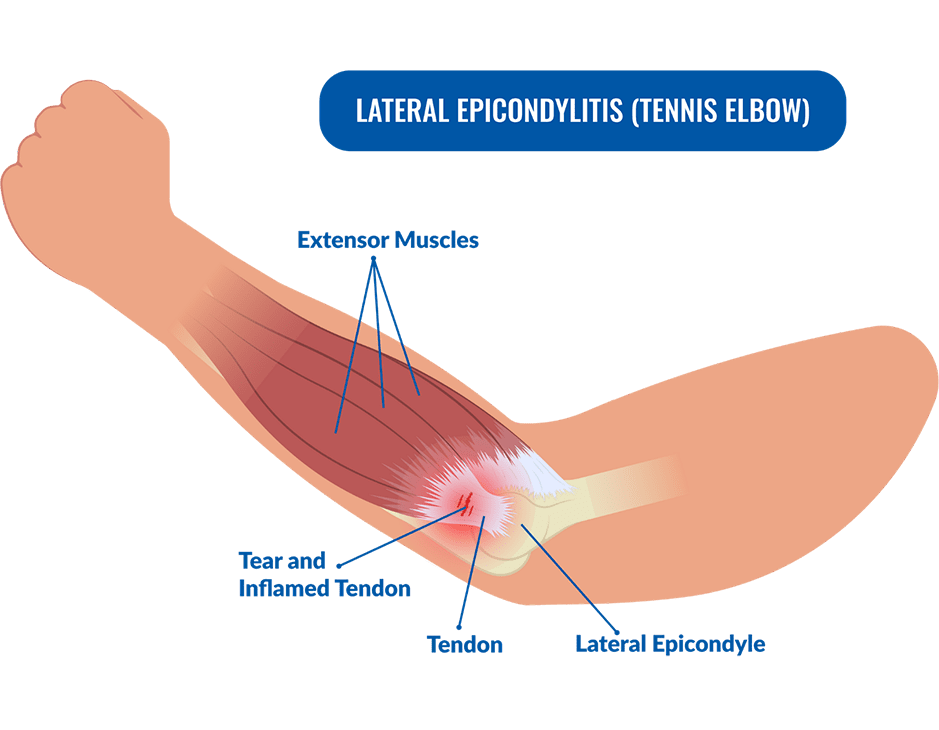
Forearm Muscles
Your forearm muscles grip and control the paddle. These muscles are always working as you:
- Hold the paddle firmly
- Adjust your grip for different shots
- Snap your wrist for spin or speed
Many players notice forearm fatigue during long matches, especially if they use a tight grip.
Upper Back Muscles
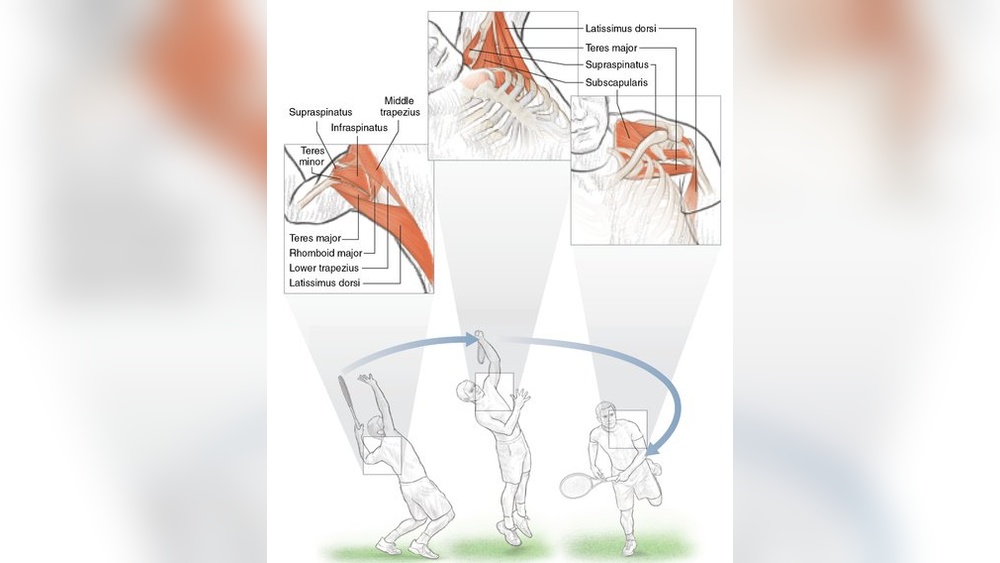
The trapezius, rhomboids, and latissimus dorsi in your upper back help stabilize your shoulder blades and allow you to pull your arm back or down. These muscles are active when you:
- Reach back for a serve
- Swing powerfully during smashes
- Control your posture and balance
Strong upper back muscles also protect your shoulders from overuse injuries.
Pickleball Movements And Muscle Engagement
Pickleball involves many different movements that activate various muscles. Here’s how common actions in the game use your body:
Running And Quick Direction Changes
Pickleball is fast-paced, requiring sudden sprints, stops, and direction changes. These actions use your:
- Quadriceps and hamstrings for forward and backward runs
- Glutes and calves for explosive pushes and stops
- Adductors and abductors for side-to-side shuffles
Players who practice footwork drills often have better endurance and fewer leg injuries.
Swinging The Paddle
Every swing, from a soft dink to a powerful smash, involves coordinated muscle use:
- Deltoids and rotator cuff for arm movement and control
- Pectorals and latissimus dorsi for power in forehand/backhand shots
- Biceps, triceps, and forearms for grip and follow-through
Rotational power comes from the core, especially the obliques.
Reaching And Stretching
Reaching for a ball—whether low, wide, or overhead—uses:
- Core muscles for balance and rotation
- Back and shoulder muscles for extension
- Leg muscles for lunging and recovering
Flexibility in these muscles can improve your reach and reduce injury risk.
Jumping And Lunging
Jumping for an overhead shot or lunging for a drop shot activates:
- Calves and quads for takeoff
- Glutes for stabilization
- Core for balance during and after the movement
Players with strong, flexible legs find these movements easier and less tiring.
Table: Muscles Involved In Key Pickleball Actions
To see how your muscles work together, here is a breakdown of actions and the main muscles engaged:
| Pickleball Action | Primary Muscles Used | Secondary Muscles |
|---|---|---|
| Forehand Swing | Deltoids, Pectorals, Obliques | Biceps, Forearms, Core |
| Backhand Swing | Deltoids, Lats, Obliques | Triceps, Forearms, Core |
| Lunge for Low Shot | Quads, Glutes, Calves | Core, Hip Flexors |
| Overhead Smash | Deltoids, Triceps, Lats | Core, Glutes |
| Side Shuffle | Adductors, Abductors, Calves | Glutes, Core |
Muscle Activation: Pickleball Vs Other Racquet Sports
Some players wonder how pickleball compares to tennis or badminton in terms of muscle use. While all racquet sports use similar muscle groups, there are key differences.
| Muscle Group | Pickleball | Tennis | Badminton |
|---|---|---|---|
| Legs | High (short sprints, lunges) | Very high (longer sprints) | Moderate (quick, light footwork) |
| Core | High (rotation, balance) | High (rotation, power) | High (rotation, speed) |
| Shoulders | High (repetitive swings) | Very high (serves, overheads) | Very high (smashes, clears) |
| Forearms | Moderate (control paddles) | High (racket weight) | High (quick grip changes) |
Pickleball generally involves shorter sprints but more frequent changes of direction, activating stabilizer muscles more often. The lighter paddle means less forearm fatigue compared to tennis, but quick wrist movements are common, especially for dinks and volleys.
Non-obvious Insights: What Most Beginners Miss
1. Stabilizer Muscles Are Constantly Working
Many people focus on the big muscle groups, but stabilizer muscles—like those in your ankles, feet, and deep core—work quietly in the background. These muscles help you balance, change direction, and avoid ankle sprains. Simple exercises like single-leg stands or balance drills can strengthen these often-ignored muscles.
2. Grip Strength Matters More Than You Think
Your forearm and hand muscles are under continuous tension. If your grip is weak, your shots lose power, and your hand tires quickly. Off-court exercises like squeezing a tennis ball or using grip trainers can make a noticeable difference in your control and endurance.
3. Posture And Back Health
Pickleball’s ready position often puts you in a semi-crouched stance. If your erector spinae and core are weak, you’ll feel back fatigue quickly. Many players only realize this after a few games. Adding back extensions and planks to your fitness routine helps keep your posture strong and reduces the risk of lower back pain.
4. Asymmetrical Muscle Development
Since pickleball is often played with one dominant hand, you may develop muscle imbalances between your left and right sides. This can lead to shoulder or back pain over time. Cross-training or doing specific exercises with your non-dominant arm can help maintain muscle balance.
5. Foot Muscles And Agility
Quick starts and stops put a lot of stress on the small muscles in your feet. Weak foot muscles can lead to slower reaction times and even plantar fasciitis. Try barefoot exercises or toe curls to strengthen your feet for better court performance.
Injury Prevention And Muscle Care
Understanding which muscles pickleball works helps you prevent injuries and recover faster. Here’s how to take care of your body:
- Warm up before playing: Light jogging, dynamic stretches, and arm circles prepare your muscles.
- Stretch after games: Focus on your legs, hips, shoulders, and forearms.
- Strengthen weak areas: If you notice fatigue or soreness in a specific muscle, add targeted exercises to your routine.
- Rest and recover: Give your muscles time to repair with rest days and good sleep.
- Cross-train: Activities like swimming, cycling, or yoga can reduce muscle imbalances and improve overall fitness.
Credit: www.coreorthosports.com
Table: Sample Muscle-focused Warm-up Routine
A smart warm-up can activate all the major muscles used in pickleball.
| Exercise | Muscles Targeted | Recommended Reps/Time |
|---|---|---|
| High Knees | Hip flexors, quads, calves | 30 seconds |
| Arm Circles | Deltoids, rotator cuff | 20 circles each way |
| Side Lunges | Adductors, abductors, glutes | 10 each side |
| Torso Twists | Obliques, core | 20 twists |
| Ankle Hops | Calves, foot muscles | 30 seconds |
Warming up these muscle groups helps you perform better and lowers your risk of injury.
How To Train Muscles For Pickleball Performance
If you want to get better at pickleball, focus your training on the muscles you use most.
- Leg Strength: Squats, lunges, and calf raises build power for quick movements.
- Core Stability: Planks, Russian twists, and medicine ball throws improve your rotation and balance.
- Shoulder and Arm Strength: Resistance band exercises, push-ups, and lightweight dumbbell swings support your paddle control.
- Forearm and Grip: Wrist curls, grip trainers, or squeezing a stress ball increase endurance for long games.
- Flexibility: Yoga or dynamic stretching keeps your muscles loose and reduces stiffness.
Remember, balanced training helps you avoid injuries and keeps your body ready for every match.
Credit: approvedscience.com
The Bottom Line: Muscles And Pickleball Success
Pickleball is a powerful full-body workout. Every game uses your legs, core, shoulders, arms, and even the small muscles in your feet and hands. Understanding which muscles are engaged lets you train smarter, recover faster, and play at your best. Whether you’re playing for fun or competition, paying attention to muscle care will keep you on the court—and out of the doctor’s office.
For more about how racquet sports affect your body, you can check this Racquet sport resource.
Frequently Asked Questions
What Are The Main Muscles Used In Pickleball?
The main muscles used in pickleball are the quadriceps, glutes, calves, core muscles (including abs and obliques), deltoids, rotator cuff, pectorals, biceps, triceps, and forearm muscles. These muscles work together to help you move, swing, and control the paddle.
Is Pickleball A Good Workout For The Whole Body?
Yes, pickleball provides a full-body workout. It strengthens your legs, core, arms, shoulders, and even small stabilizer muscles. The game also improves cardiovascular fitness, flexibility, and coordination.
How Can I Prevent Muscle Injuries In Pickleball?
To prevent muscle injuries, warm up before you play, stretch after games, and include strength and flexibility training in your routine. Pay attention to any muscle imbalances, and give your body enough rest between games.
Why Do My Legs And Shoulders Get Sore After Pickleball?
Soreness in your legs and shoulders comes from repetitive movements and the use of muscles like the quads, glutes, deltoids, and rotator cuff. These muscles are constantly working during running, swinging, and quick changes in direction.
Do I Need To Lift Weights To Get Better At Pickleball?
While you don’t have to lift heavy weights, strength training can help you improve your pickleball performance. Focus on bodyweight exercises, resistance bands, or light dumbbells for the main muscles used in the sport. This will improve your power, control, and injury resistance.

Credit: ppatour.com