
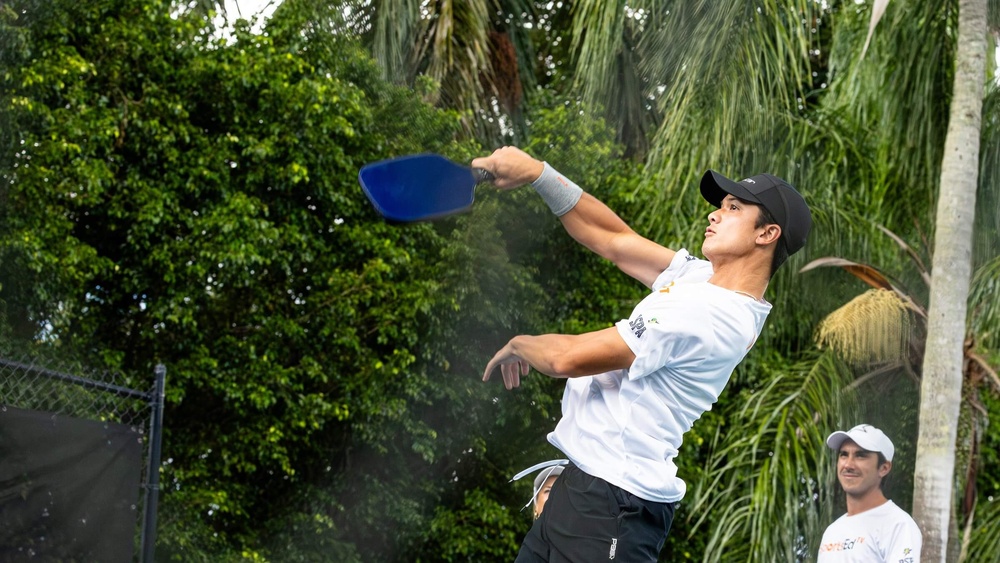
Playing pickleball outdoors feels great. The sun is shining, you hear the ball bounce, and you enjoy the fresh air. But then the wind picks up. Suddenly, every shot is unpredictable. Serves fly out, dinks drift, and you wonder: How much wind is too much for pickleball? This question matters for all players—beginners, regulars, and even pros. The answer isn’t simple, but understanding wind’s effects can help you play smarter and avoid frustration.
Pickleball is unique. The ball is light, the paddle is solid, and outdoor courts are common. These factors mean wind can change the game more than in tennis or badminton. Knowing when wind makes play impossible, and how to adjust when it’s just “tough,” can help you make better decisions.
Let’s explore how wind speed affects pickleball, what “too much” really means, and how to handle those gusty days.
How Wind Impacts Pickleball
Wind can turn a regular pickleball match into a true test of skill and patience. The pickleball ball is made of hard plastic with holes, weighing around 0.88 ounces (25 grams). This makes it much lighter than a tennis ball. Even a gentle breeze can move it off course.
Wind And Ball Flight
When wind blows across the court, the ball may:
- Drift sideways, making shots curve or float
- Slow down or speed up, changing timing
- Drop quickly or “hang” in the air
For example, a 10 mph wind can push the ball several feet during a lob. Smashes that feel perfect may go long or get knocked down. Dinks (soft shots near the net) are especially tricky—wind can lift them too high or blow them into the net.
Player Movement And Footing
Strong wind doesn’t just affect the ball. It can also:
- Throw off your balance, especially during quick footwork
- Make it harder to judge distances and timing
- Force you to adjust your stance more often
On windy days, you may find yourself running more, reaching for balls you thought were safe, or even feeling unsteady during serves.
Effect On Different Skill Levels
Wind affects everyone, but not equally. Beginners often struggle more because their shots are less consistent. Pros know how to adjust, but even they face challenges in high wind. For many, the line between “playable” and “not worth it” depends on experience, patience, and goals for the day.
Understanding Wind Speed: What’s Playable?
So, how much wind is too much for pickleball? Let’s use real numbers. Wind is measured in miles per hour (mph) or kilometers per hour (kph). Here’s how wind speeds usually affect outdoor pickleball.
| Wind Speed (mph) | Effect on Pickleball | Is Playable? |
|---|---|---|
| 0-5 mph | Almost no effect. Ball moves true. Easy to adjust. | Yes |
| 6-10 mph | Noticeable drift. Dinks, serves, and lobs need adjustment. | Yes, with minor adjustments |
| 11-15 mph | Shots curve. Lobs are risky. Harder to judge direction and speed. | Playable, but challenging |
| 16-20 mph | Major impact. Many shots go out or into net. Footwork is tough. | Borderline—often not fun for most |
| 21+ mph | Serious disruption. Rallies break down. Hard to control ball at all. | No—usually too much wind |
Wind is rarely steady. Gusts (sudden strong bursts) can be worse than a constant breeze. If the wind is gusty, it often feels “too much” even at lower speeds.
When Is Wind “too Much”? Factors To Consider
There’s no official rule about wind limits for pickleball. But experience and data suggest that around 15 mph is a key threshold. Here’s why:
- Above 15 mph, rallies get very short. Dinks and lobs become guesswork, not skill. Most players lose control over where the ball goes.
- At 20 mph or more, even strong players struggle to serve, volley, or hit accurately. Balls blow sideways, and games lose their normal rhythm.
- Wind direction matters. Wind directly in your face or at your back is easier to manage than wind blowing across the court.
- Gusts (sudden changes) are worse than steady wind. A 10 mph breeze with 20 mph gusts is hard to play in.
As a rule of thumb, if you must use extra force just to keep the ball in, or you can’t predict where your shot will land, it’s probably too windy.
Comparing Pickleball To Other Sports
How does wind impact pickleball compared to tennis or badminton? The answer helps show why “too much wind” comes earlier for pickleball.
| Sport | Ball/Shuttle Weight | Typical Wind Tolerance |
|---|---|---|
| Pickleball | ~0.88 oz (25 g) | Up to 15 mph |
| Tennis | ~2.0 oz (57 g) | Up to 20+ mph |
| Badminton | ~0.17 oz (5 g, shuttlecock) | 5-7 mph (usually played indoors) |
| Table Tennis | ~0.08 oz (2.7 g) | 3-5 mph (always indoors) |
Pickleball balls are lighter than tennis balls, but heavier than badminton shuttlecocks or table tennis balls. However, the holes in pickleballs catch the wind, making them unpredictable. That’s why wind over 15 mph is often “too much,” while tennis can be played in higher winds, and badminton moves indoors with even a slight breeze.
Real-world Examples: What Players Experience
Let’s look at what happens in real games. Many outdoor pickleball tournaments set up wind screens or play early in the morning to avoid wind. But sometimes, conditions can’t be controlled.
- At 8 mph: Most players notice the wind, but games are fair. You may need to aim a little differently, but rallies look normal.
- At 12 mph: Dinks near the net can float or fall short. Lobs often go out. Players argue if shots were skillful or just lucky.
- At 18 mph: Points are won on errors, not skill. Players often say, “Let’s just have fun” or switch to drills instead of matches.
- At 22 mph: Balls blow off the court during rallies. Most players quit or move indoors.
Some advanced players use the wind as a challenge. They practice “wind shots,” aiming to control the ball in tough conditions. For most, though, the fun disappears above 15-20 mph.
How To Measure Wind For Pickleball
You don’t need fancy equipment, but knowing the wind speed helps you decide if it’s worth playing.
- Weather apps: Most smartphones show local wind speed. Check the forecast before heading out.
- Handheld anemometers: These small devices measure wind speed directly on the court. They cost $15–$30 and give accurate readings.
- Flags and trees: If small branches move, wind is around 8–12 mph. If larger branches sway, it’s probably 15 mph or higher.
- Personal feel: If you feel a steady push, it’s likely over 10 mph. If you struggle to walk straight, it’s above 20 mph.
Don’t forget: wind can change quickly. What starts as a light breeze can become a tough gust in minutes.
Credit: www.pb5star.com
Tips For Playing Pickleball In Windy Conditions
Sometimes you want to play anyway. Maybe it’s a tournament, or you just don’t want to miss your weekly game. Here’s how to improve your odds when the wind picks up.
1. Adjust Your Shots
- Hit lower over the net. High shots get caught by the wind more easily.
- Add spin to your shots. Topspin can help keep the ball down and predictable.
- Shorten your backswing. Big swings are harder to control in the wind.
2. Watch The Ball Closely
Wind can change the ball’s path at the last second. Watch the ball all the way to your paddle and adjust your swing if needed.
3. Use The Wind To Your Advantage
- If you’re hitting with the wind, keep shots low and use less power.
- If you’re hitting against the wind, hit harder and aim higher to get the ball over the net.
- If the wind is sideways, aim “into” the wind so it carries your shot back to the court.
4. Focus On Footwork And Balance
Stay light on your feet. Be ready to move in any direction—especially for balls that drift at the last second. Keep your knees slightly bent for better stability.
5. Communicate With Your Partner
If you play doubles, talk about who will take tricky shots. The wind can push balls to the middle or the sidelines, so be ready to switch roles quickly.
6. Accept Mistakes
Windy games have more errors. Focus on fun, not perfection. Even pros miss easy shots in gusty conditions.
7. Choose The Right Ball
Some outdoor pickleballs are heavier or have smaller holes, making them a little less affected by wind. Try brands like Onix Fuse G2 or Franklin X-40 for windy days.
When To Cancel Or Postpone A Game
Safety and enjoyment matter. If wind is above 20 mph, most games become frustrating or even risky. Balls can fly into faces, and players may slip or trip. If you see tree branches swaying hard, or balls blowing off the court, it’s smart to stop.
Some clubs have wind policies—if wind is over a set speed, matches are postponed. If you play casually, agree with your group on what’s “too much.” Remember: sometimes the best play is to wait for calmer weather.
How Tournament Organizers Handle Wind
Official pickleball tournaments almost never stop play for wind alone. However, they may:
- Use wind screens on fences to reduce gusts
- Schedule matches for mornings or evenings when wind is lighter
- Allow extra warm-up time for players to adjust
- Move play indoors if possible
In rare cases, if wind is so strong that play is unsafe or unfair, matches may be delayed or rescheduled. If you plan to play in an outdoor tournament, check the weather forecast and prepare for anything.
Wind And Court Design
Some outdoor courts are built with wind in mind. Common features include:
- Wind screens (dark fabric or mesh on fences)
- Trees or hedges planted as windbreaks
- Court orientation (aligning courts with prevailing winds, so wind is at your back or face, not across the court)
If you often play in a windy area, these features can make a big difference. Still, no design can block all wind—so knowing how to adjust is always useful.
Non-obvious Insights Most Players Miss
Many beginners think all wind is bad. But controlled wind (under 10 mph) can actually make you a better player. It forces you to focus, adjust, and learn new skills. Practicing in light wind helps you stay calm during tournaments, where a breeze is common.
Another overlooked detail: playing “with” the wind is not always easier. Fast shots can sail long, and soft shots can blow wide. Sometimes, playing “against” the wind gives you more control, especially on dinks and drops. Experienced players often choose to start on the “bad side” to finish the game with the wind at their backs.
Common Mistakes In Windy Pickleball
- Over-hitting: Trying to “fight” the wind with more power often sends balls out of bounds.
- Ignoring wind direction: Not adjusting aim or shot type for the wind leads to easy errors.
- Standing still: Wind moves the ball at the last moment. Always be ready to move your feet.
- Frustration: Getting upset by missed shots makes it harder to adjust. Stay relaxed and accept that wind is part of the outdoor game.
Pickleball Balls And Wind Resistance
Are some balls better in the wind? Yes, but the difference is small. Outdoor balls have smaller holes and are slightly heavier than indoor balls. The most popular outdoor balls, like the Franklin X-40 or Dura Fast 40, are both used in tournaments. The X-40 is known to be a bit less “floaty” than the Dura, but both will move in strong wind. Switching balls can help, but don’t expect miracles above 15 mph.
Deciding: Should You Play Or Not?
Ask yourself:
- Is the wind steady or gusty?
- Can you and your group have fun even with extra errors?
- Is it safe to play, or are balls flying unpredictably?
- Are others on the courts enjoying themselves, or leaving frustrated?
If most answers point to “no,” it’s okay to skip today and play when conditions are better.

Credit: heliospickleball.com
Strategies For Practice In Wind
If you want to improve your wind game, practice specific shots:
- Deep serves into the wind, using more power and spin
- Soft dinks with and against the wind
- Angle shots when wind is blowing sideways
Record your practice. Watching video helps you see how your shots change in the wind. Over time, you’ll learn to “read” the wind and adjust faster.
When Indoor Play Makes Sense
If you live in a windy area, look for indoor pickleball options. Indoor courts have no wind, so games are consistent and fair. Many clubs offer both indoor and outdoor play. On very windy days, indoor courts fill up quickly—so reserve your spot early.

Credit: www.reddit.com
The Bottom Line: Wind Limits For Pickleball
Every player has their own “too much wind” limit. For most, over 15 mph makes pickleball more frustrating than fun. Above 20 mph, it’s usually best to wait or find an indoor court. Learn to adjust to light wind, but don’t be afraid to call it off when games stop being enjoyable or safe.
Wind is part of outdoor pickleball. With practice, you can manage it up to a point. Know your limits, communicate with your partners, and always put safety and enjoyment first.
Frequently Asked Questions
What Wind Speed Is Considered Too Much For Pickleball?
Most players find that wind over 15 mph makes pickleball very difficult. Above 20 mph, control is poor, rallies are short, and games are rarely enjoyable. Gusty wind can make even lower speeds feel “too much.”
Are Some Pickleballs Better For Windy Conditions?
Yes. Outdoor balls with smaller holes, like the Franklin X-40 or Onix Fuse G2, handle wind slightly better. However, no ball plays “normally” in strong wind. The difference is small but can help in moderate wind.
Can You Play Pickleball Tournaments In The Wind?
Most outdoor tournaments continue in wind up to 15–20 mph. Organizers may use wind screens or reschedule if conditions are extreme. Always check tournament rules and the weather forecast before you play.
How Can I Adjust My Game For Windy Conditions?
Hit lower over the net, use more spin, and shorten your swing. Watch the ball closely and move your feet. Aim “into” the wind when it blows sideways. Accept more errors, and focus on fun and learning.
Where Can I Find More Data About Wind And Sports?
For more detail on wind and sports, see the Wikipedia page on Wind. It covers wind speeds, measurement, and effects in various outdoor activities.
Pickleball in the wind is a challenge, but also an opportunity to improve. Know your limits, adjust your strategy, and you’ll enjoy the game in almost any weather.