
Pickleball Vs Platform Tennis: An In-depth Comparison
Pickleball and platform tennis are both fast-growing racquet sports that bring people together in fun, social, and competitive ways. While they may look similar at first glance—small courts, paddles, and a net—their differences are significant. Choosing the right sport for you or your community means understanding more than just the basic rules.
It’s about the courts, equipment, gameplay, skill levels, and even the social scenes that come with each one.
Let’s explore how pickleball and platform tennis compare across every key factor. Whether you’re a curious beginner, a tennis player looking for a new challenge, or someone trying to pick the right game for your lifestyle, this guide will help you make an informed choice.
What Are Pickleball And Platform Tennis?
Both sports use paddles and balls, but the style, atmosphere, and history of each are unique.
Pickleball began in the US in the 1960s as a backyard game. It mixes elements of tennis, badminton, and ping pong. Today, it is a major recreational sport for all ages, known for its easy learning curve and friendly community.
Platform tennis (sometimes called “paddle tennis” in the US, though that can mean other sports elsewhere) started in the 1920s in New York. It was designed to be played outdoors in winter, on courts with wire fencing and heated platforms. The game is especially popular in the northeastern US, often in country clubs, and has a dedicated following.
Court Size And Surface
The court is one of the first things you’ll notice when comparing these sports.
| Sport | Court Size | Surface | Net Height | Outdoor/Indoor |
|---|---|---|---|---|
| Pickleball | 20 x 44 feet | Hardcourt (asphalt, concrete) | 34 in (center) | Both |
| Platform Tennis | 20 x 44 feet | Raised aluminum deck, grit surface, surrounded by 12-ft fence | 34 in (center) | Mainly outdoor, heated for winter |
Key Insight: The court dimensions for both are nearly identical, but platform tennis is always played on a raised, heated court with wire screens. These screens are not just barriers—they are part of the game, as balls can bounce off them and stay in play.
Pickleball courts are simple, flat, and can be found indoors or outdoors. Many cities have repurposed tennis courts for pickleball, increasing accessibility.
Credit: www.pickleheads.com
Equipment Differences
The gear used in each sport can make a big difference in how the game feels.
| Sport | Paddle | Ball | Other Gear |
|---|---|---|---|
| Pickleball | Composite or graphite, solid face, up to 17” long | Plastic, with holes, 0.8–1 oz | Sneakers, standard sportswear |
| Platform Tennis | Perforated paddle, solid foam core, max 18” long | Rubber, spongy, 2.5 oz | Gloves (for grip), warm clothing |
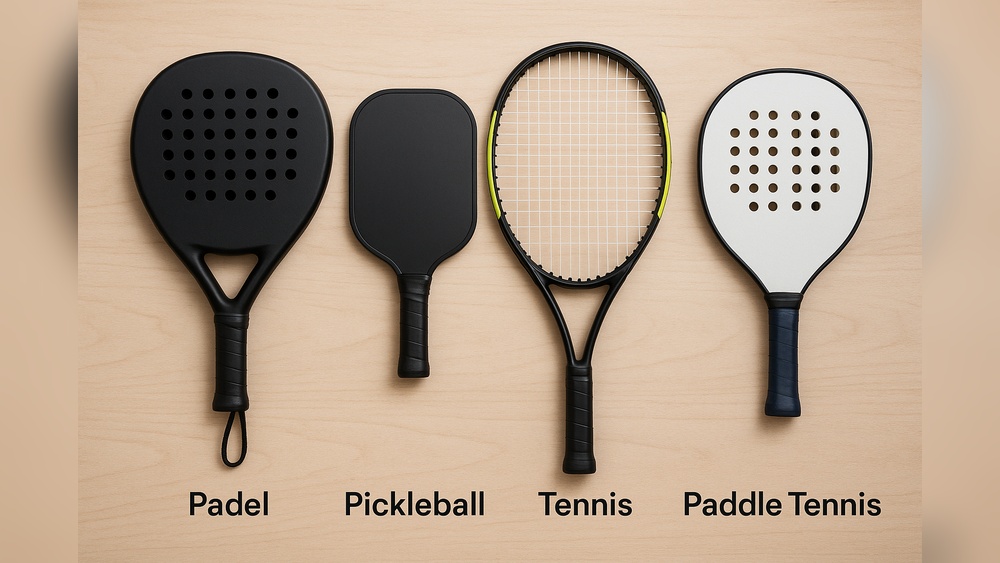
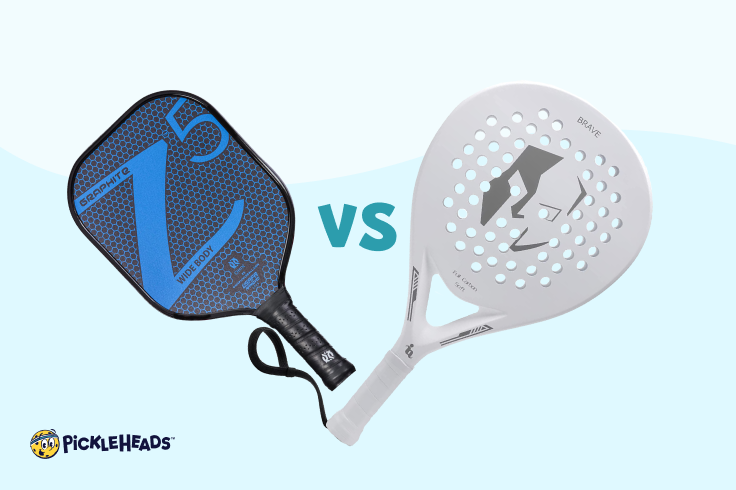
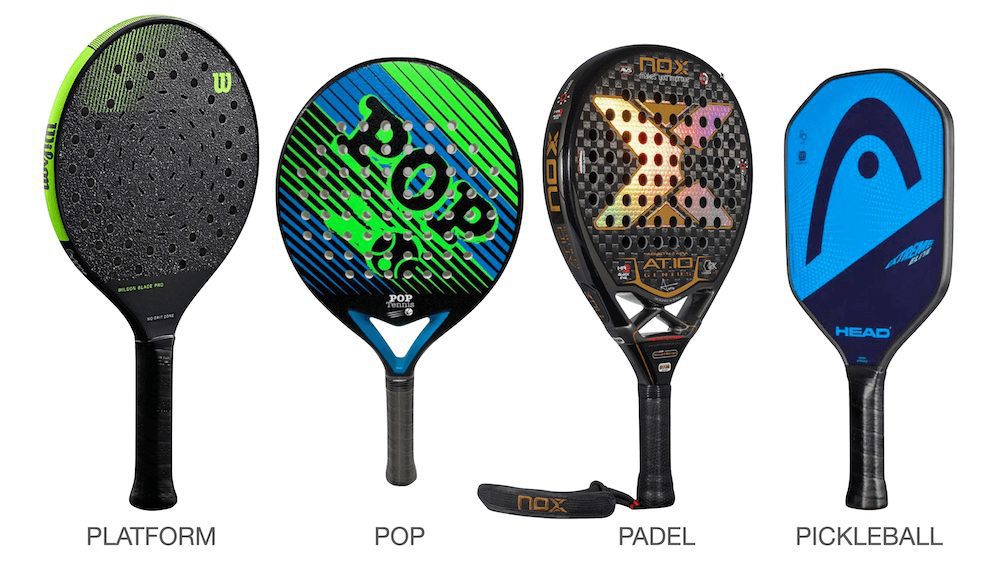
Pickleball paddles are lightweight, easy to swing, and have no strings. Platform tennis paddles are heavier, with a distinctive perforated surface that adds spin and control, which is vital for the unique shots in the game.
The pickleball ball is light, hollow, and has holes—think of a larger, heavier wiffle ball. Platform tennis uses a small, dense rubber ball, similar in size to a tennis ball but softer.
Non-obvious tip: Many beginners overlook the importance of paddle grip size. Using the wrong grip can cause blisters or even wrist pain, so try different handles before buying.
Rules And Scoring
Both games are usually played as doubles, but the rules and scoring are quite different.
Pickleball Rules
- Serve underhand, diagonally, with both feet behind the baseline.
- The ball must bounce once on each side after the serve (the “two-bounce rule”).
- After these first bounces, players can volley or play off the bounce.
- Only the serving team can score points.
- Games are usually played to 11 points, must win by 2.
Platform Tennis Rules
- Serve overhead or underhand, with one serve allowed per point (except in tournaments, where two serves may be given).
- The ball can be played off the wire screens (except on the serve).
- After the serve, volleys and groundstrokes are allowed.
- Both teams can score, using “no-ad” scoring (first to 4 points wins a game).
- Matches are usually best of 3 sets, like tennis.
Important difference: In platform tennis, the ball can bounce off the screens and still be played, adding a unique tactical layer. Many first-timers forget to use the screens, missing out on creative shots and defensive saves.
Gameplay Experience
Pace And Physical Demands
- Pickleball is known for its short, fast rallies. Points are often decided within a few shots, especially among beginners. The game is less physically demanding than tennis, with less running.
- Platform tennis is more intense. The use of screens keeps rallies going longer and requires quick reflexes, lateral movement, and tactical use of space. The court surface is gritty, which can be hard on the legs over time.
Weather And Season
- Pickleball can be played year-round, indoors or outdoors.
- Platform tennis is designed for winter, with heated courts that melt snow and keep the surface playable. Playing in cold weather is part of the culture—players often wear gloves and layered clothing.
Skill And Learning Curve
- Pickleball is famous for its easy learning curve. Most beginners can rally and enjoy the game within minutes. Mastery, especially in doubles strategy, comes later.
- Platform tennis has a steeper learning curve, mainly due to the screens and the heavier paddle. Getting used to playing balls off the wire can take time, but it adds depth and excitement for advanced players.
Insight: Many new platform tennis players hit balls too hard, expecting them to fly out. But the dense ball and screen bounce keep play alive, rewarding softer touch and smart placement.
Social Scene And Community
One of the biggest draws for both sports is the social atmosphere.
- Pickleball is inclusive and popular across ages, especially among retirees and community groups. Many public parks offer drop-in sessions, making it easy to meet new players.
- Platform tennis has a club culture. Matches are often organized in leagues or ladders, with post-game socializing (hot drinks, fireside gatherings) as a key part of the experience.
Accessibility
- Pickleball is more accessible overall. You’ll find courts in city parks, rec centers, and even cruise ships. Equipment is affordable, and you don’t need to join a club.
- Platform tennis courts are less common and usually require club membership. In the US, the Northeast and Midwest have the most active platform tennis communities.
Popularity And Growth
Pickleball has exploded in popularity in recent years. According to the Sports & Fitness Industry Association (SFIA), pickleball is the fastest-growing sport in the United States, with over 8.9 million players in 2023. Courts are popping up everywhere, including schools and retirement communities.
Platform tennis, while smaller, has a loyal base. The American Platform Tennis Association (APTA) estimates around 30,000 regular players in the US. Its growth is steady but limited by the need for specialized courts.
Key takeaway: If you want a sport with massive participation and easy access, pickleball is the clear winner. If you prefer a tight-knit, competitive club environment, platform tennis shines.
Cost To Get Started
The cost of each sport depends on location, equipment, and court access.
Pickleball
- Paddle: $40–$200
- Balls (set of 4): $10–$15
- Shoes: $50–$120 (court shoes recommended)
- Court fees: Free in many public parks; private clubs may charge $5–$15 per session
Platform Tennis
- Paddle: $80–$250
- Balls (set of 2): $10–$15
- Gloves: $10–$30
- Shoes: $80–$150 (outdoor, grippy soles)
- Court fees: Usually require club membership ($300–$1000+ per year); guest fees may apply
Non-obvious insight: The recurring cost in platform tennis is the club membership, not the gear. In pickleball, gear is cheaper, but investing in good shoes is important to prevent injuries.
Health Benefits
Both sports are excellent for fitness but offer slightly different benefits.
- Pickleball helps with agility, coordination, and cardiovascular health. Because rallies are short and the court is small, it’s low impact and friendly for older adults or those with joint issues.
- Platform tennis is more intense, building quick reflexes, footwork, and upper body strength. Playing outside in winter also burns more calories as your body works to stay warm.
A study in the *International Journal of Research in Exercise Physiology* found that a 30-minute game of pickleball can burn around 350 calories for a 150-pound person. Platform tennis, with its longer rallies and colder conditions, can burn even more.
Tip: Always warm up before playing platform tennis in cold weather. Muscles are stiffer in the cold, which increases the risk of strains.
Strategy And Tactics
While both sports reward quick hands and smart movement, their tactics are very different.
- In pickleball, placement and patience often win over power. The “kitchen” (no-volley zone near the net) forces players to use soft dinks and lobs.
- In platform tennis, controlling the net is key, but the screens mean defense can quickly turn into offense. Players use the screens to reset points and surprise opponents.
Doubles Vs Singles
Both sports are played mostly as doubles, but singles is also possible.
- Pickleball singles is more physically demanding and less common at the recreational level.
- Platform tennis singles is rare, as the game’s tactics are built around team play and covering the screens.

Credit: www.dupr.com
Weather, Clothing, And Comfort
Pickleball
- Best played in mild weather or indoors
- Light, breathable clothing
- Sunscreen and hats for outdoor play
Platform Tennis
- Designed for cold, wet conditions
- Warm, layered clothing and gloves
- Thermal socks and hats common
Unique feature: Platform tennis courts are heated from below, melting snow and keeping the surface dry. This makes winter play possible, but you’ll need to dress for the cold.
Injuries And Safety
Pickleball is considered low risk for most players, but ankle sprains and shoulder injuries can occur if you don’t use proper footwear or technique.
Platform tennis, with its gritty surface and faster pace, can lead to more falls or abrasions. The cold weather also increases the risk of muscle injuries.
Safety tip: In platform tennis, use gloves for grip and to keep hands warm. In pickleball, take time to learn safe footwork, especially for lateral movement.
Which Is Right For You?
Choosing between pickleball and platform tennis comes down to your goals, location, and preferences.
- If you want a social, easy-to-learn sport with widespread access, pickleball is ideal.
- If you love competition, winter play, and creative strategy, platform tennis offers a unique challenge.
- Your local area’s court availability may be the deciding factor—pickleball courts are everywhere, while platform tennis courts are often found only in private clubs.
Direct Comparison: Pickleball Vs Platform Tennis
To help you see the differences at a glance, here’s a direct side-by-side comparison:
| Feature | Pickleball | Platform Tennis |
|---|---|---|
| Origin | 1960s, USA | 1920s, USA |
| Typical Setting | Parks, gyms | Clubs, outdoors |
| Season | All year | Mainly winter |
| Learning Curve | Gentle | Moderate |
| Number of Players | 2 or 4 | 2 or 4 |
| Use of Screens | No | Yes |
| Common Demographics | All ages, beginners | Adults, club players |
| Cost | Low | Medium–High |
| Popularity (USA) | 8.9+ million | ~30,000 |
Credit: www.minterdial.com
Making The Transition: Switching Between Sports
If you already play one sport, can you easily switch to the other?
- Pickleball to platform tennis: You’ll need to adjust to the heavier paddle and learn to use the screens. Expect longer rallies and a faster pace.
- Platform tennis to pickleball: The softer paddle and lighter ball will feel different, and you’ll need to adapt to the “kitchen” rules. However, your reflexes and net skills will transfer well.
Advice: Many players enjoy both sports for variety, especially in regions with cold winters and warm summers.
Notable Tournaments And Professional Play
- Pickleball has the US Open Pickleball Championships and several pro tours, with TV coverage and prize money.
- Platform tennis has the APTA National Championships and active league play, mainly in the Northeast and Midwest.
While professional pickleball is growing fast, platform tennis remains more amateur-focused, with a strong tradition of club and league competition.
The Future: Trends And Developments
Pickleball’s rapid growth means more cities are building courts and hosting tournaments. The sport is even being considered for inclusion in future Olympic Games. Major brands and celebrities are investing in pro leagues.
Platform tennis, while smaller, is seeing steady investment in club facilities and junior programs. Technology improvements in paddle and court design continue to attract new fans.
For more detailed statistics, visit the Wikipedia page on Pickleball.
Frequently Asked Questions
What Is The Main Difference Between Pickleball And Platform Tennis?
The main difference is in how the game is played. Pickleball is played on a hard surface with a light plastic ball and does not use screens. Platform tennis is played on a raised, heated court with wire screens, and players can play balls off these screens, making for longer, more complex rallies.
Can You Play Pickleball On A Platform Tennis Court?
It’s possible but not ideal. The surfaces are different—platform tennis courts are gritty and raised, with screens that interfere with pickleball rules. Pickleball works best on smooth, flat hardcourts designed for its unique bounce.
Which Sport Is Better For Beginners?
Pickleball is generally better for beginners. The rules are simple, the learning curve is gentle, and it’s easy to find a court or community group. Platform tennis can be more challenging at first, especially mastering play off the screens.
Is Platform Tennis Only Played In Winter?
Platform tennis is designed for winter, with heated courts that melt snow. However, in some areas, people play year-round, especially where clubs have invested in court maintenance and lighting.
Are There Professional Leagues For Both Sports?
Pickleball has several professional leagues and tournaments, including the US Open Pickleball Championships. Platform tennis is more focused on amateur and club competition, with national championships organized by the APTA, but professional play is limited.
Both pickleball and platform tennis offer fun, fitness, and social connections. Whether you prefer the fast-paced rallies and club culture of platform tennis or the easy access and welcoming community of pickleball, there’s a place for everyone on the court.
Try both if you can—your new favorite sport might surprise you.