
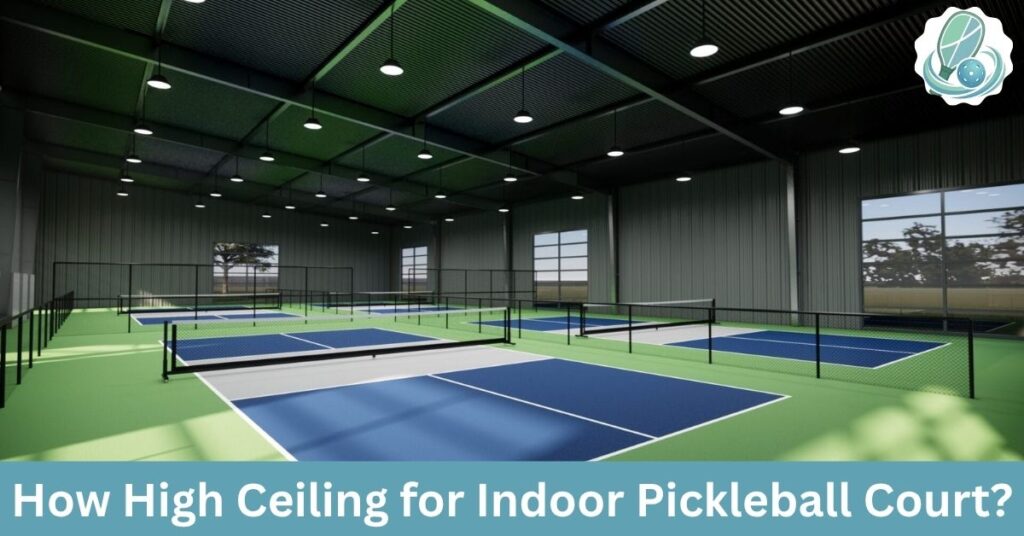
When you’re setting up an indoor pickleball court, one question pops up fast: how high should the ceiling be? The height of your ceiling can make or break your game experience.
Too low, and you’ll find yourself constantly ducking or missing high shots. Too high, and you might struggle with lighting and acoustics. Getting this right means you can play without limits, enjoy every rally, and avoid frustrating interruptions. You’ll discover exactly how high your ceiling needs to be for the best indoor pickleball action.
Stick around—you’ll learn tips that can transform your court into a player’s paradise.

Credit: pickleragefranchise.com
Ceiling Height Basics
Ceiling height plays a key role in designing an indoor pickleball court. It affects player movement and game quality. Understanding the basics helps ensure a good playing experience. This section covers the standard ceiling heights and explains why ceiling height matters.
Standard Ceiling Heights
Most indoor pickleball courts have ceilings between 18 to 25 feet high. This range allows enough space for high shots and lobs. Some sports facilities have even higher ceilings to avoid interference with play. Lower ceilings can cause players to hit the ceiling, disrupting the game.
In multi-purpose gyms, ceiling heights vary. Dedicated pickleball courts tend to have taller ceilings. The height depends on available space and building design. A good rule is to keep ceilings at least 18 feet high.
Why Ceiling Height Matters
Ceiling height impacts ball flight and player safety. Low ceilings can block the ball during high shots. Players may have to change their playing style or risk hitting the ceiling. This reduces the fun and fairness of the game.
Taller ceilings give players freedom to make all types of shots. It helps maintain the fast pace and strategy of pickleball. Also, higher ceilings prevent damage to lighting and fixtures. Proper ceiling height creates a better indoor pickleball environment.
Recommended Heights For Pickleball
Choosing the right ceiling height is important for indoor pickleball courts. It affects how players move and how the game flows. The ceiling must be high enough to allow all shots and volleys without interference. This section explains the recommended heights for pickleball courts to help you create the best playing space.
Minimum Height Requirements
The minimum ceiling height for indoor pickleball courts is 18 feet. This height prevents the ball from hitting the ceiling during normal play. It allows for most serves and lobs without interruption. A lower ceiling can limit play and cause frustration for players. Meeting this minimum height ensures a smooth game experience.
Optimal Height Range
The best ceiling height ranges from 20 to 24 feet. This range gives players extra space for high shots. It improves comfort and safety during fast rallies. Higher ceilings also reduce the chance of ball deflections. Courts with this height range offer the most enjoyable and flexible play environment.
Factors Influencing Ceiling Height
Choosing the right ceiling height is important for an indoor pickleball court. It affects how well players move and how safe they feel. Several factors influence the ideal height. Understanding these helps create the best playing environment.
Court Dimensions
The size of the pickleball court affects ceiling height needs. A standard court measures 20 by 44 feet. Larger courts or multiple courts require more vertical space. Higher ceilings prevent the ball from hitting the roof during play. This space allows players to serve and hit lobs freely.
Player Skill Levels
Skill level changes how players use the court. Beginners tend to hit lower shots. Advanced players often hit powerful, high shots. Taller ceilings suit skilled players better. They reduce the chance of the ball hitting the ceiling. This keeps the game smooth and enjoyable.
Lighting And Fixtures
Proper lighting is crucial for indoor courts. Lights must hang high enough to avoid interfering with play. Fixtures should not block players’ sight or movement. Ceiling height must allow safe installation of lights and ventilation. This creates a bright, comfortable space for all players.
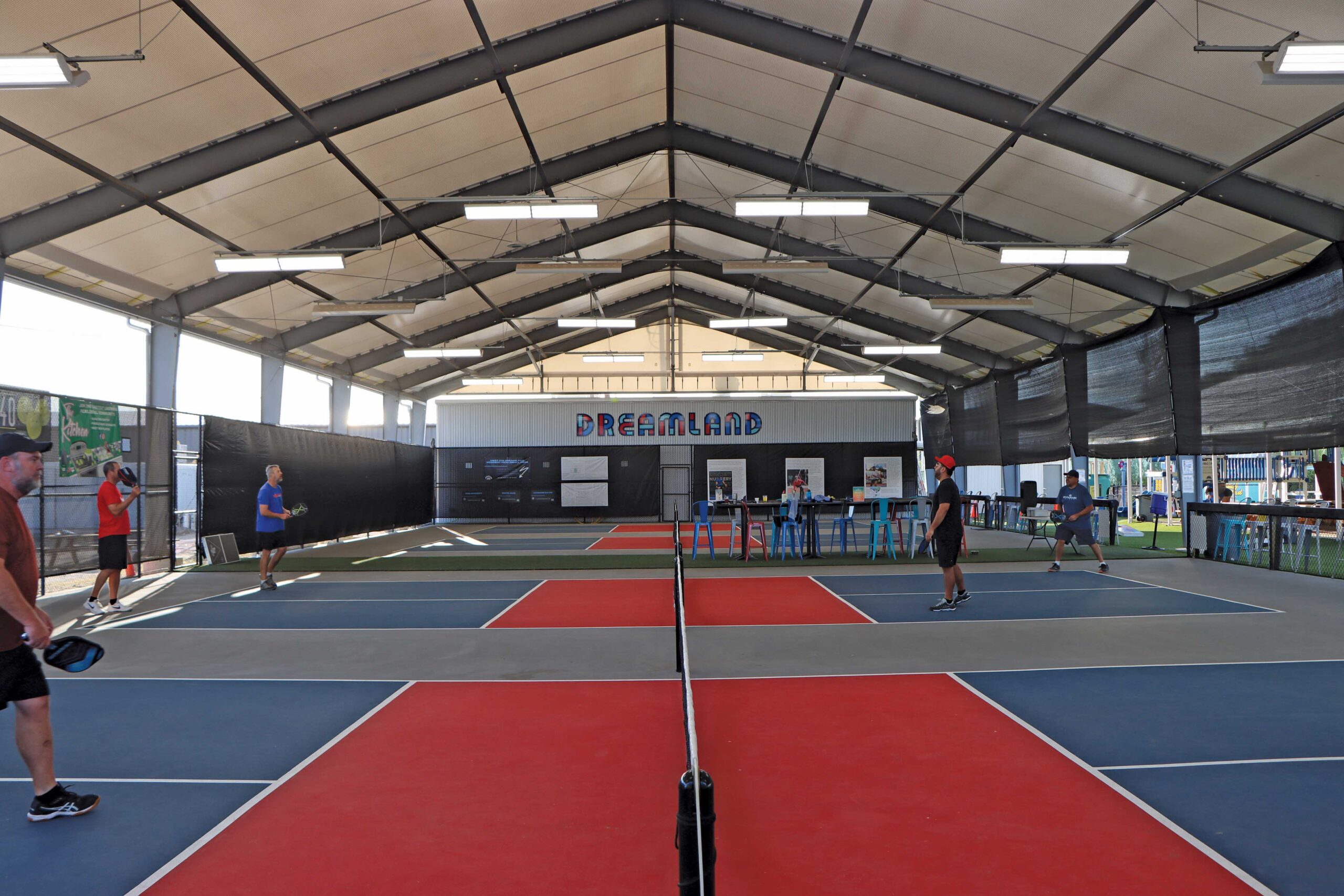
Credit: www.clearspan.com
Effects Of Low Ceilings
Low ceilings in indoor pickleball courts create many challenges. These affect how players perform and stay safe. Understanding these effects helps in planning better courts.
Impact On Gameplay
Low ceilings limit the height of shots. Players cannot use high lobs effectively. This reduces the variety in play and strategy.
Players may hit the ceiling during a serve or rally. It causes interruptions and frustration. The flow of the game suffers.
Players feel restricted and less confident. The game becomes less enjoyable and competitive.
Safety Concerns
Low ceilings increase the risk of injuries. Players might hit their hands or rackets on the ceiling.
Unexpected ceiling contact can cause falls or awkward movements. This leads to sprains or strains.
Proper ceiling height reduces these risks. Safety improves, and players can focus on the game.
Design Tips For High Ceilings
Designing a high ceiling for an indoor pickleball court needs careful planning. High ceilings improve play by allowing better ball flight and player movement. The design must support the structure and manage sound well. Here are two key tips to consider for high ceilings.
Structural Considerations
High ceilings require strong support systems. Use steel or reinforced beams to hold the roof safely. Check local building rules for height limits and materials. Ensure the ceiling height is at least 18 to 20 feet. This space lets players hit the ball without restrictions. Plan for ventilation and lighting within the ceiling design. Proper airflow keeps the court comfortable. Lights must be bright but not distracting. These elements must fit into the strong structure.
Acoustic Solutions
Sound can echo in high-ceiling spaces, causing distractions. Use sound-absorbing panels on walls and ceilings. Materials like foam or fabric help reduce noise. Consider installing hanging baffles to break sound waves. Carpets or rubber flooring also cut down noise. Good acoustics improve player focus and comfort. Design the space to balance sound control with open height. This keeps the court lively but not too loud.
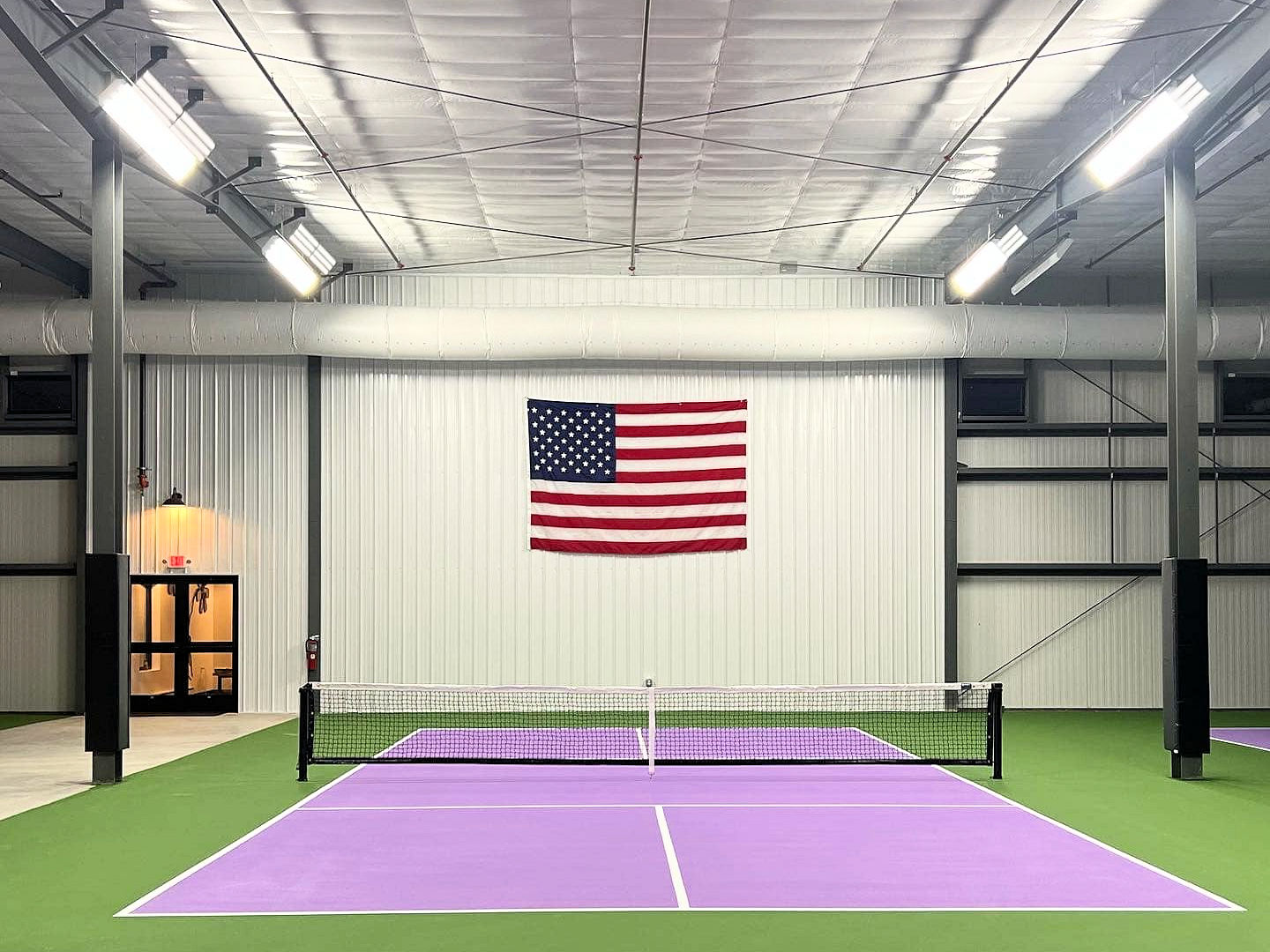
Credit: www.britecourt.com
Cost Implications
Choosing a high ceiling for an indoor pickleball court affects the overall cost. The height influences construction needs and ongoing expenses. Understanding these costs helps in making better decisions for your court project.
Construction Costs
Taller ceilings require stronger support structures. This means more materials like steel or concrete. The foundation may need extra work to handle the weight. Lighting fixtures must be higher and more powerful. Ventilation systems also become more complex and costly. All these factors add to the initial building cost.
Maintenance Expenses
High ceilings increase the cost of cleaning and repairs. Reaching lights or ceiling fans needs special equipment. Heating and cooling become less efficient and more expensive. Regular inspections take longer and require skilled workers. Over time, these factors raise the total maintenance budget.
Case Studies
Case studies show how ceiling height affects indoor pickleball courts. Real examples help us see the impact on play and comfort.
Examining different facilities reveals what works best. It guides builders and players in choosing or designing courts.
Indoor Courts With Ideal Heights
Many top indoor courts have ceilings at least 20 feet high. This height allows players to hit lobs and serves without worry.
Players enjoy smooth play with no interruptions from the ceiling. The clear space improves game flow and reduces injury risk.
Examples include community centers and sports complexes with large court areas. Their design focuses on player experience and safety.
Lessons From Low Ceiling Facilities
Some courts have ceilings under 16 feet. These courts often cause issues with high shots hitting the ceiling.
Players report frustration and limited shot options. The game can feel cramped and less enjoyable in these spaces.
Facility managers learn to adapt by lowering net height or limiting play styles. Some add padding to protect players from collisions.
These cases highlight the need for proper planning. Ceiling height directly affects player satisfaction and game quality.
Frequently Asked Questions
What Is The Ideal Ceiling Height For Indoor Pickleball Courts?
The ideal ceiling height for indoor pickleball courts is 18 to 20 feet. This height allows safe, unrestricted play and accommodates high shots easily. Lower ceilings can interfere with gameplay and cause frequent ball interference or damage.
Why Does Ceiling Height Matter For Pickleball Courts?
Ceiling height matters because pickleball involves high, lob shots. A higher ceiling prevents balls from hitting the ceiling. It ensures smooth gameplay and player satisfaction. Proper height also improves lighting placement and overall court safety.
Can Low Ceilings Affect Indoor Pickleball Gameplay?
Yes, low ceilings negatively affect indoor pickleball gameplay. Balls hitting the ceiling disrupt play and cause frustration. Low ceilings limit shot variety and reduce player enjoyment. Maintaining a high ceiling is key for optimal indoor pickleball experience.
How To Measure Ceiling Height For Pickleball Courts?
Measure ceiling height from the playing surface to the ceiling directly above. Ensure the height is consistent across the court area. Use a tape measure or laser measure for accuracy. Confirm at least 18 feet for proper indoor pickleball play.
Conclusion
A high ceiling makes playing pickleball indoors easier and more fun. It gives players enough space to hit the ball without worries. Good ceiling height helps avoid interruptions and keeps the game smooth. It also improves air flow and lighting in the court.
Planning the right height can make a big difference. Choose a ceiling height that fits your space and playing style well. This way, everyone enjoys the game safely and comfortably.