
Choosing the right pickleball paddle can change the way you play—and feel on the court. You might be wondering whether an aluminum or graphite paddle suits your game better.
Each type offers unique benefits that can boost your performance, comfort, and control. But which one matches your style and needs? Keep reading to discover the key differences between aluminum and graphite pickleball paddles, so you can make the best choice for your next match.
Your perfect paddle is just a few clicks away.

Credit: heliospickleball.com
Material Basics
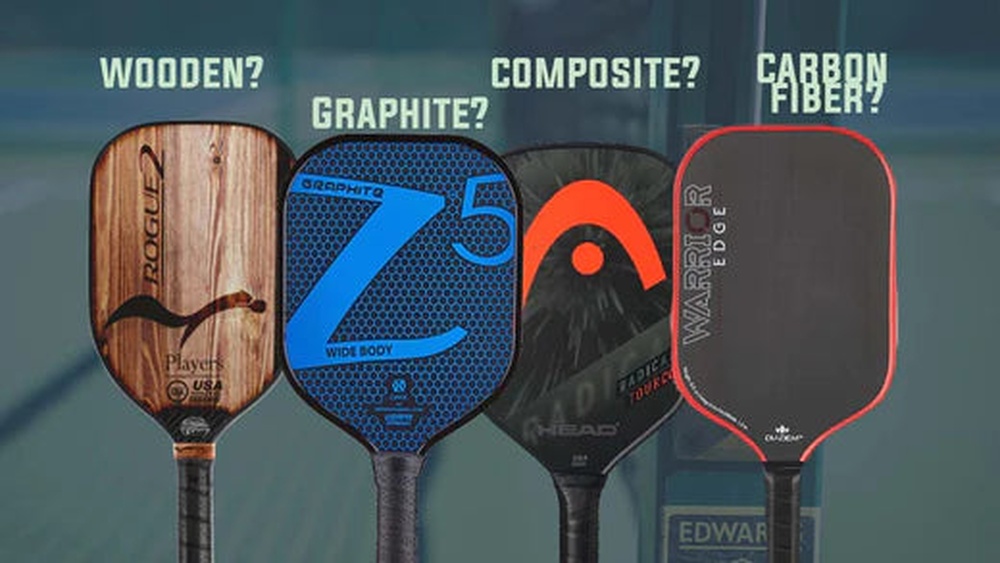
Choosing the right pickleball paddle depends a lot on the material it is made from. Aluminum and graphite are two popular options. Each material offers unique benefits and affects paddle performance differently. Understanding these basics helps pick a paddle that suits your playing style.
Aluminum Paddle Features
Aluminum paddles are usually heavier than graphite ones. This weight gives more power behind each hit. They have a solid feel that many players like. The surface is often textured, helping control the ball better. Aluminum paddles tend to be more affordable. They are durable and can handle rough play. Some players find the extra weight tires their arm faster.
Graphite Paddle Features
Graphite paddles are lighter and easier to swing fast. This helps with quick reactions and better control. The surface is smooth and very strong. Graphite paddles absorb shock well, reducing arm strain. They often provide a larger sweet spot for hitting. These paddles can be more expensive but offer excellent performance. Many advanced players prefer graphite for its balance of speed and control.
Credit: heliospickleball.com
Weight And Balance
The weight and balance of a pickleball paddle affect how it feels and performs. Aluminum paddles are usually heavier than graphite paddles. This difference changes how players swing and control the paddle during play. Balance means how the weight is spread across the paddle. A well-balanced paddle feels comfortable and easy to handle.
Impact On Swing Speed
Graphite paddles are lighter, which helps increase swing speed. Faster swings can create more power behind the ball. Aluminum paddles, being heavier, often slow down the swing. Players might find it harder to move the paddle quickly. A faster swing helps in quick reactions and fast shots.
Control And Stability
Heavier aluminum paddles offer more stability during play. They absorb vibrations better, giving a solid feel on impact. This stability can help control the ball’s direction. Graphite paddles, while lighter, may feel less stable. Players might need more skill to keep control with graphite. Balance also plays a key role in stability and control.
Durability And Maintenance
Durability and maintenance play a big role in choosing between aluminum and graphite pickleball paddles. Both materials have different strengths and care needs. Understanding these can help you keep your paddle in good shape longer.
Wear And Tear Resistance
Aluminum paddles are strong and resist dents well. They handle rough play without cracking. Yet, they can get scratches on the surface over time.
Graphite paddles are lighter but more fragile. They may crack or chip if hit hard. The surface can wear down faster with heavy use.
Care Tips For Longevity
Keep aluminum paddles dry to avoid rust on metal parts. Clean them with a soft cloth after each use. Store paddles in a cool, dry place away from direct sun.
For graphite paddles, avoid dropping or hitting hard surfaces. Use a paddle cover to protect the face. Wipe off dirt gently and check for cracks regularly.
Performance On Court
Performance on the court depends heavily on the paddle material. Aluminum and graphite paddles offer different feels and control. Each affects power, responsiveness, spin, and precision in unique ways. Choosing the right paddle can improve your play and comfort.
Power And Responsiveness
Aluminum paddles provide strong power due to their solid build. They deliver quick hits and help push the ball far. The paddle feels heavier, giving a strong impact. Graphite paddles are lighter and more responsive. They allow faster swings and quicker reactions. Players can move the paddle easily for fast volleys. Responsiveness helps in tight plays and fast returns.
Spin And Precision
Graphite paddles excel in spin and precision. Their smooth surface helps players add spin to shots easily. Controlled shots land exactly where players want. Aluminum paddles offer less spin but good control. They feel sturdy and steady on the ball. This helps in steady, accurate placement. Both paddles suit different styles of play based on spin needs.
Cost Comparison
Choosing between aluminum and graphite pickleball paddles often depends on cost. Understanding the price differences helps you make a smart choice. Cost varies based on material, brand, and paddle features. Below, we break down the cost aspects for both types.
Initial Investment
Aluminum paddles usually cost less at the start. They suit beginners or players on a budget. Prices range from low to mid-level. Graphite paddles tend to be more expensive upfront. Their advanced materials and technology raise the price. Expect to pay more for graphite paddles.
Value Over Time
Aluminum paddles may wear out faster than graphite ones. This can mean replacing them more often. Graphite paddles last longer and keep their performance. They may save money over time despite higher initial cost. Consider how long you plan to play regularly. This affects which paddle offers better value.
Player Preferences
Player preferences play a big role in choosing between aluminum and graphite pickleball paddles. Different players have different needs based on their skill level and playing style. Understanding these preferences helps pick the right paddle for better performance and comfort.
Some players want paddles that offer control and precision. Others look for power and speed. These choices often depend on experience and how they play the game.
Beginners’ Choices
Beginners often prefer aluminum paddles. These paddles are usually heavier but provide good control. The solid feel helps new players learn proper paddle handling. Aluminum paddles are also more affordable, which suits players just starting out.
The wider sweet spot on aluminum paddles makes it easier to hit the ball well. Beginners find this helpful as they develop their skills. The durability of aluminum paddles means less worry about damage during practice.
Advanced Player Picks
Advanced players often choose graphite paddles for their light weight. This allows faster swings and better maneuverability. Graphite paddles offer better touch and control for placing shots precisely.
These paddles also provide more power without extra effort. Experienced players can use this power to hit strong shots from anywhere on the court. The feel of graphite paddles matches the needs of players with refined skills.
Environmental Impact
The environmental impact of pickleball paddles is an important factor for many players. Choosing between aluminum and graphite means thinking about how these materials affect nature. The production, use, and disposal of paddles all have effects on the environment. Understanding these can help players make better choices.
Sustainability Of Materials
Aluminum is a metal that can be reused many times without losing quality. It comes from bauxite, a common mineral found in the earth. Mining and refining bauxite use energy and water, which can harm the environment. Graphite is a form of carbon that can be natural or synthetic. Natural graphite comes from mining, which also impacts land and water. Synthetic graphite is made from petroleum, a non-renewable resource. Both materials need energy to produce, but aluminum is more widely recycled. Graphite paddles often use other materials like resin and foam, which are less eco-friendly.
Recycling Options
Aluminum paddles have good recycling options. They can be melted and made into new products many times. This lowers waste and reduces the need for new mining. Graphite paddles are harder to recycle because of mixed materials. The resin and foam parts do not break down easily or recycle well. Many graphite paddles end up in landfills. Recycling centers may not accept them because of the material mix. Choosing aluminum paddles supports recycling and reduces waste.

Credit: www.justpaddles.com
Frequently Asked Questions
What Are The Main Differences Between Aluminum And Graphite Paddles?
Aluminum paddles are heavier and more durable, ideal for power. Graphite paddles are lighter, offering better control and quicker response. The choice depends on your playing style and preference for weight versus maneuverability.
Which Paddle Material Is Better For Beginners?
Aluminum paddles are often better for beginners due to their durability and lower cost. They provide a solid feel and help develop power. Graphite paddles suit experienced players who need speed and precision.
How Does Paddle Weight Affect Gameplay In Pickleball?
Heavier paddles like aluminum provide more power but can cause fatigue. Lighter graphite paddles allow faster swings and better control. Choosing the right weight improves comfort and performance during matches.
Are Graphite Paddles More Expensive Than Aluminum Ones?
Yes, graphite paddles typically cost more because of advanced materials and design. Aluminum paddles are budget-friendly and durable, making them accessible for casual players. Price reflects quality, weight, and performance features.
Conclusion
Choosing between aluminum and graphite paddles depends on your play style. Aluminum paddles are durable and affordable. Graphite paddles feel lighter and offer better control. Both types have unique benefits for different players. Think about what matters most: power, control, or cost.
Try both if you can. Find the paddle that fits your comfort and skill. Enjoy playing with confidence and fun. Pickleball is about having a good time and improving step by step. Your paddle choice supports your journey on the court.