
Are you thinking about setting up your own pickleball court or just curious about the game? Knowing the exact dimensions of a pickleball court is the first step to getting started.
Whether you want to play in your backyard or at a community center, understanding the size and layout will help you visualize the game better and improve your skills. Keep reading, and you’ll discover everything you need to know about pickleball court dimensions—clear, simple, and straight to the point.
Your perfect game starts here.
Pickleball Court Size
Pickleball is a fast-growing sport with simple court needs. The size of the court affects how players move and play. Knowing the exact dimensions helps players prepare and enjoy the game more. This section explains the size of a pickleball court clearly.
Standard Court Dimensions
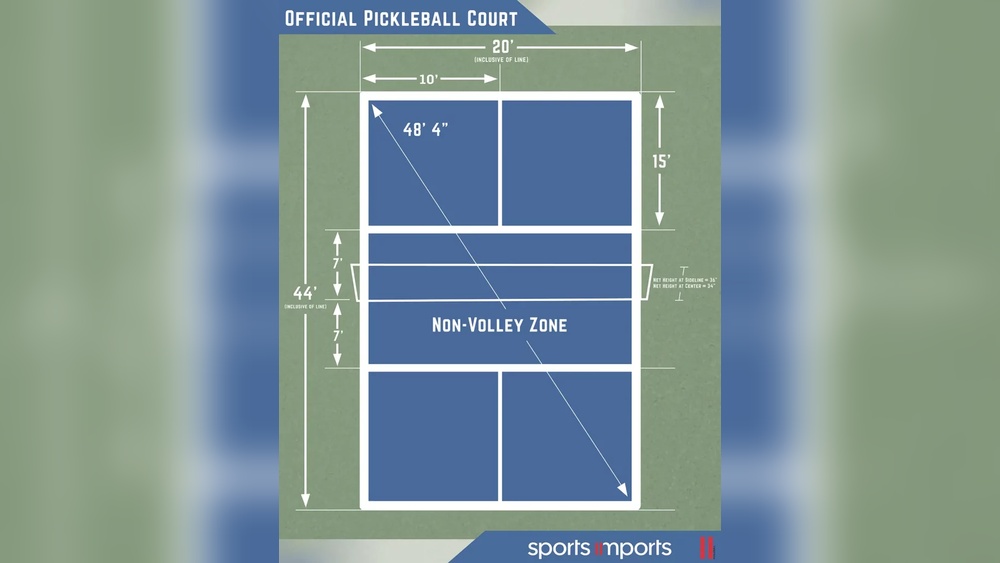
A pickleball court measures 20 feet wide and 44 feet long. This size is the same for both singles and doubles matches. The court has a non-volley zone, or “kitchen,” that is 7 feet from the net on each side. The net height is 36 inches at the sidelines and 34 inches in the center. These measurements provide enough space for quick moves and rallies.
Comparison With Other Courts
Compared to tennis, a pickleball court is much smaller. A tennis court is 36 feet wide and 78 feet long. This makes pickleball easier to play in smaller spaces. It also means players do less running. The smaller size suits all ages and skill levels. Basketball courts are bigger too, usually 50 by 94 feet. Pickleball courts fit into gyms or parks with room to spare.
Court Layout Details
The pickleball court has clear and specific dimensions. These details shape how the game is played and how players move. Understanding the court layout helps players follow the rules and enjoy the game fully. The court has three main areas to know about: the playing area, the non-volley zone, and the service courts. Each has its own size and purpose.
Playing Area
The total playing area of a pickleball court is 20 feet wide and 44 feet long. This size works for both singles and doubles matches. The surface is flat and smooth, usually made of concrete or asphalt. The court is divided by a net that stands 36 inches high at the edges and 34 inches in the center. This area is where most of the game action happens.
Non-volley Zone
The non-volley zone is also called the kitchen. It extends 7 feet from the net on both sides. Players cannot hit the ball in the air while standing inside this zone. This rule prevents players from smashing the ball too close to the net. It encourages more skill and strategy in the game. The kitchen lines are clearly marked on the court.
Service Courts
The service courts are located on each side of the net. Each side has two service boxes, right and left. Each service court measures 10 feet wide and 15 feet long. Players must serve the ball diagonally into the opposite service court. The service must land inside the boundaries to be valid. These courts help keep the game fair and organized.
Surface And Boundary Lines
The surface and boundary lines of a pickleball court play a key role in the game. The court surface affects player movement and ball bounce. Boundary lines mark the playing area and help players judge if the ball is in or out. Clear and precise lines improve gameplay and fairness. Understanding these details helps build or recognize a proper pickleball court.
Court Surface Types
Pickleball courts use various surfaces. Hard courts are common and made of asphalt or concrete. These surfaces provide fast ball bounce and good traction. Some courts use sport tiles that offer more shock absorption. Indoor courts often have wooden or synthetic floors. Each surface type changes how players move and how the ball reacts.
Line Width And Markings
Boundary lines on a pickleball court must be clear and visible. Lines are usually 2 inches wide. This width helps players see the lines from a distance. The court has several lines: baseline, sidelines, non-volley zone line, and service lines. All lines must be marked with a contrasting color to the court surface. Proper markings ensure fair play and accurate calls during matches.
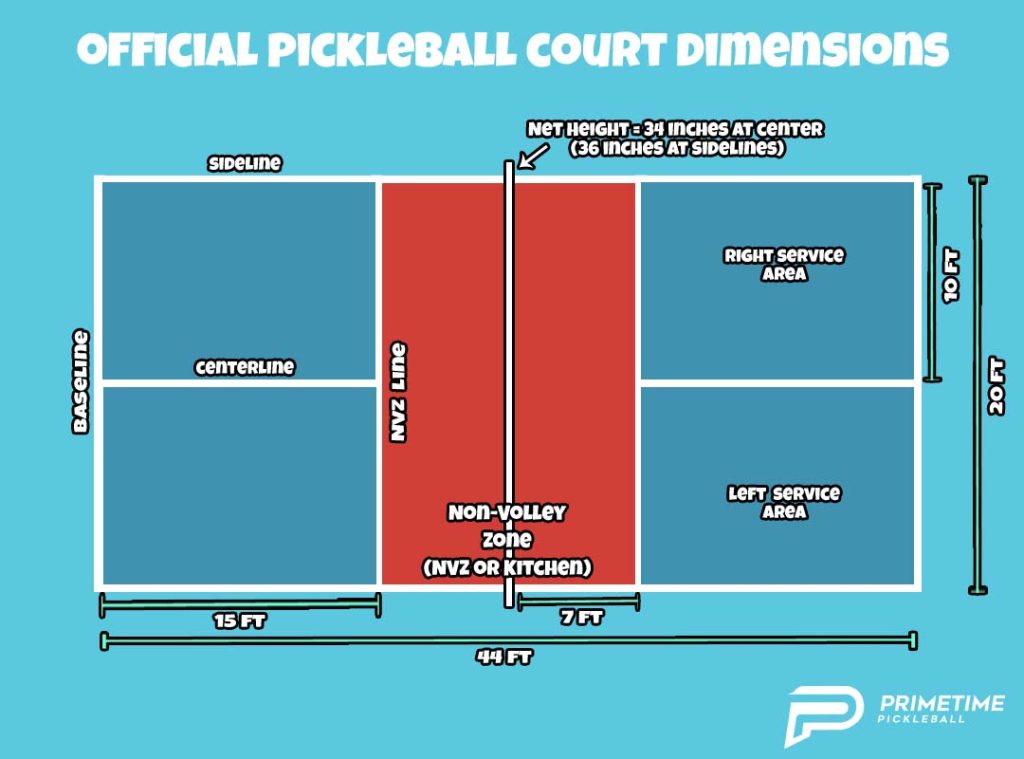
Credit: primetimepickleball.com
Net Specifications
The net is a key part of a pickleball court. It divides the court into two equal halves. The net must follow specific rules to ensure fair play. These rules cover the height, length, and exact position of the net.
Net Height
The net height is 36 inches at the sidelines. It dips to 34 inches at the center. This slight dip helps keep the net tight. Players must hit the ball over this net height. The difference in height is small but important.
Net Length And Positioning
The net stretches 22 feet wide across the court. It must cover the entire width between the two sidelines. The net posts sit just outside the sidelines. This keeps the net tight and in place. Proper positioning stops the net from sagging or moving during play.
Indoor Vs Outdoor Courts
Pickleball courts can be found both indoors and outdoors. Each type has its unique features. These differences affect court dimensions and the playing experience. Understanding these can help you choose or build the right court.
Dimension Variations
The standard pickleball court measures 20 feet wide and 44 feet long. This size stays the same for indoor and outdoor courts. The main difference lies in the surrounding space. Outdoor courts need extra room for fences or wind barriers. Indoor courts often have limited space, so walls might be closer.
Surface Considerations
Indoor courts usually have smooth surfaces like wood or synthetic materials. These surfaces offer consistent ball bounce and less wear on shoes. Outdoor courts use rougher surfaces such as asphalt or concrete. These surfaces can affect ball speed and bounce. Weather also impacts outdoor courts, causing cracks or fading over time.

Credit: www.networldsports.co.uk
Building A Pickleball Court
Building a pickleball court requires clear planning and preparation. Understanding the right dimensions and materials helps create a safe and fun playing space. A well-built court lasts longer and improves the playing experience. Let’s explore the key factors you need to consider.
Space Requirements
The official pickleball court measures 20 feet wide and 44 feet long. You need extra space around the court for players to move safely. A total area of 30 feet by 60 feet works well. This space allows for good play and prevents injuries. The surface should be flat and smooth for better ball bounce.
Materials And Equipment
Pickleball courts use materials like asphalt or concrete for the base. These surfaces are durable and easy to maintain. The court needs special paint for clear lines and good visibility. Nets must be 36 inches high at the sidelines and 34 inches in the middle. Use posts that hold the net tightly without damaging it. Proper lighting helps if you want to play at night.
Regulations And Standards
Understanding the regulations and standards for a pickleball court is important for players and builders. These rules ensure fair play and safety during matches. The court dimensions, layout, and markings must follow official guidelines.
Regulations help maintain consistency in every game. Players can trust that the court meets the correct size and line placement. This creates a level playing field for all skill levels.
Official Rules
The official pickleball court measures 20 feet wide and 44 feet long. This size applies to both singles and doubles matches. The court is divided into two equal halves by a net, which is 36 inches high at the sidelines and 34 inches high at the center.
Each side of the court includes a non-volley zone, also called the kitchen. This zone is 7 feet from the net on both sides. It prevents players from hitting the ball while standing too close to the net. The rest of the court is the volley zone and baseline area.
Lines must be 2 inches wide and clearly marked. The court surface should be smooth and safe for quick movement. Meeting these standards ensures official games and tournaments run smoothly.
Updates For 2026
New updates will take effect in 2026 to improve gameplay and safety. The non-volley zone may see minor adjustments in size. This change aims to reduce player collisions near the net.
Net height measurements will be more strictly enforced. This ensures all courts maintain the exact height needed for fair play. Updated court surface guidelines will recommend better materials for outdoor courts.
These updates reflect ongoing efforts to keep pickleball fair and enjoyable. Players and builders should check official sources for detailed changes before 2026.
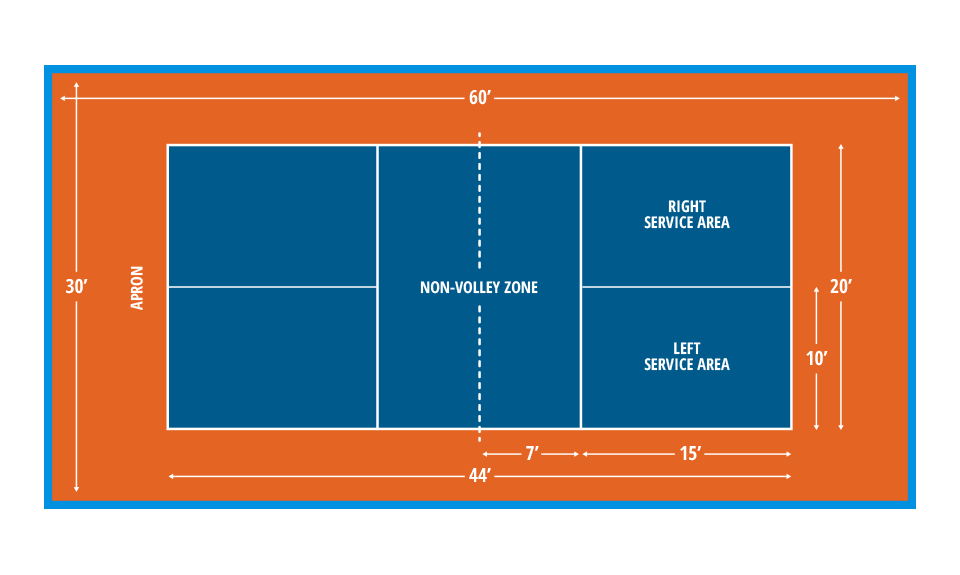
Credit: www.versacourt.com
Custom Court Options
Custom court options allow pickleball players to enjoy the game even with limited space. Courts can be tailored to fit smaller areas or temporary setups. This flexibility helps more people join the sport and practice at home or nearby.
Adjusting For Space Limits
Not every place can fit a full-size pickleball court. Adjustments in court size help use smaller spaces efficiently. Shortening the court length or width can still offer good play. Marking boundaries with tape or paint helps define the smaller area clearly.
Players can modify the net height and court lines to match the new size. These changes keep the game fair and fun. A smaller court may work better in backyards, driveways, or community centers.
Portable Courts
Portable pickleball courts are popular for easy setup and storage. These courts use interlocking tiles or mats that lay flat on any surface. They can be moved indoors or outdoors depending on weather and availability.
Portable options let players create a court almost anywhere. They are great for temporary use at events or parks. The materials are durable and provide good traction for players.
Choosing a portable court means no permanent changes to the location. This option suits renters or those who want a quick way to play.
Frequently Asked Questions
What Are The Official Pickleball Court Dimensions?
A standard pickleball court measures 20 feet wide and 44 feet long. This size is used for both singles and doubles play. The court includes a 7-foot non-volley zone near the net on each side.
How Wide Is The Pickleball Court?
The official width of a pickleball court is 20 feet. This width allows comfortable play for singles and doubles matches. It matches the width of a badminton court, making it easy to convert.
What Is The Length Of A Pickleball Court?
The total length of a pickleball court is 44 feet. This length accommodates baseline-to-baseline play and includes the non-volley zones. It ensures enough space for fast-paced rallies.
How Big Is The Non-volley Zone On The Court?
The non-volley zone, also called the kitchen, is 7 feet from the net. This zone prevents players from volleying too close to the net. It adds a strategic element to pickleball gameplay.
Conclusion
Knowing the exact dimensions of a pickleball court helps you play better. The court measures 20 feet wide and 44 feet long. It includes a 7-foot non-volley zone near the net. These clear measurements make setting up easy. Whether for fun or competition, the right size matters.
Keep these numbers in mind when planning your game space. It ensures fair play and a good experience for everyone. Now, you can enjoy pickleball with confidence and clarity. Simple rules, simple court, great fun.