
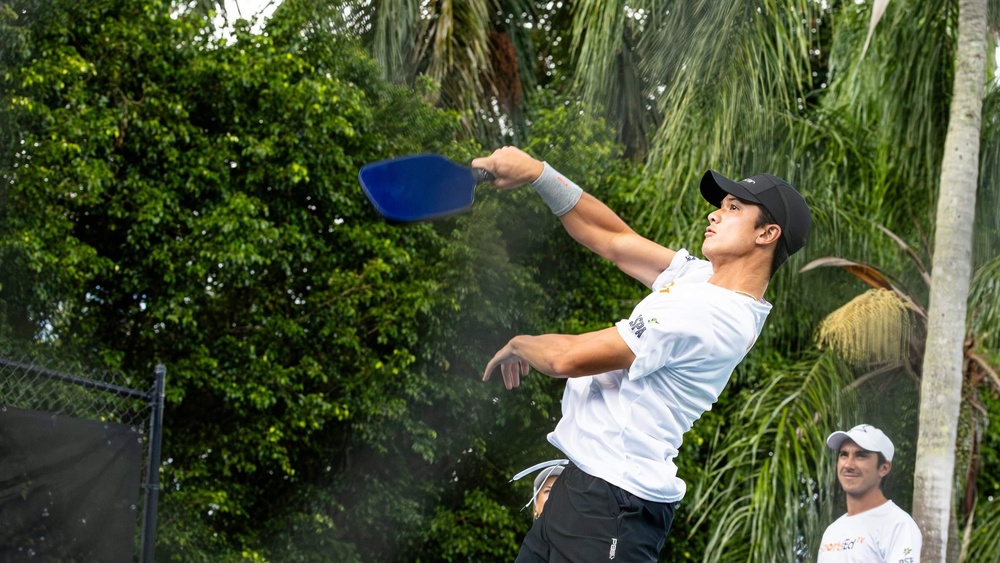
Have you ever stepped onto the pickleball court, only to find the wind messing up your game? You’re not alone.
Wind can turn a fun match into a frustrating battle, making it hard to control your shots and enjoy the game. But how windy is too windy for pickleball? Knowing the right answer can save you from wasted time and help you decide when it’s best to play or wait for better conditions.
Keep reading to discover the signs of wind that can ruin your game and tips to keep playing your best—even when the breeze picks up.

Credit: heliospickleball.com
Impact Of Wind On Pickleball
Wind affects pickleball play in many ways. It changes how the ball moves and how players react. Understanding these effects helps players adjust their style. Windy conditions can make the game harder and less predictable. Knowing the impact of wind can improve your experience on the court.
Effects On Ball Trajectory
Wind changes the ball’s path through the air. A strong wind can push the ball off course. This makes shots less accurate and harder to control. Light wind may cause slight shifts, but strong gusts cause big changes. Players must watch the wind direction closely during play.
Challenges In Serving And Returning
Serving becomes tricky with wind. The ball may move unpredictably just after the serve. Returning the ball is harder too. Wind can slow down or speed up the ball’s speed. This forces players to adjust their timing and aim constantly.
Influence On Player Movement
Wind also affects how players move on the court. Players may need to run differently to reach the ball. Strong wind can make balance difficult during quick movements. It can tire players faster because they fight against the wind. Staying steady and focused becomes very important.
Credit: www.pb5star.com
Ideal Wind Conditions For Play
Playing pickleball outdoors means dealing with the wind. The right wind conditions help keep the game fun and fair. Too much wind can make the ball hard to control. Finding the ideal wind speed is key to enjoying your match.
Wind affects the ball’s flight and your shots. Light winds allow for smooth play, while strong winds create unpredictable bounces. Knowing the best wind speeds helps you decide when to play or pause.
Optimal Wind Speeds
The best wind for pickleball is calm to light breeze. Winds between 0 and 7 miles per hour work well. These speeds let players aim and hit the ball with ease. The ball follows a steady path without sudden changes.
Light winds cool players and keep the air fresh. They add a small challenge without ruining the game. Most outdoor pickleball courts stay fun and playable in this range.
Recognizing Unplayable Wind Levels
Winds over 10 miles per hour make pickleball tough. The ball may drift or fall short unexpectedly. Players struggle to predict shots and keep control.
Strong gusts can ruin rallies and cause frustration. If the wind is steady and strong, consider waiting. Very windy days often lead to poor game quality and safety concerns.
Adjusting Your Technique In Wind
Playing pickleball in windy conditions requires changes in your technique. Wind can affect the ball’s speed and direction. Adapting your play helps keep control and enjoy the game. Simple adjustments to your serve, shots, and movement make a big difference.
Modifying Your Serve
Start by shortening your serve motion. A gentle toss helps avoid the wind’s interference. Aim lower over the net to reduce ball drift. Use a controlled, steady swing instead of a fast one. This keeps the ball on target despite gusts. Focus on placing the ball, not power.
Controlling Your Shots
Hit the ball with less force than usual. Soft shots are easier to control in the wind. Use a flat paddle angle to keep the ball low. Avoid high lobs that the wind can blow off course. Aim for consistent, precise shots instead of risky ones. Adjust your shot timing to match the wind speed.
Positioning And Footwork Tips
Stay balanced and keep a low stance for stability. Move quickly but carefully to adjust to ball changes. Position yourself slightly upwind to anticipate the ball’s path. Use small, quick steps to stay ready. Keep your eyes on the ball longer to read wind effects. Good footwork helps maintain control and reaction speed.

Credit: www.pickleballmax.com
Equipment Choices For Windy Days
Playing pickleball on windy days calls for smart equipment choices. The right gear helps keep control and enjoy the game despite the wind. Small changes in paddle, ball, and clothes can make a big difference. This guide covers key equipment tips for windy pickleball play.
Selecting The Right Paddle
Choose a paddle with a heavier weight on windy days. Heavier paddles offer more stability and control. A paddle with a smaller sweet spot reduces wind impact. Look for paddles made from sturdy materials like graphite or composite. These provide a solid feel and better handling against gusts.
Ball Types And Their Performance
Use balls designed for outdoor play. Outdoor balls have larger holes and are heavier. They resist wind better and fly straighter. Indoor balls are lighter and catch the wind easily. Pick balls with less bounce to keep shots predictable in the wind.
Apparel And Accessories
Wear fitted clothes that do not flap in the wind. Loose clothes increase drag and distract your movement. A hat or visor helps keep your eyes clear from blowing dust or sun glare. Sunglasses protect your eyes and improve focus. Consider wristbands to keep sweat off your hands for a firmer grip.
Strategies For Windy Pickleball Games
Playing pickleball in windy conditions can be tough. The wind changes the ball’s path and speed. It makes the game less predictable. Using smart strategies helps keep control. Adjusting your play can lead to better results. Here are key ways to handle windy pickleball games.
Communication With Partners
Talking clearly with your partner is very important. Share your plan for each point. Warn each other about strong wind gusts. Use simple signals to show where you will hit. Good communication avoids confusion and missed shots. It helps you cover the court better together.
Shot Selection And Placement
Choose shots that work well in the wind. Hit the ball lower to reduce air resistance. Avoid high lobs that the wind can blow off course. Aim for safe spots on the court. Place shots near the sidelines or corners. This makes it harder for opponents to return.
Managing Game Pace
Slow down the pace to stay in control. Take more time before serving or returning. Use gentle, controlled strokes instead of hard swings. Keep the ball close to the net when possible. Adjust your speed to match the wind’s force. This reduces mistakes and keeps the rally going longer.
Safety Considerations In High Wind
Playing pickleball in windy conditions requires careful attention to safety. Strong wind affects how the ball moves and can change your balance. This increases the chance of accidents and injuries. Knowing the safety risks helps players decide when to stop or continue playing.
Preventing Injuries
Wind can push the ball in unexpected ways. Players may stretch or move suddenly to hit the ball. These quick moves can cause sprains or falls. Wearing proper shoes with good grip reduces slipping risks. Warm-up exercises prepare muscles for sudden actions. Keep a safe distance from others to avoid collisions.
Court Conditions And Hazards
High wind can blow leaves, dirt, and debris onto the court. These materials make the surface slippery and unsafe. Check the court before playing to clear hazards. Wet courts from wind-driven rain increase fall risks. Avoid playing if the surface is wet or uneven. Strong wind can also cause loose items to fly onto the court. Secure equipment and belongings to prevent accidents.
Frequently Asked Questions
How Windy Is Too Windy For Pickleball Play?
Pickleball becomes challenging when wind speeds exceed 15 mph. Strong winds affect ball control and accuracy. Players may struggle with consistent shots. Games can still be played but are less enjoyable and competitive.
What Wind Speed Cancels Outdoor Pickleball Games?
Organizers often cancel games at wind speeds over 20 mph. High winds disrupt ball trajectory and player safety. It’s best to postpone matches during such conditions for fair play and enjoyment.
How Does Wind Affect Pickleball Ball Flight?
Wind can alter the ball’s path unpredictably. It causes the ball to drift, drop, or rise unexpectedly. Players must adjust their shots to compensate. Strong winds reduce control and increase game difficulty.
Can You Play Pickleball In Light Wind?
Yes, light winds up to 10 mph are usually manageable. They may slightly affect ball movement but don’t hinder gameplay. Many players enjoy outdoor pickleball under these mild conditions.
Conclusion
Strong winds can make pickleball tough and less fun. When wind speeds reach around 15 mph, play becomes tricky. The ball moves fast and changes direction a lot. Players may miss shots and get frustrated. Still, some enjoy the challenge and adjust their play.
It’s best to watch the weather and decide if conditions feel right. Safety and fun matter most on the court. Windy days can test skills but also bring new excitement. Play smart, stay safe, and enjoy the game.