
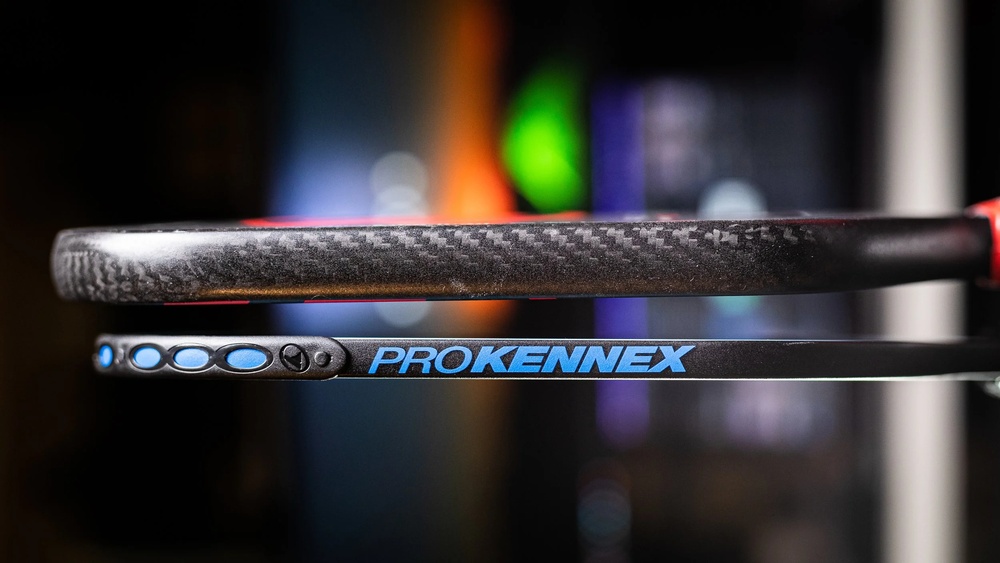
Are you struggling to choose between a thick or thin pickleball paddle? The right paddle can change the way you play, making every shot feel smoother and more powerful.
But how do you know which thickness suits your style best? This guide will help you understand the key differences so you can make a confident choice. Keep reading to discover which paddle will give you the edge on the court and elevate your game like never before.
Paddle Thickness Basics
Understanding paddle thickness is key for every pickleball player. Thickness affects power, control, and feel. Choosing the right thickness helps improve your game. Let’s explore the basics to help you decide.
Standard Thickness Ranges
Pickleball paddles usually come in thicknesses from 0.375 to 0.5 inches. Thinner paddles, around 0.375 inches, offer better control and touch. Thicker paddles, near 0.5 inches, provide more power and durability. Many players find a middle range, about 0.4 inches, balances control and power well.
Material Impact On Thickness
The paddle’s core material changes how thickness feels and performs. Polymer cores are softer and thicker, giving good control. Nomex cores are harder and thinner, offering more power. Aluminum cores sit between these two, balancing power and control. Thickness and material work together to affect paddle weight and play style.
Credit: pickleballcentral.com
Advantages Of Thick Paddles
Thick pickleball paddles offer several clear benefits. They provide strength and support that many players appreciate. These paddles suit certain play styles well. Understanding their advantages helps choose the right paddle for your game.
Power Generation
Thick paddles deliver strong hits. Their extra material stores more energy. This energy transfers to the ball. Players get more power with less effort. Thick paddles help smash the ball faster. Great for aggressive players who like forceful shots.
Durability And Stability
Thick paddles last longer. They resist dents and cracks better. The sturdy frame stays steady during play. Stability improves control over shots. Players trust thick paddles for tough matches. Less chance of paddle damage on hard surfaces.
Ideal Playing Styles
Thick paddles fit power hitters well. They also suit players who need steady control. Defensive players enjoy the stability these paddles offer. Beginners find thick paddles easier to handle. Perfect for those who want balance and strength.
Benefits Of Thin Paddles
Thin pickleball paddles offer several benefits for players who want better control and feel. They provide a closer connection to the ball, making shots more precise. These paddles suit players who value touch and finesse over power. Understanding these benefits helps choose the right paddle for your style.
Enhanced Control
Thin paddles allow players to control the ball better during play. The slim design reduces paddle weight, making it easier to maneuver. Quick wrist movements become smoother and more accurate. This helps place the ball exactly where you want on the court. Control improves, especially during fast rallies and delicate shots.
Better Touch And Feel
Thin paddles give a stronger sense of the ball’s impact. You can feel the ball’s speed and spin more clearly. This sensation helps adjust your shots in real time. The paddle’s thin edge sends more feedback through your hand. Players develop a better touch for soft dinks and precise volleys.
Who Should Choose Thin Paddles
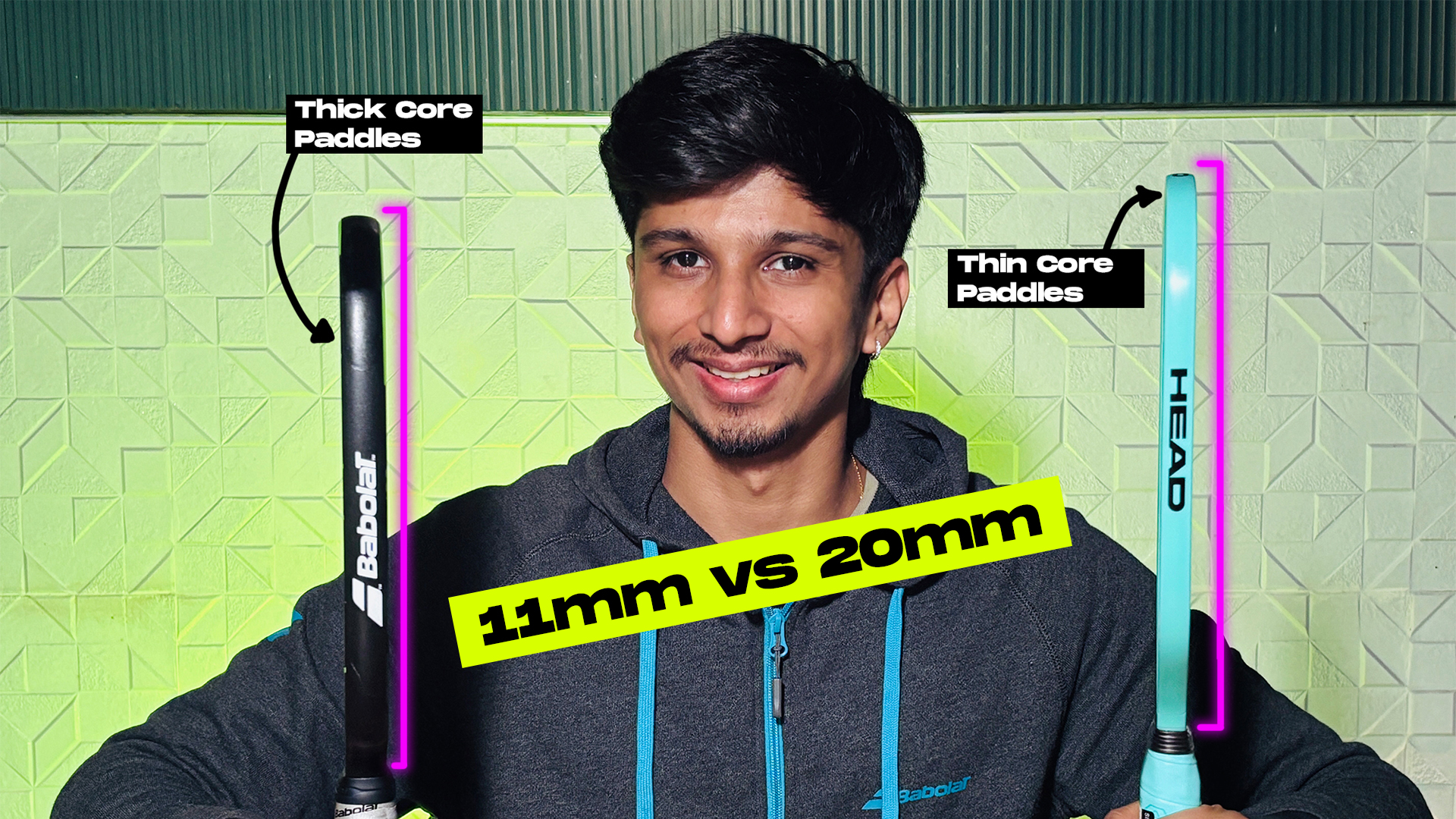
Thin paddles suit players who prioritize control over power. They work well for those who enjoy quick, skillful shots. Beginners aiming to improve their touch may benefit from thin paddles. Also, players with wrist strength prefer thinner paddles for better maneuvering. These paddles fit players who want more precision in their game.
Credit: thegodofsports.com
Performance Comparison
Choosing between a thick or thin pickleball paddle affects how you play. Each type changes your performance on the court. Understanding these differences helps you pick the right paddle for your style. Below, find key factors to compare their performance.
Power Vs Control
Thick paddles often provide more power. They absorb less shock, sending strong hits to the ball. Thin paddles offer better control. They give more feedback, helping you place shots carefully. Players who like powerful smashes may prefer thick paddles. Those who focus on precise shots might choose thin ones.
Maneuverability And Speed
Thin paddles are lighter and easier to move fast. They allow quick wrist action and fast reactions. Thick paddles tend to be heavier and less agile. They can slow down your swing but add stability. Fast players benefit from thin paddles. Players who rely on steady swings may like thick ones.
Impact On Spin And Shot Accuracy
Thin paddles help create more spin. They let you feel the ball better for accurate strokes. Thick paddles reduce the ball’s vibration, limiting spin control. They offer a solid hit but less finesse. For spin shots and precision, thin paddles work well. For straightforward, strong hits, thick paddles suit best.
Choosing Paddle Thickness
Choosing the right pickleball paddle thickness impacts your play and comfort. Paddle thickness affects control, power, and feel. Thicker paddles often offer more power. Thinner paddles provide better control and touch. Understanding your needs helps pick the best thickness.
Skill Level Considerations
Beginners usually benefit from thicker paddles. They give more power with less effort. Intermediate players may prefer a balance between power and control. Advanced players often select thinner paddles for precise shots. Matching paddle thickness to skill level improves play and enjoyment.
Playing Position And Strategy
Players at the net might choose thinner paddles. They allow quick reactions and better control. Baseline players often use thicker paddles for stronger shots. Strategy also guides paddle choice. Defensive players may want more control. Offensive players might need extra power.
Comfort And Injury Prevention
Thicker paddles absorb more shock, reducing arm strain. Players with joint pain or past injuries may benefit. Thinner paddles transmit more vibration but feel lighter. Comfort is key for long play sessions. Testing paddle thickness helps avoid discomfort and injury.
Testing And Selecting Paddles
Testing and selecting the right pickleball paddle is key to improving your play. Paddle thickness affects control, power, and feel. Trying different options helps find the best fit for your style. Hands-on experience beats just reading specs.
Demoing Different Thicknesses
Start by trying paddles with various thicknesses. Thin paddles offer better touch and control. Thick paddles provide more power and durability. Hold each paddle and hit some shots. Notice how the ball reacts and how comfortable the paddle feels in your hand.
Evaluating Paddle Weight
Weight links closely with thickness. Thick paddles tend to be heavier. Light paddles allow faster swings but less power. Heavy paddles add strength but may tire your arm. Swing each paddle several times. Feel the balance and ease of movement. Choose a weight that suits your strength and style.
Tips For On-court Trials
Take your time during trials. Play with each paddle for at least 15 minutes. Try different shots: dinks, volleys, smashes, and serves. Pay attention to control and comfort. Ask yourself which paddle feels natural. Testing on the court reveals what the numbers don’t show.
Popular Paddle Models By Thickness
Choosing the right pickleball paddle thickness affects control and power. Thick paddles offer more power and durability. Thin paddles give better feel and touch on the ball. Each type suits different playing styles and skill levels.
Below are popular paddle models based on their thickness. These picks help players decide which style fits them best.
Top Thick Paddle Picks
The Selkirk Amped S2 is a favorite thick paddle. Its 16mm thickness adds power to every shot. The Onix Z5 Graphite is another popular choice. This paddle has a 15.5mm core for strong hits. The Paddletek Tempest Wave Pro features a 15.5mm thick core. It balances power and control well. Thick paddles like these help players who want stronger hits.
Recommended Thin Paddles
The Engage Elite Pro has a 13mm thin core. It offers excellent ball control and feel. The ProLite Titan Pro is also thin at 13mm. This paddle suits players who want precision. The Gamma Needle has a 12.7mm core and great touch. Thin paddles improve finesse and quick reactions on the court.

Credit: www.nycpickleball.com
Frequently Asked Questions
What Are The Benefits Of A Thick Pickleball Paddle?
Thick paddles offer better shock absorption and durability. They provide more power with less effort. Ideal for players seeking control and comfort during extended play.
How Does A Thin Pickleball Paddle Affect Gameplay?
Thin paddles offer increased touch and precision. They enhance ball control and allow quicker wrist movements. Perfect for players who prioritize finesse over power.
Which Paddle Thickness Is Best For Beginners?
Thick paddles are generally better for beginners. They provide more forgiveness on off-center hits. This helps new players develop confidence and consistent strokes.
Does Paddle Thickness Influence Pickleball Paddle Weight?
Yes, thicker paddles tend to be heavier due to more material. Thin paddles are often lighter, offering faster maneuverability. Weight choice depends on player preference and style.
Conclusion
Choosing between a thick or thin pickleball paddle depends on your play style. Thick paddles offer more power and durability. Thin paddles provide better control and touch. Think about what feels comfortable in your hand. Try both types to see which suits you best.
Your paddle can affect your game and enjoyment. Pick one that helps you play confidently and have fun. Simple and clear.