
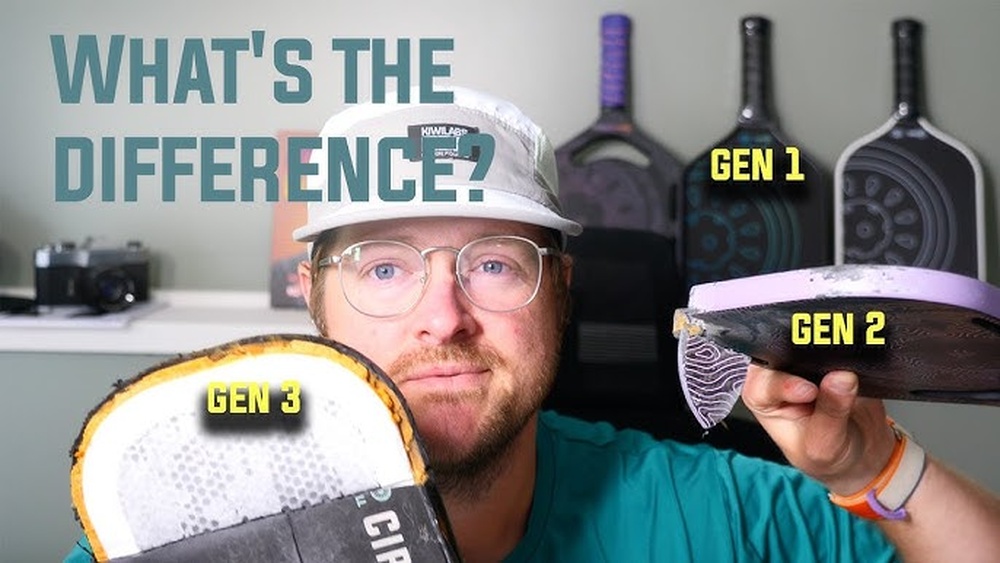
Are you wondering which pickleball paddle is right for you? Choosing between Gen 1, Gen 2, and Gen 3 paddles can feel confusing.
Each generation brings new features that could change how you play. Imagine holding a paddle that perfectly matches your style and boosts your game. You’ll discover the key differences that matter most, helping you make the smart choice. Keep reading to find out which paddle can give you the edge you’ve been looking for!
Pickleball Paddle Generations
Pickleball paddle generations mark the progress in paddle design and materials. Each generation offers new features that improve play. Understanding these changes helps players choose the right paddle for their style.
Evolution Of Paddle Technology
The first generation paddles were simple wood designs. They were heavy and lacked power. Then came the second generation with lighter materials like composite and fiberglass. These paddles provided better control and less weight. The third generation introduced advanced cores and surface textures. These changes boosted spin and power without extra effort.
Manufacturers also improved paddle shapes for better grip and reach. New coatings reduced wear and added durability. Each step aimed to enhance player comfort and performance.
Key Differences Across Generations
Gen 1 paddles are heavy and basic. They offer less control and power. Gen 2 paddles are lighter and stronger. They use composite materials and improved cores. This generation balances power with control well.
Gen 3 paddles focus on technology and design. They have advanced core materials like polymer honeycomb. Surfaces add spin and speed. Shapes improve handling and reduce fatigue. These paddles suit serious players seeking precision.

Credit: paklepickleball.com
Gen 1 Paddles Features
Gen 1 pickleball paddles mark the first step in paddle design. They set the standard for material and shape. These paddles offer basic features that suit many beginner players. Their design focuses on durability and ease of use.
Understanding Gen 1 paddle features helps players compare newer models. It shows how pickleball gear has changed over time. Let’s explore the materials, performance, and pros and cons of Gen 1 paddles.
Materials And Build
Gen 1 paddles mainly use wood or composite materials. Wood paddles are heavy but strong. Composite paddles combine fiberglass or carbon with a core. The core is often made from polymer or aluminum. The paddle face is flat and smooth. Handles are usually simple and straight.
Performance Characteristics
These paddles offer solid control and power. They have a heavier feel than newer models. The surface provides a consistent ball bounce. Spin is limited due to less textured surfaces. The paddle size is standard but not oversized. They suit players who want straightforward play.
Pros And Cons
Gen 1 paddles are durable and affordable. They provide good stability during play. Their weight can tire players quickly. Less spin means fewer advanced shot options. The design may feel bulky for some users. Overall, they work well for beginners and casual games.
Gen 2 Paddles Features
Gen 2 pickleball paddles brought important changes to improve play. These paddles built on the first generation’s basics. They offered better materials and smarter designs. Players noticed better control and power with Gen 2 paddles. These updates made the game more fun and competitive. Let’s explore the key features of Gen 2 paddles.
Material Improvements
Gen 2 paddles used stronger and lighter materials. The paddle cores often shifted from basic foam to advanced polymer. This change made paddles more durable and quieter on impact. The surface materials became smoother for better ball spin. These material upgrades helped players hit with more accuracy. Lighter paddles also reduced arm fatigue during long games.
Design Enhancements
Design changes focused on player comfort and control. Paddle shapes became more ergonomic to fit hands better. Edges were rounded to reduce wrist strain. The paddle faces grew slightly larger for a bigger sweet spot. Grip sizes varied more to suit different hand sizes. These design tweaks improved handling and shot consistency.
Performance Upgrades
Gen 2 paddles delivered better balance between power and control. The new cores absorbed shock to protect the arm. Players gained more control over ball speed and direction. The paddles allowed for sharper spins and quicker reactions. These performance upgrades made Gen 2 paddles ideal for improving skill. Many players felt more confident on the court.

Credit: heliospickleball.com
Gen 3 Paddles Features
Gen 3 pickleball paddles bring exciting changes to the court. They build on earlier versions with new features. These paddles use better materials and smart designs. Players notice real differences in feel and control. The changes aim to improve every part of play.
Advanced Materials
Gen 3 paddles use lighter and stronger materials. Carbon fiber and graphite are common choices. These materials help reduce paddle weight. A lighter paddle means faster swings and less arm fatigue. The paddle surface often has a textured finish. This texture improves ball grip for better spins.
Innovative Design Elements
The shape of Gen 3 paddles is more refined. Edges are smoother to cut air resistance. Some paddles have wider faces for a larger sweet spot. Handle designs focus on comfort and grip. Many handles use cushioned grips to reduce shock. These design choices make playing easier and more precise.
Enhanced Performance Benefits
Gen 3 paddles offer better control and power. Players can hit shots with more accuracy. The paddle’s balance helps with quick reactions. Spin and ball placement become easier to manage. These paddles also reduce strain on the wrist and arm. Overall, players feel more confident during fast play.
Comparing Paddle Performance
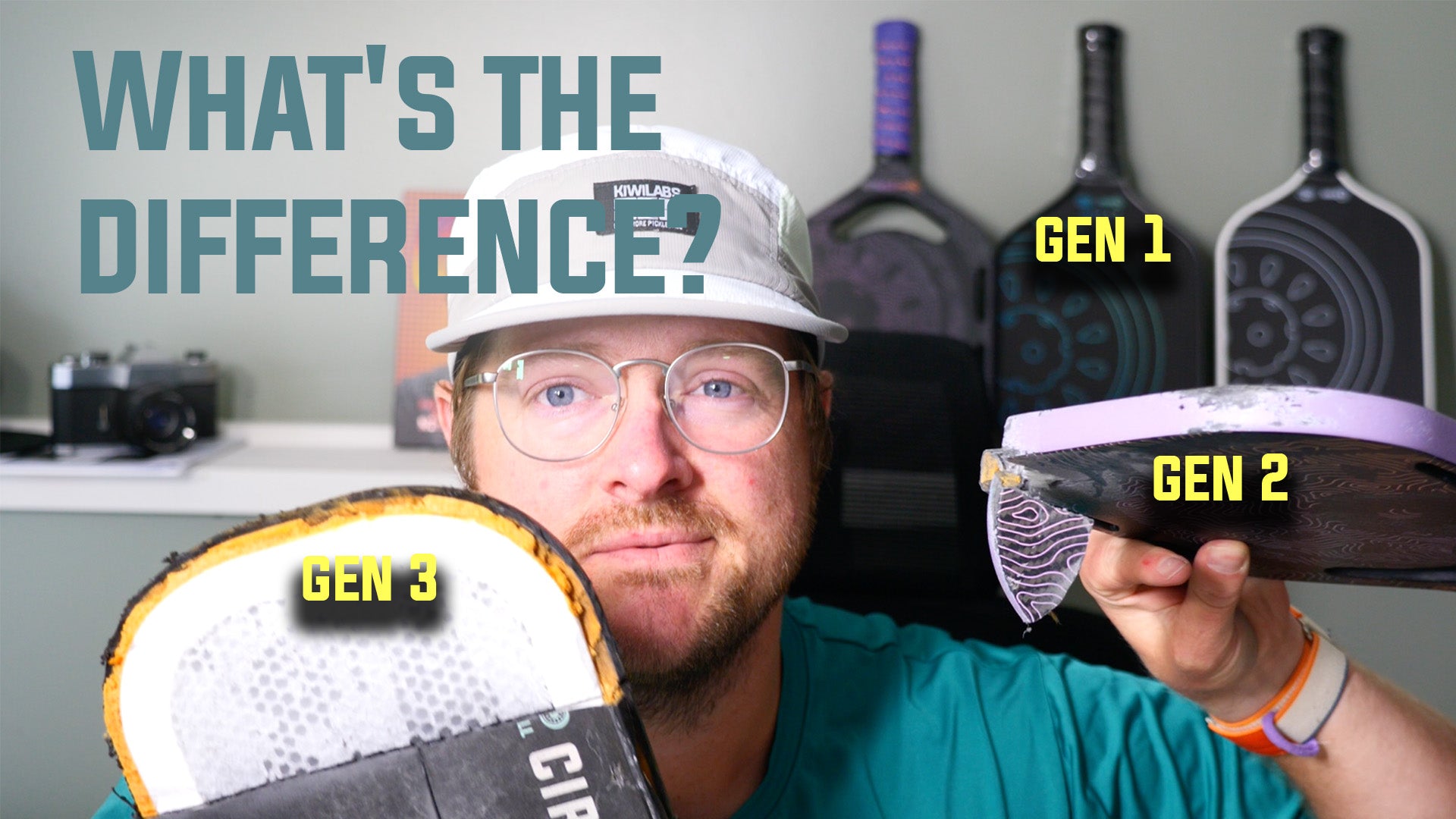
Choosing the right pickleball paddle depends on how it performs during play. Each generation of paddles offers distinct features that affect your game. Comparing Gen 1, Gen 2, and Gen 3 paddles reveals differences in power, control, durability, and comfort. Understanding these factors helps you pick the best paddle for your style.
Power And Control
Gen 1 paddles provide solid power but less control. They are good for beginners who focus on hitting hard. Gen 2 paddles balance power and control better. Players get more precision without losing strength in shots. Gen 3 paddles emphasize control with refined power. These are ideal for players aiming for accuracy and finesse.
Durability And Weight
Gen 1 paddles tend to be heavier and less durable. They wear out faster after extended play. Gen 2 paddles use improved materials for better strength. They are lighter, making quick movements easier. Gen 3 paddles feature the lightest designs with strong materials. This combination extends paddle life and reduces arm fatigue.
Comfort And Grip
Gen 1 grips are basic and less comfortable during long games. Gen 2 paddles improve grip texture and cushioning. This reduces hand strain for players. Gen 3 paddles focus on ergonomic handles with soft, non-slip grips. These paddles offer the best comfort and control for intense matches.
Credit: kiwipickleball.com
Choosing The Right Paddle
Choosing the right pickleball paddle can shape your play experience. Each generation of paddles offers distinct features. Selecting a paddle that fits your needs helps improve your skills and enjoyment. Understanding differences among Gen 1, Gen 2, and Gen 3 paddles is key. Consider your skill, playing style, and budget to make a smart choice.
Skill Level Considerations
Beginners benefit from paddles that offer control and forgiveness. Gen 1 paddles often provide a good balance of power and control. Intermediate players might prefer Gen 2 paddles for better feel and responsiveness. Advanced players often choose Gen 3 paddles, designed for precision and power. Match your paddle to your experience for better performance.
Playing Style Match
Defensive players should choose paddles that enhance control and touch. Gen 1 paddles usually suit players who focus on placement and rallies. Aggressive players need paddles that deliver power and speed. Gen 3 paddles commonly offer lightweight designs for quick swings. Find a paddle that fits how you like to play.
Budget Factors
Pickleball paddles vary in price across generations. Gen 1 paddles tend to be more affordable, ideal for beginners. Gen 2 paddles fall in the mid-price range, balancing quality and cost. Gen 3 paddles are often pricier, reflecting advanced technology and materials. Set a budget and choose the best paddle within that range.
Future Trends In Paddle Design
Pickleball paddle design continues to evolve. Each generation brings new improvements. The future holds exciting changes that will shape how players perform. Innovations focus on better materials, smarter technology, and player comfort. These trends aim to improve control, power, and durability.
Manufacturers listen closely to player feedback to create paddles that meet real needs. Technology and sustainability play key roles in future developments. The next generation of paddles will blend tradition with innovation.
Emerging Technologies
New tech improves paddle performance and player experience. Smart sensors may track swing speed and impact force. This data helps players refine their skills. Advanced materials enhance strength without adding weight. Some paddles use vibration dampening tech to reduce arm strain. Technology also helps make paddles more consistent in quality.
Sustainability In Materials
Eco-friendly materials gain importance in paddle manufacturing. Recycled composites and biodegradable elements reduce environmental impact. Bamboo and other fast-growing woods are popular sustainable choices. Companies aim to lower carbon footprints during production. Sustainability does not mean sacrificing performance. These materials offer durability and great feel on the court.
Player Feedback Integration
Player opinions shape paddle design more than ever. Brands use surveys and focus groups to gather insights. This feedback guides improvements in grip, weight, and balance. Customization options allow players to select features that fit their style. Iterative design processes ensure paddles evolve with player needs. Listening to users creates paddles that feel natural and effective.
Frequently Asked Questions
What Are The Main Differences Between Gen 1, 2, And 3 Paddles?
Gen 1 paddles are basic with standard materials. Gen 2 adds improved grip and lightweight design. Gen 3 focuses on enhanced control, durability, and advanced materials for better performance.
Which Generation Paddle Suits Beginner Pickleball Players?
Gen 1 paddles are ideal for beginners due to their affordability and simple design. They provide enough control for learning basic skills.
How Does Paddle Weight Vary Across Gen 1, 2, And 3?
Gen 1 paddles tend to be heavier. Gen 2 introduces lighter materials. Gen 3 offers the lightest paddles, improving maneuverability and reducing arm fatigue.
Are Gen 3 Paddles Worth The Extra Cost?
Yes, Gen 3 paddles offer advanced technology and durability. They enhance play quality, making them a good investment for serious players.
Conclusion
Choosing the right pickleball paddle depends on your skill and style. Gen 1 paddles offer basic control and feel. Gen 2 models add better materials and improved grip. Gen 3 paddles focus on power and lighter weight. Each generation suits different players and needs.
Try them if you can. Find what feels best for your game. Play often and enjoy the sport. Your paddle choice can make playing more fun. Keep practicing and improving every day.