
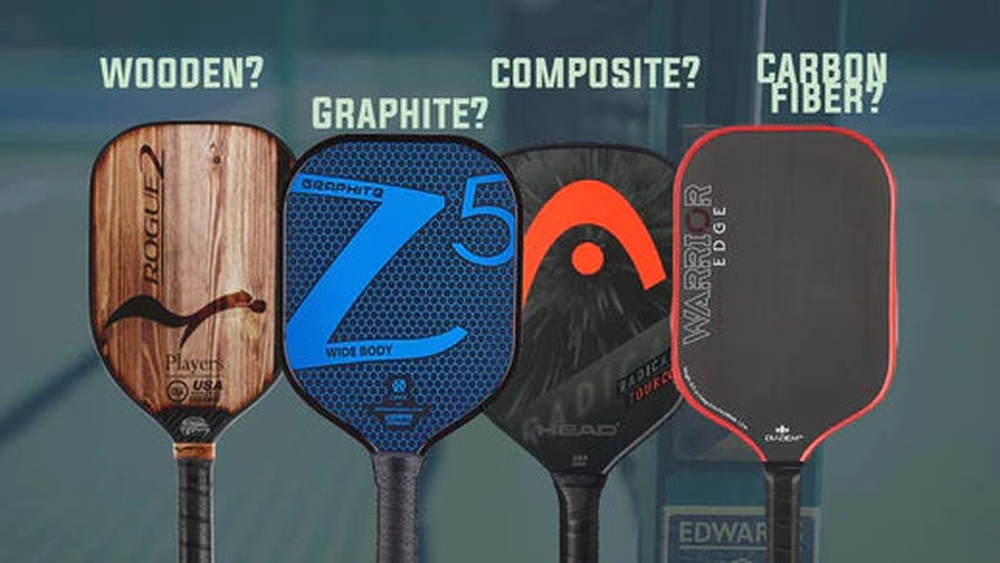
Pickleball has exploded in popularity over the past decade, attracting players of all ages and skill levels. If you’re new to the sport or looking to upgrade your gear, you might wonder: What is the best material for pickleball paddles? The answer is not as simple as picking the most expensive or popular option. The right paddle material can influence your power, control, comfort, and even your enjoyment of the game. Let’s dive deep into paddle materials, how they affect performance, and which ones truly stand out for different types of players.
Why Paddle Material Matters In Pickleball
A pickleball paddle is not just a piece of equipment—it’s your main connection to the game. The material used in the paddle’s core and surface directly affects weight, touch, power, and durability. Small changes in material can make a big difference in how the paddle feels in your hand and how you play.
For example, a softer material might give you more control but less power. A harder material could add pop but may be harder to manage for beginners. Understanding these differences helps you choose a paddle that matches your style and needs.
Main Types Of Pickleball Paddle Materials
Pickleball paddles are made from a combination of core materials and surface (face) materials. Both influence performance, but the core has a bigger impact on feel, while the surface affects spin and touch.
Core Materials
The core is the inner part of the paddle, usually hidden from view. It’s typically made from one of three main materials:
- Polymer (Polypropylene) Core
- Nomex Core
- Aluminum Core
Surface (face) Materials
The face is the outer layer of the paddle that contacts the ball. The main surface materials are:
- Graphite
- Carbon Fiber
- Fiberglass (Composite)
- Wood
Each material brings unique features to your game. Let’s look at each one in detail.
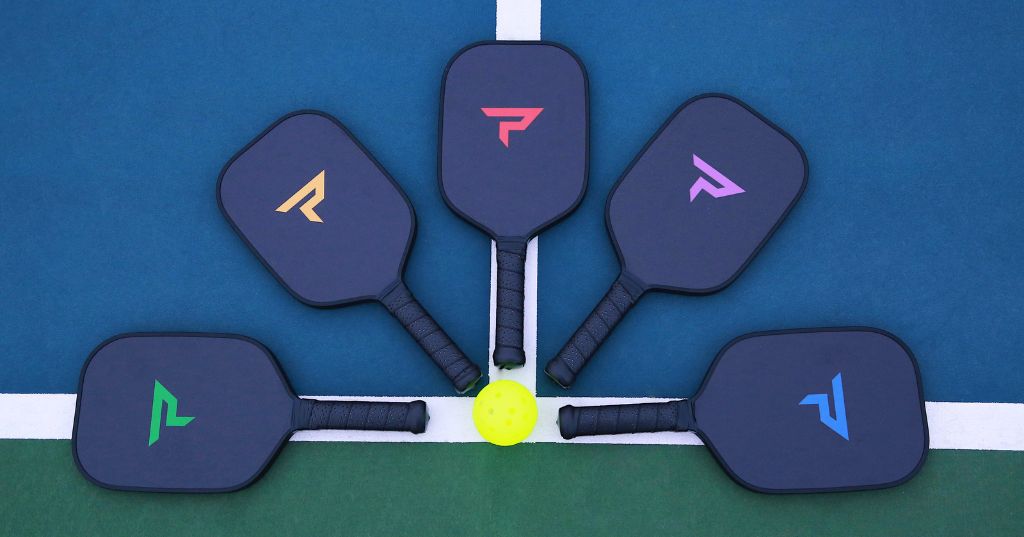
Credit: www.paddletek.com
Paddle Core Materials: What’s Inside Matters
Polymer (polypropylene) Core
Polymer cores are the most common in modern paddles. They use a plastic honeycomb structure, which creates a balance between power and control. Polymer cores are known for being:
- Quiet: Great for noise-sensitive communities or indoor play.
- Soft Feel: Offers more control, making them beginner-friendly.
- Durable: Resists denting and breaking over time.
Most recreational players and even many professionals prefer polymer core paddles. They’re also a top pick for clubs that require paddles to pass noise tests.
Non-obvious insight: Not all polymer cores are the same. Some brands use thicker honeycombs for more control, while others use thinner layers for extra power. Always check the details before buying.
Nomex Core
Nomex is a type of hard, aramid fiber (similar to what’s used in firefighter suits), shaped into a honeycomb and dipped in resin. These paddles are:
- Loud: Make a sharp “pop” sound on contact.
- Powerful: The hard core gives extra pop and speed.
- Lightweight: Easy to maneuver quickly.
Nomex cores are popular with players who want maximum power and are not worried about noise. They’re less common in newer paddles but are still found in many high-performance models.
Non-obvious insight: Nomex paddles tend to wear down faster, especially at the edges. Players who hit hard or play often may need to replace Nomex paddles sooner.
Aluminum Core
Aluminum cores use a honeycomb made from lightweight metal. They have their own feel and benefits:
- Soft, Dampened Touch: Good for control and drop shots.
- Lightweight: Makes quick reactions easier.
- Distinctive Sound: Not as loud as Nomex, but not as quiet as polymer.
Aluminum core paddles can be great for players who value touch and precision. They’re less common than polymer or Nomex paddles and are usually found in specialized or older models.
Practical tip: Aluminum cores can dent if dropped or hit hard against the court. They’re best for players who take good care of their gear.
Comparing Core Materials
Here’s a quick comparison of the three main core types:
| Core Material | Power | Control | Noise | Durability | Weight |
|---|---|---|---|---|---|
| Polymer | Medium | High | Low | High | Medium |
| Nomex | High | Medium | High | Medium | Low |
| Aluminum | Low | High | Medium | Low | Low |
Paddle Surface Materials: The Face Of Your Game
Graphite
Graphite paddles have a thin layer of graphite on the surface (sometimes just 1/16th of an inch thick). This material is famous for:
- Light Weight: Easier to swing and control.
- Quick Response: Ball comes off the paddle fast.
- Good for Control: Excellent for precise shots.
Graphite is popular among players who want a balanced paddle that doesn’t feel heavy. Many top brands use graphite faces on their highest-end paddles.
Carbon Fiber
Carbon fiber is often confused with graphite but is slightly different. It’s stronger and stiffer, which means:
- Superior Strength: More resistant to cracking or warping.
- Spin Potential: Some carbon fiber paddles add texture to the face, increasing spin.
- Consistent Performance: Maintains its quality over time.
These paddles are often favored by advanced players who want both power and control, especially those who like to spin the ball.
Fiberglass (composite)
Fiberglass paddles have a layer of woven glass fibers on the surface. They’re sometimes called “composite” paddles and are known for:
- Powerful Pop: Ball jumps off the face with more force.
- Mid-Range Weight: Neither too heavy nor too light.
- Affordable Price: Often less expensive than carbon fiber or graphite.
Fiberglass paddles are great for players who want more power without spending as much. Many entry-level and intermediate paddles use fiberglass faces.
Wood
Wood was the original paddle material when pickleball began in the 1960s. Today, wood paddles are:
- Heavy: Harder to swing for long periods.
- Durable: Can last for years if well cared for.
- Low Cost: Usually the cheapest option.
Wood paddles are often found in schools and community centers for beginners. However, most serious players move to lighter, more responsive materials as soon as possible.
Comparing Surface Materials
Let’s compare the main surface materials:
| Surface Material | Weight | Power | Control | Spin | Price |
|---|---|---|---|---|---|
| Graphite | Light | Medium | High | Medium | High |
| Carbon Fiber | Light | High | High | High | Very High |
| Fiberglass | Medium | High | Medium | Medium | Medium |
| Wood | Heavy | Low | Low | Low | Low |

Credit: www.paddletek.com
How Paddle Material Affects Your Game
The choice of paddle material doesn’t just change the numbers on a spec sheet. It changes how you play and how you feel on the court.
- Power: Fiberglass faces and Nomex cores give you more pop for deep shots.
- Control: Polymer cores and graphite or carbon fiber faces help with dinks and drop shots.
- Spin: Textured carbon fiber or fiberglass faces let you add more spin, making your shots harder to return.
- Noise: Polymer is quiet, Nomex is loud. This matters for some clubs and communities.
- Durability: Carbon fiber and graphite last longer but cost more. Wood and aluminum can break or dent faster.
Tip: Test paddles if you can. Even the same material can feel different from brand to brand.
Which Material Is Best For Your Skill Level?
Beginners
If you’re new to pickleball, you want a paddle that’s easy to control and not too heavy. Polymer core with a fiberglass or graphite face is a great choice. It offers a soft touch, enough power, and won’t tire your arm.
Wood paddles are fine for first games but are heavier and less forgiving. Most beginners move to composite paddles quickly.
Intermediate Players
At this level, you’ll start to notice differences in paddle feel. Many intermediate players like the balance of a polymer core with a graphite or carbon fiber face. This combo provides more control for finesse shots but enough power to win rallies.
Some may try Nomex or aluminum cores for more pop, but these require better technique and can be less forgiving.
Advanced And Competitive Players
Advanced players often pick paddles based on their style:
- Power players often choose Nomex or fiberglass for extra speed.
- Control players pick polymer with graphite or textured carbon fiber for precise placement and spin.
At this level, small differences in material can mean the difference between winning and losing. Many pros use paddles with custom blends of carbon fiber and advanced polymers.
Advanced tip: Some carbon fiber paddles now use “raw” or unpainted faces for maximum spin. This is a new trend among top players.
Weight, Grip, And Other Factors
Material is important, but it’s only one piece of the puzzle. When choosing a paddle, also consider:
- Weight: Lighter paddles (7–7.5 oz) are easier to swing, but heavier paddles (8+ oz) give more power.
- Grip Size: A comfortable grip prevents injury and helps control.
- Shape: Elongated paddles have more reach but a smaller sweet spot.
Some brands blend materials to create paddles that suit different needs. For example, a paddle might have a polymer core for softness but a carbon fiber face for power and spin.
Don’t overlook: Paddle edge guards. Some materials chip easily if dropped, so a strong edge guard can extend the life of your paddle.
Cost Vs. Performance: Is Expensive Always Better?
A common question is whether a higher price means a better paddle. Expensive materials like carbon fiber do offer more durability and spin, but they’re not always best for every player.
- Entry-level: $20–$50 (usually wood or basic fiberglass)
- Mid-range: $50–$120 (polymer core with graphite or fiberglass)
- High-end: $120–$250+ (carbon fiber, custom blends, pro-grade)
For most players, a mid-range paddle with a polymer core and composite or graphite face offers the best balance of value and performance.
Common Mistakes When Choosing Paddle Material
- Ignoring your play style: Some players pick whatever their friend uses, not realizing that each material suits a different style.
- Choosing by color or design only: Looks matter, but performance is more important.
- Going too heavy: Heavy paddles (often wood) can cause arm fatigue or even injury.
- Not checking club rules: Some clubs ban loud Nomex paddles or require quiet polymer cores.
- Overlooking durability: Cheaper paddles may chip, dent, or break quickly, costing more in the long run.
Real-world Examples And Data
Let’s look at a few popular paddles and their material combinations:
| Paddle Name | Core Material | Face Material | Weight | Price Range |
|---|---|---|---|---|
| Selkirk Amped S2 | Polymer | Fiberglass | 7.4–8.0 oz | $120–$150 |
| Paddletek Tempest Wave Pro | Polymer | Graphite | 7.6–8.0 oz | $170–$200 |
| Onix Z5 | Nomex | Graphite | 7.5–8.2 oz | $90–$120 |
| Franklin X-1000 | Aluminum | Fiberglass | 7.6 oz | $50–$80 |
| Rally Tyro 2 Pro | Polymer | Composite | 7.6–8.0 oz | $60–$80 |
This shows that top brands often use polymer cores with composite, graphite, or fiberglass faces, as these offer the best balance for most players.
Which Material Is Best Overall?
After considering all factors, polymer core paddles with a graphite or carbon fiber face are the most popular and versatile choice for most players. They offer a great mix of power, control, durability, and noise reduction.
However, the “best” really depends on your personal needs:
- If you want more power, try a fiberglass face.
- For control and feel, stick with graphite or carbon fiber.
- For the quietest play, always choose polymer core.
- For budget options, wood can work—but only for short-term or casual play.
How To Test And Choose The Right Paddle Material
If possible, try different paddles before buying. Most pickleball clubs have demo paddles, or you can borrow from friends. Here’s what to look for:
- Comfort: Does it feel heavy after 15 minutes?
- Control: Can you hit the ball where you want?
- Power: Are your shots deep enough?
- Noise: Does the sound bother you or other players?
- Grip: Is it the right thickness for your hand?
Don’t rush your decision. The right paddle can make the game more fun and help you improve faster.

Credit: pickleballscience.org
The Future Of Pickleball Paddle Materials
Technology is always advancing. Some companies are experimenting with new blends, like Kevlar faces or hybrid honeycomb cores. Others focus on adding more texture for spin or reducing weight without losing power.
If you’re interested in the science behind these innovations, check out the Wikipedia page on pickleball for more details about the equipment and how it’s evolving.
Frequently Asked Questions
What Is The Most Durable Pickleball Paddle Material?
The most durable materials are carbon fiber and graphite for paddle faces. These resist cracking and chipping better than fiberglass or wood. For the core, polymer honeycomb is long-lasting and holds its shape even with heavy play.
Is There A Paddle Material That Is Best For Spin?
Yes, paddles with a textured carbon fiber or fiberglass surface generate the most spin. The roughness of the surface helps grip the ball, making it easier to add topspin or slice.
Why Are Wood Paddles Not Recommended For Serious Players?
Wood paddles are heavy, offer little control, and do not have the same “sweet spot” as modern materials. They are fine for beginners or casual games but limit your performance as you improve.
Are There Any Paddle Materials Banned In Tournaments?
Professional tournaments require paddles to meet specific standards. Some experimental materials or surface coatings (like sandpaper or sticky substances) are not allowed. Always check the USAPA-approved paddle list before playing in official events.
How Often Should I Replace My Pickleball Paddle?
With regular use, most graphite or carbon fiber paddles last 1–2 years before performance drops. Signs you need a new paddle include dead spots, cracks, or reduced power. Nomex and wood paddles may need replacing sooner if they chip or break.
Pickleball is a game of skill, strategy, and enjoyment. The right paddle material can lift your game and help you reach your potential. Take the time to find a paddle that matches your style, and enjoy every moment on the court.