
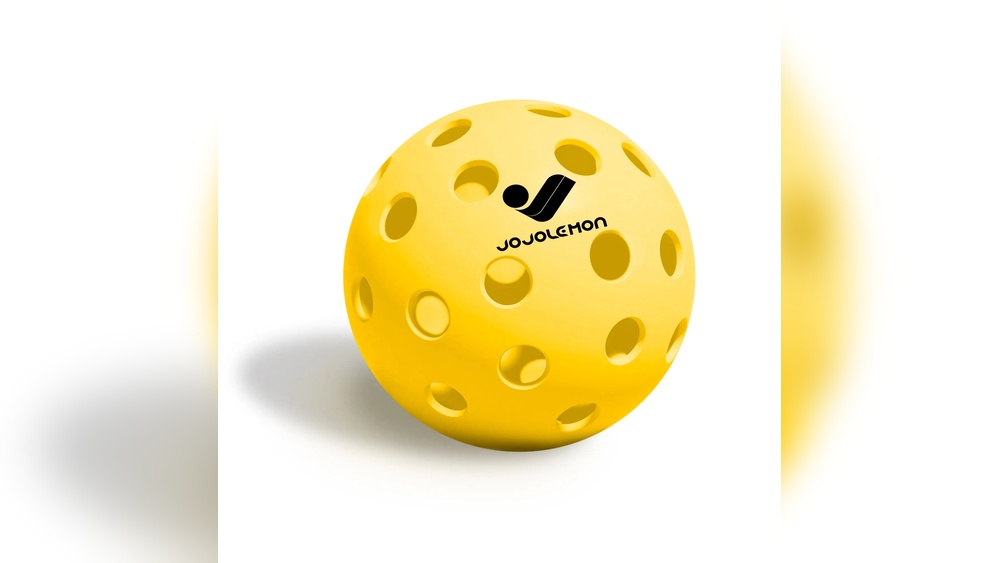
Pickleball is growing rapidly around the world. If you visit any court, you’ll see people playing with different balls—some are bright yellow, others a bold orange. At first, it might look like a simple color choice, but there’s more to it. The color of a pickleball can affect visibility, playability, and even how the game feels. Choosing between a yellow ball and an orange ball is not just about preference; it can impact your performance, enjoyment, and even your eyes.
Most new players are surprised to learn that the color of the ball matters for both casual and competitive play. In fact, some tournaments have strict rules about which balls are allowed. In this guide, you’ll discover the real differences between pickleball yellow vs orange ball, how they behave on different courts, and which one is right for you.
We’ll also cover some common myths, mistakes, and tips for making the best choice.
Why Ball Color Matters In Pickleball
Pickleball is a fast-paced game, and ball visibility is critical. The color of the ball plays a key role in how well players track it through the air and against different backgrounds. Unlike tennis or badminton, pickleball is often played on courts with various colored lines, walls, and even outdoor scenery. A ball that is easy to see can make rallies smoother and reduce eye strain.
Impact On Reaction Time
When the ball is easier to see, players react faster. Studies in sports science show that high-contrast objects are detected up to 30% quicker by the human eye. This means that a well-chosen ball color can help you return shots more accurately, especially in doubles where the ball moves quickly.
Safety Considerations
Visibility also affects safety. Poorly visible balls increase the risk of accidental hits, especially for beginners or older players. Injuries in pickleball are not uncommon, and many are caused by players misjudging the ball’s position.
The Standard Pickleball Colors: Yellow And Orange
Traditionally, pickleball balls come in several colors—yellow, orange, white, green, and sometimes neon shades. However, yellow and orange have become the most popular, especially for outdoor and indoor games.
Official Guidelines
The USA Pickleball Association (USAPA) and the International Federation of Pickleball (IFP) have approved several colors for tournament play, but yellow is often the standard for professional events. Orange balls are popular in recreational play and some local tournaments.
Physical Properties: Are Yellow And Orange Balls The Same?
Many players assume that all pickleballs are identical except for color. This is not always true.
Differences In Manufacturing
Pickleball balls are made from hard plastic (polymer) and are precisely engineered with holes for aerodynamics. Leading brands, like Dura Fast 40 and Onix Pure 2, produce both yellow and orange balls. However, sometimes the dye used can slightly affect the plastic’s flexibility and hardness.
Ball Performance
While most brands strive for uniformity, players sometimes notice:
- Orange balls may feel slightly softer or stiffer, depending on the batch.
- Yellow balls are more likely to match tournament specifications for weight and bounce.
These differences are usually minor but can be noticeable to advanced players.
Visibility: Which Color Stands Out Best?
Visibility is one of the main reasons players choose between yellow and orange balls.
On Outdoor Courts
Sunlight, shadows, and the color of the surface all impact how well you see the ball.
- Yellow balls: These are highly visible on blue and green courts, especially in bright sunlight. The neon-like shade stands out against most outdoor backgrounds.
- Orange balls: They are easier to see in overcast conditions or on darker courts. However, they can blend in with red clay or autumn leaves.
On Indoor Courts
Indoor lighting varies greatly. Gyms often have tan, gray, or wooden floors.
- Yellow balls: They work well under white or LED lighting, but sometimes reflect glare.
- Orange balls: These are preferred on wooden floors, as they stand out against brownish backgrounds.
Special Cases
In some facilities, such as community centers or multi-purpose gyms, wall colors can clash with ball color. If the walls are yellow or orange, choose the opposite colored ball.
Player Preferences And Psychological Impact
Beyond visibility, color can influence how you feel during play.
Color Psychology
- Yellow is linked to energy, happiness, and alertness. Some players feel more upbeat and focused using yellow balls.
- Orange is associated with enthusiasm and creativity. It can make casual games feel more relaxed.
Player Experience
Many advanced players stick to yellow balls since they are used in tournaments. Recreational players often prefer orange for variety and fun.
Performance Comparison: Yellow Vs Orange Ball
How does each color perform when you play? Let’s break down some key factors.
| Feature | Yellow Ball | Orange Ball |
|---|---|---|
| Visibility (Outdoor) | Excellent | Good |
| Visibility (Indoor) | Good | Excellent |
| Bounce Consistency | High | Medium-High |
| Tournament Use | Standard | Rare |
| Eye Strain | Low | Medium |
Non-obvious Insights
- Lighting changes everything: The same ball can look totally different under LED, fluorescent, or sunlight. Always test the ball under your local court’s lights.
- Weather affects visibility: Humidity and haze reduce the brightness of both colors, but orange can become duller more quickly.
Official Rules And Tournament Standards
For competitive play, it’s important to know what’s allowed.
Usapa And Ifp Ball Requirements
Both organizations require balls to meet standards for:
- Diameter (2.87 to 2.97 inches)
- Weight (0.78 to 0.935 ounces)
- Bounce height (30-34 inches from 78-inch drop)
Color must be uniform and “one consistent color,” usually yellow. Some local events accept orange balls, but you should always check the rules before entering a tournament.
Ball Approval List
The official ball approval list is available on the USAPA website. Yellow balls from top brands are almost always on the list. Orange balls are less common but can be approved for recreational or local tournaments.
Pros And Cons Of Yellow Pickleball Balls
Yellow balls are the most popular for a reason.
Advantages
- Best overall visibility on most courts
- Used in official tournaments—good for practice
- Widely available in stores and online
- Low eye strain in bright light
Disadvantages
- Can reflect glare on shiny indoor floors
- May blend into yellow walls or equipment
- Less visible in autumn or on reddish courts
Pros And Cons Of Orange Pickleball Balls
Orange balls are not just for fun—they have unique benefits.
Advantages
- Stand out on wooden or brownish floors
- Easy to track in low or artificial light
- Popular for recreational games and drills
- Fun, energetic color for casual play
Disadvantages
- Rarely used in official events
- Can fade or look dull outdoors
- Sometimes harder to find in stores
Common Myths About Ball Color
New players often hear myths from other players or online forums. Let’s clear up some misunderstandings.
Myth 1: Ball Color Affects Speed
Some people think orange balls are faster or slower than yellow. In reality, color alone does not change speed. Only the plastic’s weight, hole pattern, and hardness matter.
Myth 2: Orange Balls Are “for Kids”
While orange is sometimes used for junior sports, many adult leagues and senior centers use orange pickleballs for better visibility.
Myth 3: Only Yellow Balls Are Good Quality
Both yellow and orange balls are made by top brands. Quality depends more on the brand and manufacturing, not color.
When To Choose Yellow Vs Orange Ball: Practical Scenarios
Let’s look at real situations to guide your choice.
Outdoor Play On Blue Or Green Courts
- Best ball: Yellow
- Why: Stands out against the surface and sky
Indoor Play On Wooden Floors
- Best ball: Orange
- Why: Easier to spot than yellow, especially under gym lights
Overcast Weather Or Evening Play
- Best ball: Orange
- Why: Maintains brightness when yellow can look pale
Tournament Practice
- Best ball: Yellow
- Why: Most tournaments use yellow, so practice with the official color
Multi-purpose Gyms With Mixed Walls
- Best ball: Try both
- Why: Test which color pops against your background
How Ball Color Affects Referees And Spectators
Players aren’t the only ones who benefit from clear ball visibility.
- Referees need to see the ball cross lines for accurate calls.
- Spectators enjoy the game more when they can easily follow the action.
A poorly visible ball can cause disputed points and frustration for everyone.
Ball Durability And Fading: Yellow Vs Orange
A common question is whether color affects how long a ball lasts.
Uv Resistance
Both colors are made from UV-resistant plastics, but orange dyes can fade faster in strong sunlight. After a few months of outdoor play, orange balls may look pale or “washed out,” reducing visibility. Yellow balls tend to hold their color longer.
Cracking And Softening
Color does not change the likelihood of cracking. However, balls exposed to sunlight, rain, or cold will break down over time—regardless of color.
Availability And Cost
Yellow balls are easier to find in most sporting goods stores and online shops. Major brands like Onix, Franklin, and Dura sell yellow balls in bulk for a lower price per ball. Orange balls are sometimes sold as specialty or “training” balls and may cost slightly more due to lower demand.
Where To Buy
- Yellow balls: Almost every pickleball retailer
- Orange balls: Specialty shops or online; check availability before buying

Credit: www.paddletek.com
Player Case Studies: Real-world Experiences
Competitive Player: Jane’s Story
Jane, a 4. 0-level player, practices for tournaments year-round. She uses yellow balls exclusively because her events require them. She says, “Switching colors changes my timing. I always use yellow to stay ready for competition. ”
Recreational Group: City Seniors Club
This group plays in a gym with tan walls and floors. They switched to orange balls after several players complained about losing sight of yellow balls. “Now everyone can see the ball, and we have fewer missed shots,” says their organizer.
Mixed-use Facility: Weekend Warriors
At a community center with both blue and wooden courts, members keep both yellow and orange balls in their gear. Before each session, they test which ball is easiest to see under the day’s lighting.
How To Test Which Ball Is Best For You
If you’re unsure, here’s a simple way to decide:
- Borrow or buy one yellow and one orange ball.
- Visit your usual court at your regular play time.
- Rally with a partner using each ball for 10 minutes.
- Ask: Which ball is easier to track? Which one causes less eye strain?
- Check for glare, blending, or fading under your court’s lighting.
Most players quickly develop a preference after this test.
Advanced Tips: Getting The Most From Your Ball Choice
Mark Your Balls
If your group uses both colors, mark your initials with a permanent marker. This prevents mix-ups, especially during busy games.
Rotate Your Balls
Switch between yellow and orange balls during long sessions to reduce eye fatigue. Your brain adapts to different colors, so a change can refresh your focus.
Store Properly
Keep balls out of direct sunlight when not in use. This helps maintain bright color and prevents fading, especially for orange balls.
Side-by-side Comparison Table
To summarize, here’s a quick reference:
| Criteria | Yellow Ball | Orange Ball |
|---|---|---|
| Best Use | Outdoor, tournaments | Indoor, recreational |
| Durability | High | Medium-High |
| Color Fading | Slow | Faster |
| Availability | Very common | Less common |
| Official Approval | Yes | Sometimes |
What Beginners Often Overlook
- Court background color is just as important as ball color. Always look at your play environment, not just the ball.
- Lighting changes during the day. A ball that’s perfect at noon might be hard to see at sunset. Try playing at different times to find your best fit.
Future Of Pickleball Ball Colors
With the sport’s growth, manufacturers are experimenting with new colors and coatings for better visibility. Neon green and multi-color balls may become more common, but yellow will likely remain the tournament standard for years.

Credit: freshpickle.com
Final Thoughts
Choosing between a pickleball yellow vs orange ball is about more than looks. It’s about performance, visibility, and enjoyment. Yellow balls are the clear choice for tournaments and outdoor play. Orange balls shine indoors and in low light. The best way to decide is to try both and see which works for your eyes, court, and playing style.
Remember, there is no universal answer—your best ball is the one that helps you play your best game. Stay flexible, test regularly, and don’t be afraid to switch as conditions change. For more on pickleball rules and equipment, check the USA Pickleball website.
Frequently Asked Questions
What Is The Official Color For Pickleball Tournaments?
Most official tournaments use yellow balls because they offer the best visibility on standard courts and are approved by the USAPA and IFP. Always check the tournament’s rules before playing.
Are Orange Pickleballs Allowed In Competitive Play?
Generally, orange balls are not used in major tournaments. Some local or recreational events might allow them, but yellow is the standard for official competition.
Why Do Some Indoor Courts Prefer Orange Balls?
Orange balls are easier to see on wooden or tan indoor floors, where yellow can blend into the background. Indoor lighting also makes orange stand out more than yellow.
Does Ball Color Affect The Way The Ball Plays?
Ball color alone does not change speed, spin, or bounce. However, the type of plastic and manufacturing process can, so always buy from reputable brands.
How Long Does The Color Last On Pickleball Balls?
Yellow balls usually retain their brightness longer in sunlight. Orange balls may fade faster, especially with frequent outdoor use. Store balls out of the sun to keep colors vivid longer.

Credit: www.escaladesports.com